South Korea Travel Itinerary is an opportunity to explore South Korea through experiences that suit your pace and interests. This guide brings together practical planning advice and distinctive places, with an emphasis on thoughtful travel rather than a rushed checklist. Use the suggestions as a flexible framework and confirm current transport, opening and booking details before departure.
Why combine Seoul, Busan and Gyeongju?
Seoul offers palace courtyards, creative neighbourhoods and contemporary dining; Busan brings coastlines, seafood markets and an energetic port-city atmosphere; Gyeongju adds royal tombs, temples and layers of Silla history. Together they show how different South Korea can feel within one journey. A comfortable first visit gives each city enough time for both headline sights and unplanned discoveries.
Days 1–3: Discover Seoul
Begin with Gyeongbokgung Palace and the surrounding historic streets. Explore Bukchon respectfully: it is a residential neighbourhood, so follow visitor rules and keep noise low. Continue to Insadong for crafts and tea, then walk along Cheonggyecheon when you want a calmer pace. Reserve a separate day for modern Seoul, perhaps combining Hongdae, a design-focused shopping district and an evening food market. Leave flexibility for museums, galleries or a guided neighbourhood food tour.
Days 4–5: Slow down in Gyeongju
Travel south by rail toward Gyeongju, allowing time for the connection from the station into the historic centre. Walk among the Daereungwon tombs and visit Cheomseongdae, then see the Donggung Palace and Wolji Pond area after dark if opening conditions allow. On another day, explore Bulguksa Temple and, if suitable, Seokguram Grotto. These sites reward context: a knowledgeable guide can explain the Silla kingdom, Buddhist heritage and preservation work.
Days 6–8: Experience Busan
In Busan, balance seaside scenery with urban culture. Haeundae and Gwangalli provide different coastal moods; the latter is particularly atmospheric in the evening. Jagalchi Market and nearby streets introduce the city’s food culture. Gamcheon Culture Village is visually distinctive but also residential, so use designated paths and respect local businesses. Consider a coastal walk or a quieter café stop rather than rushing between distant districts.
Days 9–10: Return and depart
Allow a final day for a return train, onward flight or extra time in your departure city. If flying internationally from Seoul, avoid scheduling a tight same-day transfer from Busan. An extra night creates a useful buffer and a chance to revisit a favourite neighbourhood. Travellers with more time can add a day trip, a cooking class or a slower coastal excursion.
Getting between the cities
High-speed trains are convenient for many Seoul–Gyeongju–Busan journeys, although station names and connections matter. Compare schedules for Seoul, Singyeongju and Busan, then account for transfers to hotels. Book busy holiday departures ahead. Within cities, a transport card and map app with Korean transit data make buses and metro journeys easier.
Best time and practical planning
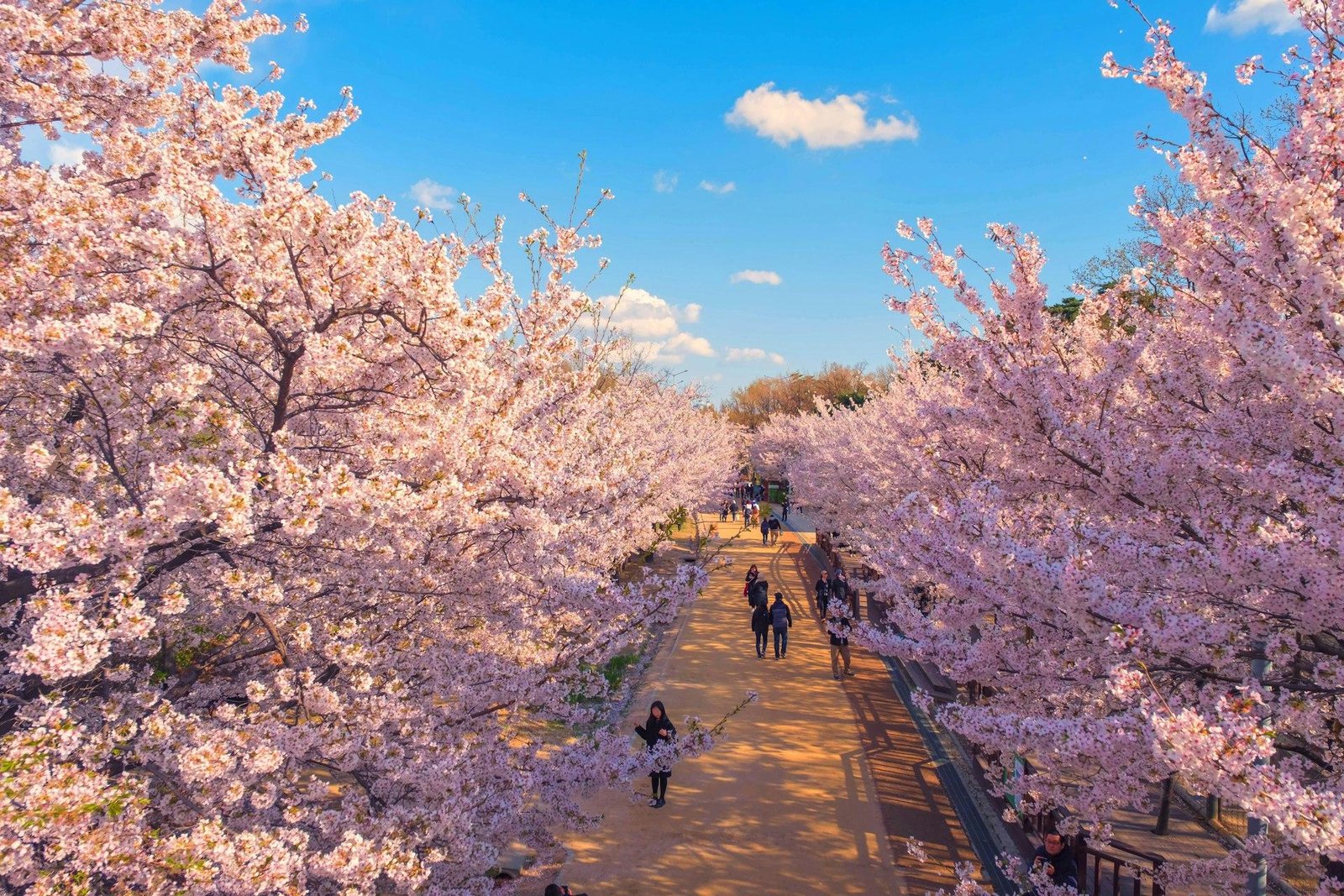
Spring and autumn often provide comfortable sightseeing weather, but cherry blossoms and foliage depend on the year. Summers can be hot and humid, with heavy rain periods; winters are colder, especially in Seoul. Check seasonal forecasts and holiday calendars. Pack shoes for extensive walking, learn a few polite Korean phrases and confirm the latest entry requirements for your nationality.
Make the route your own
Families may want fewer hotel changes and more hands-on attractions. Food-focused travellers can add markets and cooking experiences. History enthusiasts should give Gyeongju an additional night, while beach lovers may prefer longer in Busan. A thoughtful itinerary is not about seeing everything; it is about choosing a pace that lets each destination feel memorable.
Budgeting and booking thoughtfully
Accommodation costs vary by season, location and room type, so compare total prices rather than nightly headline rates. Reserve popular transport or ticketed experiences in advance when dates are fixed, but keep some flexible time for weather and personal interests. Check cancellation policies, accessibility and whether guided experiences include admissions. A well-planned trip should feel manageable, not over-scheduled.
Responsible travel habits
Respect residents, religious sites and protected natural areas. Follow photography restrictions, dispose of litter properly and support local businesses when possible. Public transport can reduce the need for short car journeys in major cities. Research current opening hours from official sources before departure, as schedules, ticket rules and access conditions can change.
Before you leave
Confirm passport validity, entry conditions and travel insurance coverage for your circumstances. Keep digital and offline copies of important reservations, plus emergency contacts. Use local weather forecasts to adjust clothing and activities. If you have mobility, dietary or medical needs, communicate them early to hotels and activity providers rather than relying on assumptions.
Plan your South Korea journey with GlobalLink Suisse
Whether you are arranging a first visit, a family holiday or a specialist cultural escape, the right itinerary balances the experiences you value with realistic travel time. GlobalLink Suisse can help you think through route choices, accommodation preferences and a comfortable daily pace. Start with your travel dates, interests and preferred style of journey, then refine the details around them.