
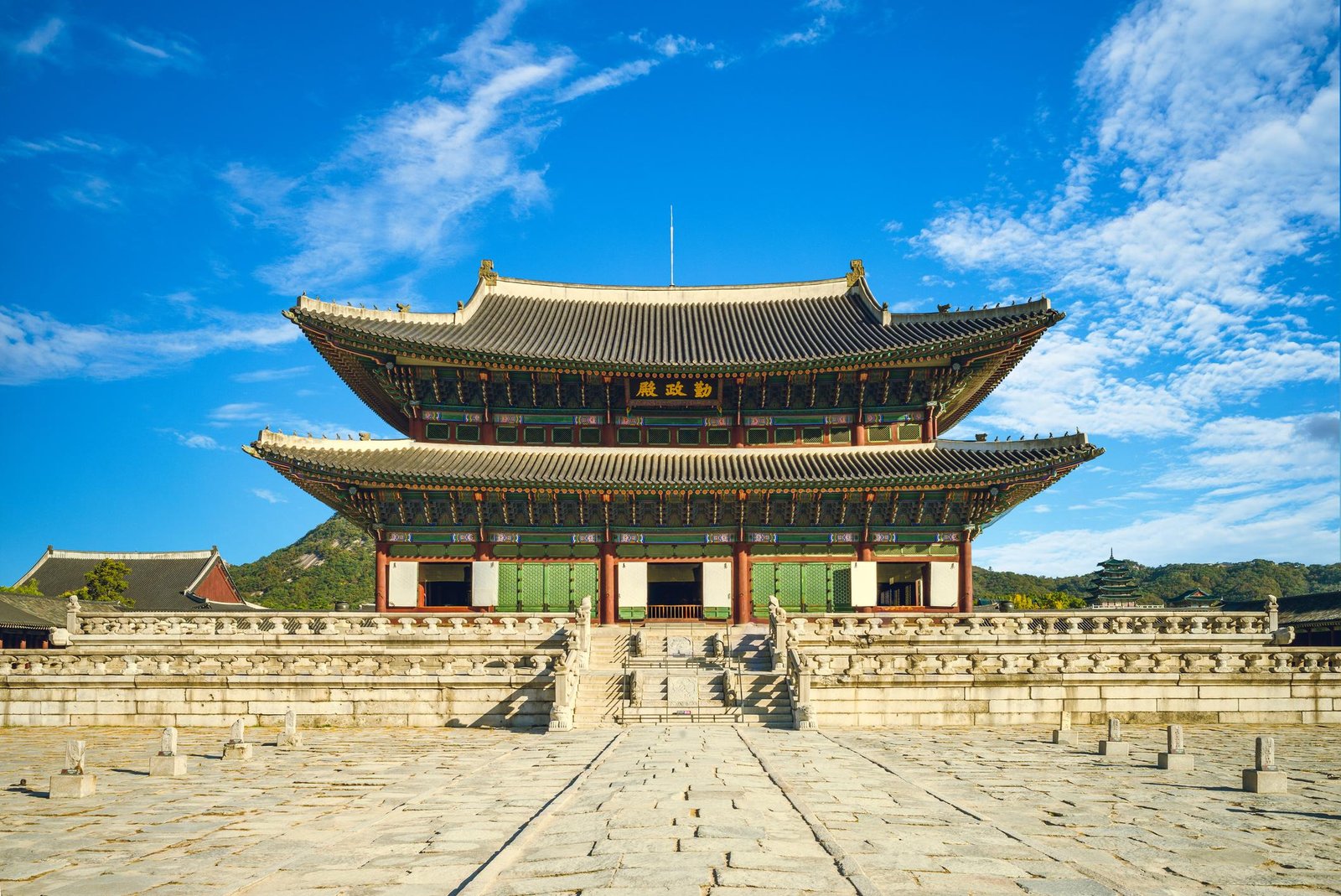
South Korea Cultural Travel Guide is an opportunity to explore South Korea through experiences that suit your pace and interests. This guide brings together practical planning advice and distinctive places, with an emphasis on thoughtful travel rather than a rushed checklist. Use the suggestions as a flexible framework and confirm current transport, opening and booking details before departure.
A journey through Korean heritage
South Korea’s cultural landscapes connect royal architecture, Buddhist traditions, craft communities and centuries of local history. A rewarding cultural itinerary does more than photograph beautiful buildings: it asks who used them, how they changed and how people protect them today. Seoul is a natural starting point, but regional destinations add valuable perspective.
Seoul’s royal palaces
Gyeongbokgung and Changdeokgung introduce different aspects of Joseon-era royal life. Palace grounds are best explored slowly, with time to notice courtyards, gates and the relationship between buildings and surrounding landscapes. Guided interpretation can clarify court rituals and architecture. Check current opening days and ticket rules, and respect restricted areas.
Bukchon and other hanok neighbourhoods
Traditional hanok houses are part of Korea’s architectural heritage, but not every historic-looking street is an open-air museum. Bukchon remains residential, with visitor restrictions intended to protect local life. Keep voices low, avoid blocking doorways and follow posted visiting hours. Consider cultural centres or designated workshops for deeper learning without disturbing residents.
Gyeongju and the Silla legacy
Gyeongju’s burial mounds, observatory, temple sites and palace landscapes make it one of the country’s most compelling historical destinations. Daereungwon and nearby heritage areas are accessible introductions to the Silla kingdom. Bulguksa and Seokguram provide a different perspective through Buddhist art and architecture. A two-night stay allows more than a rushed day trip.
Andong and living traditions
Andong’s Hahoe Folk Village is known for its preserved settlement pattern and traditional houses. It is also a place with community life and cultural meaning, not merely a photo backdrop. Look for official interpretation and seasonal cultural programming, and be mindful of private property. Travellers interested in regional food and crafts may find this a valuable addition to a longer itinerary.
Temples, rituals and respectful visits
Buddhist temples offer architectural beauty and insight into religious practice. Dress appropriately, follow photography guidance and avoid interrupting worshippers. Some temple-stay programmes provide structured introductions to meditation and daily life, but participation requirements vary. Approach these experiences with curiosity and respect, not expectations of entertainment.
Scenery as part of cultural history
Korean heritage is closely tied to its landscapes: mountain settings, rivers and coastal routes shaped settlements and travel. A scenic train journey or countryside walk can provide context for the historical places you visit. Plan around weather, transport connections and accessibility, especially when moving beyond large cities.
Build a meaningful cultural itinerary
For a week, focus on Seoul and Gyeongju with time for a museum, palace and guided neighbourhood walk. With ten to fourteen days, consider Andong or Busan and a regional scenic excursion. Choose fewer places and spend more time listening to local stories. That approach makes cultural travel richer, more respectful and easier to remember.
Budgeting and booking thoughtfully
Accommodation costs vary by season, location and room type, so compare total prices rather than nightly headline rates. Reserve popular transport or ticketed experiences in advance when dates are fixed, but keep some flexible time for weather and personal interests. Check cancellation policies, accessibility and whether guided experiences include admissions. A well-planned trip should feel manageable, not over-scheduled.
Responsible travel habits
Respect residents, religious sites and protected natural areas. Follow photography restrictions, dispose of litter properly and support local businesses when possible. Public transport can reduce the need for short car journeys in major cities. Research current opening hours from official sources before departure, as schedules, ticket rules and access conditions can change.
Before you leave
Confirm passport validity, entry conditions and travel insurance coverage for your circumstances. Keep digital and offline copies of important reservations, plus emergency contacts. Use local weather forecasts to adjust clothing and activities. If you have mobility, dietary or medical needs, communicate them early to hotels and activity providers rather than relying on assumptions.
Plan your South Korea journey with GlobalLink Suisse
Whether you are arranging a first visit, a family holiday or a specialist cultural escape, the right itinerary balances the experiences you value with realistic travel time. GlobalLink Suisse can help you think through route choices, accommodation preferences and a comfortable daily pace. Start with your travel dates, interests and preferred style of journey, then refine the details around them.