
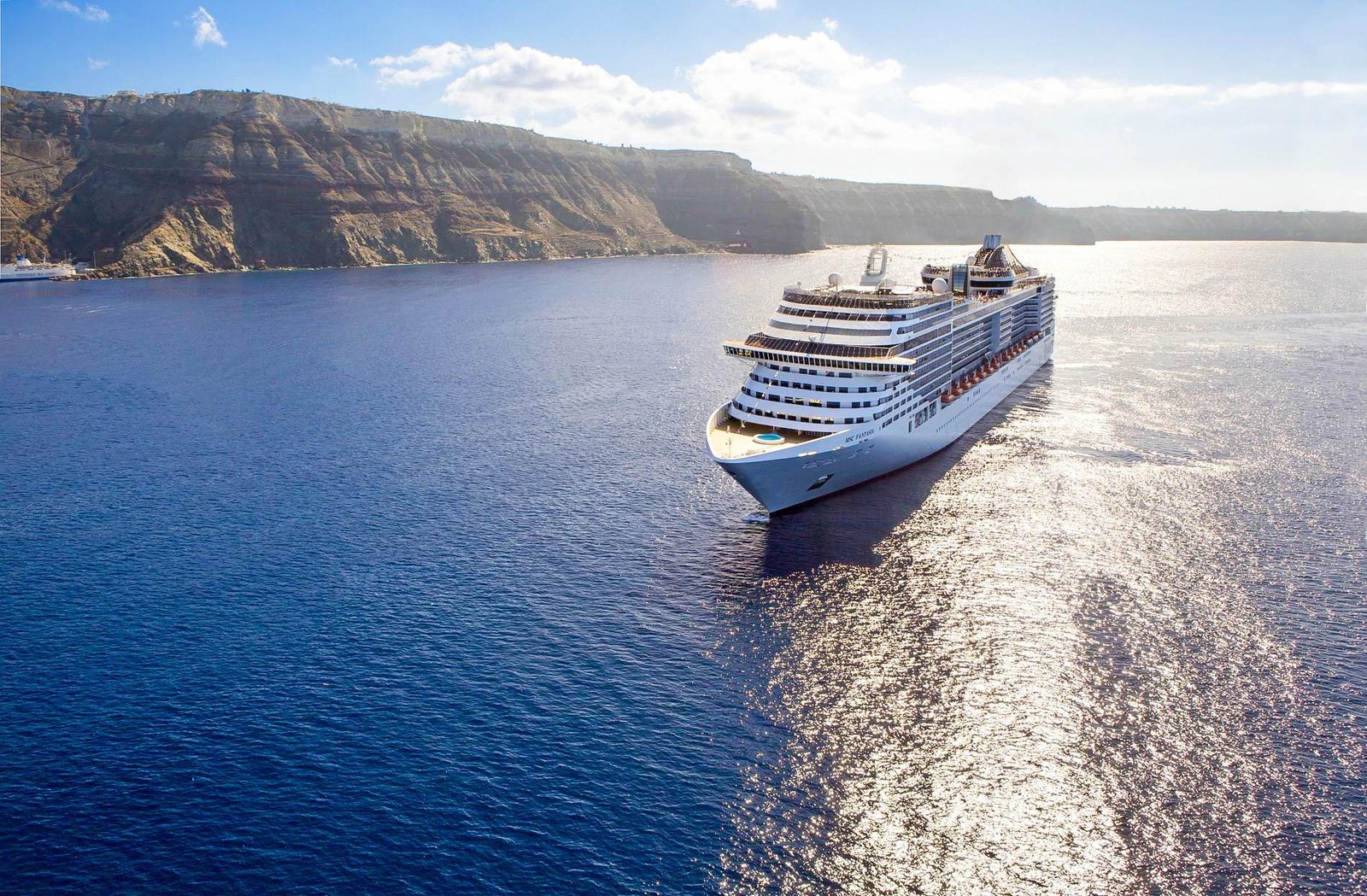
14-Night Mediterranean Cruise Guide brings together memorable places, distinctive landscapes and experiences that reward thoughtful planning. A successful trip is not about collecting the greatest number of stops: it is about choosing a route that matches your interests, budget and available time. The following guide explains what makes each stop worthwhile, how to plan transfers and where to allow flexibility for weather, crowds or changing services.
Use these ideas as an adaptable itinerary rather than a fixed promise of operating times or access. Confirm reservations, park rules, transport schedules and entry requirements through official providers before you travel. For a comfortable holiday, choose a few priorities and leave time for neighbourhood walks, local meals and spontaneous discoveries.
Why choose two weeks
Fourteen nights allow a broader Mediterranean experience and often more relaxed sea days. A practical approach is to reserve one main activity for the day, then keep the remaining hours flexible. This helps you enjoy the destination rather than spend the entire day in transit. If you have limited time, prioritise the experience that is most distinctive instead of adding another distant stop.
Still check whether the sailing includes long transfers or back-to-back intensive ports. A little preparation here makes the difference between a rushed stop and an enjoyable experience. Check official information close to departure, since schedules, availability and local rules may change after you first plan your trip.
Spanish starting points
Barcelona and other Spanish ports can offer architecture, food and waterfront exploration. Think carefully about where to stay. A hotel that is slightly more expensive but near the activities you want can save valuable time and transport costs. Read recent accessibility and location information, particularly if you are travelling with children or carrying substantial luggage.
Arrive early to protect against flight disruption and enjoy a city stay. A little preparation here makes the difference between a rushed stop and an enjoyable experience. Check official information close to departure, since schedules, availability and local rules may change after you first plan your trip.
Italian cultural stops
Italy offers routes to Rome, Naples, Florence and coastal towns, depending on the ports. Travel conditions can change quickly. Mountain roads, coastal ferries, outdoor viewpoints and park facilities may be affected by weather, seasonal operations or maintenance. Keep a suitable alternative in mind and avoid booking tightly connected nonrefundable activities.
Allow for long journeys from Civitavecchia or Livorno when considering major city excursions. A little preparation here makes the difference between a rushed stop and an enjoyable experience. Check official information close to departure, since schedules, availability and local rules may change after you first plan your trip.
Greek island and mainland calls
Athens and Greek islands provide archaeological sites, villages and sea views. Consider the time required for the full experience, including ticket queues, transfers and meals. A map can make two places look close even when the practical journey is slow. Group nearby attractions together and leave time to explore the surrounding area.
Tendering and steep access can affect shore-day logistics. A little preparation here makes the difference between a rushed stop and an enjoyable experience. Check official information close to departure, since schedules, availability and local rules may change after you first plan your trip.
How to pace excursions
Alternate ambitious sightseeing with relaxed waterfront days or ship time. If you prefer deeper context, a reputable local guide can add value at historic or natural sites. Independent visits work well when transport and signage are straightforward. In either case, follow local regulations and respect residents and protected environments.
Reserve essential experiences early but keep room for weather changes. A little preparation here makes the difference between a rushed stop and an enjoyable experience. Check official information close to departure, since schedules, availability and local rules may change after you first plan your trip.
Cabin and onboard budget
Consider the comfort of your cabin for a two-week trip, plus laundry, Wi-Fi, drinks and gratuities. Your ideal pace depends on your travel style. Families may prefer fewer hotel changes, couples may enjoy slower evenings and photography enthusiasts may want extra time at scenic viewpoints. Adjust the suggested route to your interests instead of copying it exactly.
Compare total costs rather than the headline fare. A little preparation here makes the difference between a rushed stop and an enjoyable experience. Check official information close to departure, since schedules, availability and local rules may change after you first plan your trip.
Travel preparation
Check the complete port list, travel documents, insurance and operator conditions. Before committing to a booking, review the total cost and cancellation terms. Admission tickets, transfers, baggage, parking and optional activities can change the budget significantly. Booking essential experiences early is useful, but not every hour needs to be reserved.
Allow at least a day of buffer before embarking after long-haul travel. A little preparation here makes the difference between a rushed stop and an enjoyable experience. Check official information close to departure, since schedules, availability and local rules may change after you first plan your trip.
Final planning checklist
Before departure, confirm the actual route, accommodation addresses, transport connections, travel documents and any prebooked admission times. Review the weather forecast and pack for the activities you have chosen. Leave enough buffer before important flights, trains or cruise departures. A well-paced itinerary with realistic travel times will usually deliver more lasting memories than an overcrowded schedule.