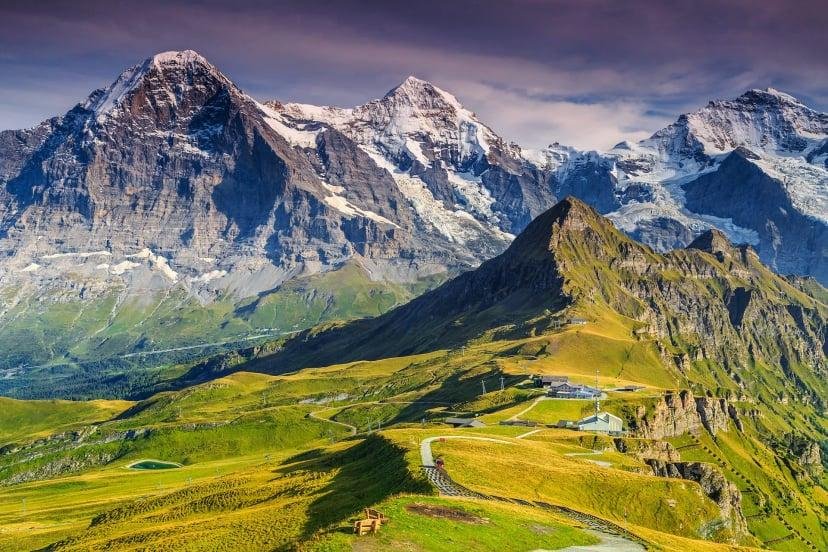
Central Europe is one of the most fascinating regions to explore, offering an extraordinary combination of historic cities, spectacular Alpine landscapes, beautiful lakes, magnificent architecture and rich cultural traditions.
A journey through Germany, Switzerland, Austria and northern Italy allows travellers to discover four distinctive European countries within one unforgettable holiday. From the historic streets of Munich and the breathtaking Swiss Alps to Austria’s imperial cities and Italy’s romantic canals, every destination offers memorable experiences.
These countries are connected by excellent railway networks and scenic mountain roads, making multi-country travel both convenient and enjoyable.
Whether you are planning a family holiday, romantic getaway, cultural adventure or luxury European escape, this Central Europe travel guide explores the best destinations, attractions and itineraries to discover with GlobalLink Suisse.
Why Visit Germany, Switzerland, Austria and Italy?
Combining these four countries provides an excellent introduction to Europe’s cultural and geographical diversity.
Germany is celebrated for its historic cities, medieval castles, beautiful countryside and traditional Bavarian culture.
Switzerland offers magnificent mountains, turquoise lakes, scenic railway journeys and charming Alpine villages.
Austria is famous for imperial architecture, classical music, picturesque towns and spectacular mountain scenery.
Northern Italy completes the journey with romantic lakes, Renaissance architecture, historic cities and internationally celebrated cuisine.
Travellers can experience different languages, traditions and landscapes while enjoying comfortable connections between major destinations.
Best Places to Visit in Germany
1. Munich: Bavarian Culture and Historic Architecture
Munich is one of Germany’s most attractive travel destinations and an excellent starting point for a Central European holiday.
The Bavarian capital combines historic architecture, traditional culture, beautiful parks and impressive museums.
Visitors can explore Marienplatz, the city’s famous central square, and admire the magnificent New Town Hall.
The Frauenkirche, Munich Residenz and English Garden provide additional sightseeing opportunities.
Munich is also celebrated for its traditional Bavarian cuisine, lively markets and cultural festivals.
Its location makes it particularly convenient for travelling towards Austria and the Alps.
2. Neuschwanstein Castle: A Fairytale Experience
Neuschwanstein Castle is one of Germany’s most recognisable landmarks.
Located near Füssen in Bavaria, the castle stands dramatically above forested hills and beautiful mountain scenery.
Commissioned by King Ludwig II during the nineteenth century, its romantic architecture attracts visitors from around the world.
Travellers can explore the castle through guided visits and enjoy spectacular views from designated viewpoints.
Neuschwanstein is a popular excursion from Munich, although advance ticket reservations are recommended.
3. Nuremberg: Medieval Heritage and German History
Nuremberg is a historic Bavarian city known for its medieval architecture and cultural heritage.
Visitors can explore the Imperial Castle, historic Old Town and traditional market squares.
The city also has significant twentieth-century history, explored through museums and memorial sites.
Nuremberg is particularly attractive for travellers interested in German history and architecture.
During the festive season, its famous Christmas market adds another memorable experience.
Best Places to Visit in Switzerland
1. Zurich: Switzerland’s Cultural Gateway
Zurich combines elegant urban experiences with beautiful lakeside scenery.
Located beside Lake Zurich, the city offers historic neighbourhoods, museums, restaurants and luxury shopping.
Visitors can explore the Old Town, admire the Grossmünster and enjoy waterfront walks.
Bahnhofstrasse is internationally recognised for its designer boutiques and premium shopping.
Zurich also provides excellent railway connections to Lucerne, Interlaken and neighbouring European countries.
2. Lucerne: Lakes, Mountains and Swiss Charm
Lucerne is one of Switzerland’s most picturesque destinations.
Located beside Lake Lucerne and surrounded by impressive mountains, the city offers beautiful natural scenery and historic attractions.
Visitors can explore Chapel Bridge, the Old Town and the lakeside promenade.
Excursions to Mount Pilatus or Mount Rigi provide spectacular panoramic views.
A scenic boat cruise on Lake Lucerne is another memorable experience.
3. Interlaken: Gateway to the Swiss Alps
Interlaken is located between Lake Thun and Lake Brienz in Switzerland’s Bernese Oberland region.
The town provides access to some of the country’s most spectacular mountain destinations.
Visitors can explore Lauterbrunnen, famous for its waterfalls and dramatic valley, or Grindelwald, surrounded by magnificent Alpine peaks.
The Jungfrau Region offers scenic railway journeys, hiking opportunities and unforgettable mountain viewpoints.
Interlaken is particularly attractive for nature lovers, photographers and adventure enthusiasts.
4. Zermatt: The Magnificent Matterhorn
Zermatt is internationally famous for its spectacular views of the Matterhorn.
The charming Alpine village offers scenic mountain railways, hiking trails and beautiful mountain landscapes.
Visitors can experience the Gornergrat Railway and admire surrounding glaciers and peaks.
Zermatt is largely car-free, providing a peaceful atmosphere.
It is an excellent addition for travellers planning a longer Swiss holiday.
Best Places to Visit in Austria
1. Salzburg: Music, History and Alpine Beauty
Salzburg is one of Austria’s most beautiful historic cities.
Famous as the birthplace of Wolfgang Amadeus Mozart, Salzburg offers a remarkable combination of musical heritage, Baroque architecture and mountain scenery.
Visitors can explore the historic Old Town, admire Salzburg Cathedral and visit Hohensalzburg Fortress.
Mirabell Gardens is another popular attraction, offering beautiful landscaped surroundings.
Salzburg is particularly attractive for travellers interested in music, architecture and European culture.
2. Vienna: Imperial Elegance and Classical Music
Vienna, Austria’s capital, is internationally recognised for its magnificent palaces, museums and classical music traditions.
Visitors can explore Schönbrunn Palace, admire St Stephen’s Cathedral and discover the historic city centre.
The Hofburg Palace complex provides insights into Austria’s imperial heritage.
Vienna is also famous for its traditional coffeehouses and elegant culinary culture.
Classical music performances offer memorable evening experiences.
3. Hallstatt: A Beautiful Alpine Lakeside Village
Hallstatt is one of Austria’s most photographed destinations.
Located beside Hallstätter See and surrounded by mountains, the village features charming historic buildings and spectacular lakeside scenery.
Visitors can explore the waterfront, admire traditional architecture and enjoy beautiful mountain views.
Hallstatt is particularly attractive for couples and photography enthusiasts.
Because the village is small and popular, visitors should plan transportation and sightseeing carefully.
4. Innsbruck: Mountain Adventures and Tyrolean Culture
Innsbruck is surrounded by the magnificent Austrian Alps.
The city combines historic architecture with outdoor adventure opportunities.
Visitors can explore the Golden Roof, walk through the Old Town and enjoy mountain excursions.
The Nordkette cable car system provides access to spectacular elevated viewpoints.
Innsbruck is a convenient destination for travellers continuing south towards Italy.
Best Places to Visit in Italy
1. Venice: Romantic Canals and Historic Landmarks
Venice is one of Europe’s most distinctive cities.
Built around a network of canals, Venice is famous for its historic palaces, beautiful bridges and romantic atmosphere.
Visitors can explore St Mark’s Square, admire St Mark’s Basilica and visit the Doge’s Palace.
A gondola ride offers a traditional way to experience the city’s waterways.
Venice is an excellent destination for couples, families and cultural travellers.
2. Milan: Fashion and Italian Architecture
Milan is internationally recognised for fashion, design and sophisticated urban culture.
The city’s most famous landmark is the magnificent Milan Cathedral, commonly known as the Duomo.
Visitors can explore the Galleria Vittorio Emanuele II, enjoy Italian cuisine and discover historic museums.
Milan also provides convenient connections to Switzerland and Lake Como.
3. Lake Como: Romantic Lakeside Experiences
Lake Como is one of Italy’s most beautiful natural destinations.
Surrounded by mountains and charming villages, the lake offers spectacular scenery and a relaxed atmosphere.
Visitors can explore Bellagio, Varenna and Como.
Boat excursions provide opportunities to admire elegant villas, waterfront gardens and picturesque mountain landscapes.
Lake Como is particularly attractive for honeymooners and luxury travellers.
4. Verona: Romance and Historic Architecture
Verona is a beautiful northern Italian city known for its Roman heritage and romantic atmosphere.
Visitors can admire the Verona Arena, explore historic squares and discover charming streets.
The city is also associated with Shakespeare’s Romeo and Juliet.
Verona is conveniently located between Milan and Venice, making it an attractive stop on a northern Italy itinerary.
Best Experiences on a Central Europe Holiday
Enjoy Scenic Alpine Train Journeys
Rail travel is one of the most memorable ways to explore Central Europe.
Switzerland offers famous scenic journeys such as the Glacier Express and Bernina Express.
Travellers can admire mountain landscapes, valleys, lakes and picturesque villages.
Austria also offers beautiful rail routes through Alpine regions.
Advance reservations may be necessary for selected scenic trains.
Discover European Castles and Palaces
Central Europe is home to remarkable architectural heritage.
Visitors can explore Neuschwanstein Castle in Germany, Schönbrunn Palace in Austria and historic landmarks throughout Switzerland and Italy.
These attractions provide fascinating insights into European history and royal traditions.
Experience Traditional European Cuisine
Each country offers distinctive culinary traditions.
Germany is known for Bavarian specialities, pretzels and regional dishes.
Switzerland is celebrated for cheese fondue, raclette and chocolate.
Austria offers Wiener schnitzel, apple strudel and traditional coffeehouse experiences.
Italy is famous for pasta, pizza, risotto and regional desserts.
Exploring local cuisine is an essential part of a Central European holiday.
Discover Alpine Lakes and Mountain Villages
The Alps stretch across several countries in this itinerary.
Travellers can enjoy spectacular scenery around Lake Lucerne, Lake Como, Hallstatt and the Austrian Tyrol.
Activities include boat cruises, scenic drives, mountain cable cars and lakeside walks.
These destinations offer a refreshing contrast to Europe’s busy historic cities.
Best Time to Visit Central Europe
Spring: March to May
Spring offers beautiful gardens, flowering landscapes and generally pleasant conditions for city sightseeing.
Higher Alpine destinations may still experience snow.
Summer: June to August
Summer is excellent for mountain excursions, lake cruises, hiking and outdoor sightseeing.
Longer daylight hours provide additional opportunities to explore.
However, popular destinations can become crowded during peak holiday periods.
Autumn: September to November
Early autumn offers comfortable sightseeing conditions and beautiful seasonal landscapes.
September and October are particularly attractive for combining historic cities with Alpine scenery.
Winter: December to February
Winter provides opportunities for skiing, festive markets and snow-covered mountain experiences.
Germany, Switzerland and Austria are particularly popular for Christmas markets and winter holidays.
Some Alpine roads and seasonal attractions may have restricted access.
Suggested 14-Day Central Europe Itinerary
Day 1–2: Munich, Germany
Arrive in Munich and explore Marienplatz, the historic Old Town and major cultural attractions.
Consider an excursion to Neuschwanstein Castle.
Day 3–4: Salzburg, Austria
Travel to Salzburg and explore its beautiful historic centre.
Visit Hohensalzburg Fortress, Mirabell Gardens and Mozart-related attractions.
Day 5: Innsbruck, Austria
Travel towards Innsbruck.
Explore the Old Town and enjoy panoramic mountain views.
Day 6–7: Zurich and Lucerne, Switzerland
Continue to Switzerland.
Discover Zurich’s historic centre before travelling to Lucerne for lakeside sightseeing.
Day 8–9: Interlaken and the Jungfrau Region
Travel to Interlaken.
Explore Lauterbrunnen or Grindelwald and enjoy a scenic Alpine excursion.
Day 10: Travel to Milan, Italy
Travel from Switzerland to Milan using suitable railway connections.
Explore Milan Cathedral and the historic city centre.
Day 11: Lake Como
Enjoy an excursion to Lake Como.
Discover picturesque lakeside villages and beautiful mountain scenery.
Day 12–13: Venice
Travel to Venice and explore its canals, historic landmarks and charming neighbourhoods.
Enjoy a gondola experience or a scenic walk through the city.
Day 14: Departure
Transfer to your departure airport for your onward journey.
This itinerary can be extended to include Vienna, Hallstatt, Zermatt or additional Italian destinations.
How to Travel Between Germany, Switzerland, Austria and Italy
Central Europe has an extensive railway network connecting major cities and tourist destinations.
International train services provide convenient travel between Germany, Austria, Switzerland and northern Italy.
Munich and Salzburg are connected by frequent trains, while Innsbruck offers routes towards Switzerland and Italy.
Zurich and Milan also have direct rail connections.
Travellers can use rental vehicles for selected scenic routes, although parking restrictions and mountain driving conditions require careful planning.
For most multi-country itineraries, combining rail travel with local excursions offers a comfortable and practical experience.
Practical Tips for Planning a Central Europe Holiday
-
Allow at least 12 to 14 days for a comfortable four-country itinerary.
-
Book international train tickets and accommodation early.
-
Choose centrally located hotels near major railway stations.
-
Check passport, visa and entry requirements before travelling.
-
Carry layered clothing for changing mountain temperatures.
-
Reserve popular castles, museums and mountain excursions in advance.
-
Allow sufficient time for railway transfers and sightseeing.
-
Consider travel insurance covering all destinations and planned activities.
Frequently Asked Questions About Central Europe Travel
1. Can you visit Germany, Switzerland, Austria and Italy in one trip?
Yes. These four countries have excellent transportation connections and can be combined into a single European holiday.
2. How many days are enough for Central Europe?
Twelve to fourteen days provide a good introduction, while three weeks allow more relaxed sightseeing and additional destinations.
3. What is the best route for visiting these countries?
A practical itinerary begins in Munich, continues through Austria and Switzerland, and finishes in northern Italy. The ideal route depends on your arrival and departure airports.
4. Is train travel convenient between the four countries?
Yes. Major cities are connected by international and domestic rail services, although some routes require transfers.
5. What is the best time to visit Central Europe?
May to June and September to October are particularly attractive for sightseeing, while summer is excellent for Alpine adventures and winter is popular for skiing and festive experiences.
6. Do travellers need separate visas for each country?
Germany, Switzerland, Austria and Italy are all part of the Schengen Area. Depending on nationality and immigration status, travellers may need a Schengen visa, which generally permits travel across participating countries subject to applicable conditions.
Plan Your Central Europe Holiday with GlobalLink Suisse
Germany, Switzerland, Austria and Italy offer an unforgettable combination of historic cities, magnificent castles, spectacular Alpine landscapes, romantic lakes and extraordinary cultural experiences.
Whether you dream of exploring Munich’s Bavarian heritage, discovering Salzburg’s musical traditions, admiring Switzerland’s breathtaking mountains or enjoying the romantic canals of Venice, Central Europe provides remarkable experiences for every traveller.
GlobalLink Suisse helps international travellers discover Europe through personalised travel planning and carefully selected destinations and experiences.
Let us help you plan a memorable Central Europe holiday tailored to your interests, preferred accommodation, travel schedule and expectations.