
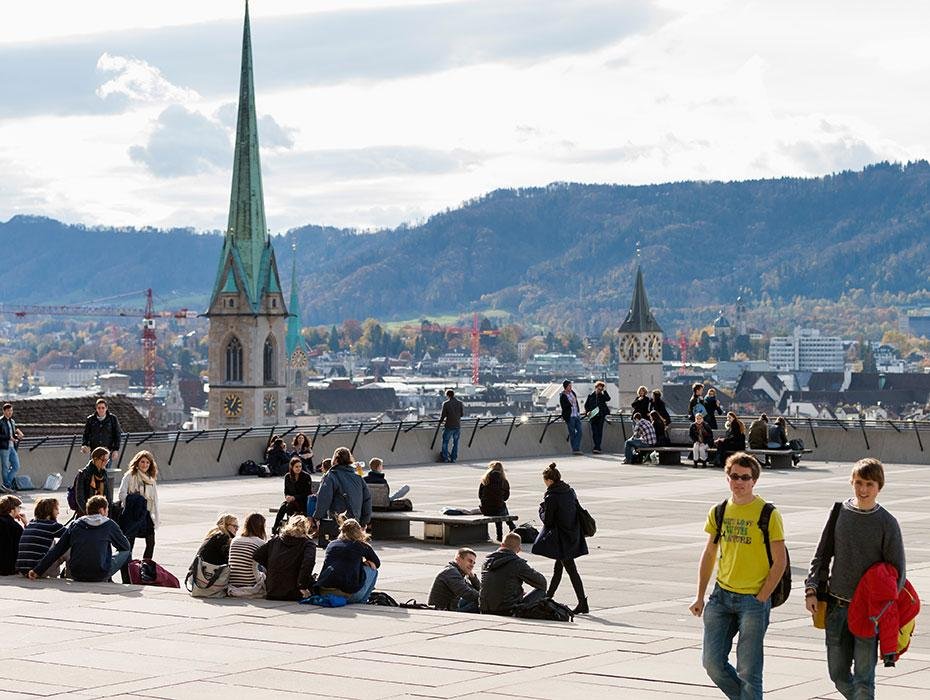
Choosing a city is an important part of planning to study in Switzerland. Alongside selecting a university and programme, international students need to consider accommodation, living costs, language, transport, student activities and the kind of environment in which they want to live.
Switzerland has several university cities, each with its own character. Zurich is a major financial and technology centre with a large higher education community. Geneva has a strong international presence, while Lausanne is known for its universities and active student environment. Basel has a long-standing connection to life sciences and culture, and cities such as Bern, Lucerne, St. Gallen and Fribourg offer other academic and lifestyle options.
There is no single city that suits every student. The best choice depends on the subject you want to study, the language you are comfortable using, your financial resources and your personal preferences.
This guide explores some of the main Swiss cities for international students and highlights what to consider when deciding where to study.
1. Zurich: A Major Centre for Education, Technology and Business
<text>Zurich is Switzerland’s largest city and an important centre for finance, technology, research and culture. It is home to major higher education institutions and offers an urban environment with a wide range of academic, cultural and recreational activities.</text>
<text>Main higher education institutions:</text>
- ETH Zurich
- University of Zurich (UZH)
- Zurich University of Applied Sciences (ZHAW), with campuses in the wider region, including Winterthur
Why consider studying in Zurich?
Zurich offers a broad academic environment, with programmes and research activity across engineering, computer science, natural sciences, medicine, economics, law, social sciences and other fields.
ETH Zurich is particularly associated with science, technology, engineering and mathematics, while the University of Zurich offers a broad range of academic disciplines. Students should compare the specific programmes and entry requirements at each institution.
The city also has a strong business and technology presence. This can provide exposure to professional events, research networks and a range of organisations, although internships and employment opportunities are not guaranteed and depend on individual eligibility and circumstances.
Student life in Zurich
Zurich combines city life with access to Lake Zurich, parks, museums, galleries and cultural events. Students can explore cafés, sports facilities, music venues and student associations alongside their academic commitments.
German is the main language of the region. Swiss German is widely spoken in everyday conversation, while Standard German is used in formal writing and many educational settings. Some programmes are taught in English, particularly at postgraduate level, but language requirements vary.
Cost of living in Zurich
Zurich is generally among Switzerland’s more expensive student cities, particularly in terms of accommodation. Students should research room availability early and compare the full cost of living in different neighbourhoods and nearby towns.
A broad planning estimate for monthly student expenses is approximately CHF 2,000–2,500, though actual costs can be higher or lower depending on accommodation, insurance, transport and lifestyle.
Zurich may suit students who:
- Want to study engineering, technology, science, economics or other subjects offered by its institutions.
- Prefer a larger, internationally connected city.
- Value access to cultural activities and a broad urban environment.
- Have a budget that can accommodate relatively high living costs.
2. Geneva: An International and Multicultural Study Environment
Geneva is located in the French-speaking region of Switzerland and is known for its international organisations, diplomacy, finance and multicultural population. It offers an academic environment for students interested in international affairs, law, social sciences, science and other fields.
Main higher education institutions:
- University of Geneva (UNIGE)
- Geneva Graduate Institute (Graduate Institute of International and Development Studies)
- Geneva School of Business Administration (HEG Geneva)
Why consider studying in Geneva?
Geneva’s international environment is one of its distinctive features. The city hosts many international organisations, non-governmental organisations and institutions involved in diplomacy, humanitarian work, global health and international cooperation.
The University of Geneva offers programmes across a range of academic disciplines, while the Graduate Institute focuses on international and development studies. Students interested in global governance, international relations, law and related areas may wish to explore the programmes offered by these institutions.
Geneva’s international profile can also expose students to public events, conferences and professional discussions. However, access to internships or employment depends on programme requirements, selection processes, language skills and work authorisation.
Student life in Geneva
Geneva has a multicultural environment, with residents and students from many countries. Students can explore the city’s museums, historic areas, parks and lakeside spaces, as well as cultural events and student activities.
French is the main local language. English is also used in many international and academic settings, but students should check the language of instruction for their chosen programme. Learning French can be useful for daily life, social integration and participating in the wider community.
Cost of living in Geneva
Geneva is a relatively expensive city, and accommodation can be a significant part of a student’s budget. Students should investigate university housing information, student residences and shared accommodation options well before arrival.
A broad monthly planning estimate is approximately CHF 1,800–2,500, depending on housing, insurance, transport and personal spending. Students should use the current budget guidance provided by their university.
Geneva may suit students who:
- Are interested in international relations, diplomacy, development studies, law or related fields.
- Prefer a French-speaking environment.
- Value a multicultural and internationally connected city.
- Are prepared to plan carefully for accommodation and living expenses.
3. Lausanne: A University City with an Active Student Environment
Lausanne is a French-speaking city on the northern shore of Lake Geneva. It is an important higher education centre, with universities and research institutions that attract students from Switzerland and abroad.
Main higher education institutions:
- École polytechnique fédérale de Lausanne (EPFL)
- University of Lausanne (UNIL)
- EHL Hospitality Business School
Why consider studying in Lausanne?
Lausanne offers a range of academic pathways, including engineering, computer science, life sciences, social sciences, business-related subjects and hospitality education.
EPFL is a major institution for science and technology, while the University of Lausanne offers programmes in several academic disciplines. EHL is known for hospitality management education. Applicants should review the individual course structures, teaching languages and admission criteria before selecting a programme.
The concentration of higher education institutions contributes to Lausanne’s student-oriented atmosphere. Academic events, campus activities and student associations can provide opportunities to meet people and become involved in university life.
Student life in Lausanne
Lausanne combines a university environment with cultural venues, sports facilities, cafés and access to Lake Geneva. The city’s setting provides opportunities for outdoor activities, while its public transport network connects different parts of the urban area.
French is the main local language. Some programmes are available in English, but this depends on the institution and level of study. Students should check language requirements carefully, particularly for bachelor’s programmes.
Cost of living in Lausanne
Lausanne can be expensive, although costs vary according to accommodation and lifestyle. Students should consider housing options near campus and compare transport costs when looking outside the city centre.
An indicative monthly student budget may be around CHF 1,700–2,400. This is a planning range, not a fixed cost, and students should refer to their institution’s latest estimate.
Lausanne may suit students who:
- Are interested in engineering, science, technology, hospitality or other programmes available in the city.
- Want to live in a university-oriented environment.
- Prefer a French-speaking region.
- Enjoy access to lakeside activities, sports and cultural events.
4. Basel: A City for Life Sciences, Research and Culture
Basel is located in north-western Switzerland, close to the borders with France and Germany. It is known for its pharmaceutical and life sciences industries, museums, arts and international character.
Main higher education institutions:
- University of Basel
- University of Applied Sciences and Arts Northwestern Switzerland (FHNW), with campuses across the region
Why consider studying in Basel?
Basel has a long-standing academic and research environment. The University of Basel offers programmes in areas including life sciences, medicine, humanities, social sciences, law and business-related disciplines.
The city is also associated with pharmaceutical and biotechnology activity. This can make Basel a relevant location for students exploring life sciences, chemistry, biotechnology and related fields. Nevertheless, professional opportunities depend on qualifications, experience, recruitment requirements and work authorisation.
FHNW provides applied higher education across several disciplines and locations in north-western Switzerland. Students interested in professionally oriented programmes can review its course options and campus locations.
Student life in Basel
Basel offers a mix of historic architecture, museums, galleries, cultural events and riverside spaces. Its location near France and Germany also gives students the opportunity to experience a cross-border region, subject to relevant travel requirements.
German is the main language used locally. Students may encounter Swiss German in daily conversation and Standard German in formal and educational contexts. Programme language requirements differ by institution and course.
Cost of living in Basel
Basel’s costs depend on accommodation, transport and personal lifestyle. Students should compare housing options and confirm whether their preferred accommodation is conveniently located for their campus.
A broad monthly planning estimate is approximately CHF 1,500–2,200, although individual expenses can vary.
Basel may suit students who:
- Are interested in life sciences, biotechnology, medicine, research or other available disciplines.
- Prefer a city with museums and a strong cultural environment.
- Want to explore a region close to neighbouring countries.
- Are looking for a university city outside Switzerland’s largest urban centre.
5. Bern: A Capital City with an Academic and Historic Setting
Bern is Switzerland’s federal city and offers a combination of higher education, public institutions, historic architecture and access to outdoor recreation.
Main higher education institutions:
- University of Bern
- Bern University of Applied Sciences (BFH)
Why consider studying in Bern?
The University of Bern offers programmes in a wide range of disciplines, including humanities, social sciences, law, economics, natural sciences and medicine. BFH provides applied higher education across several subject areas and locations.
Bern’s role as the federal city also means students live in a place connected to national public administration and institutions. This may be of interest to students exploring political science, public administration, law and related fields, depending on the programmes available.
Student life in Bern
Bern has a historic old town, museums, cultural venues, cafés and green spaces. The city offers an urban environment while maintaining a different pace from larger centres such as Zurich or Geneva.
German is the main language of the region. Students should check whether their chosen programme is taught in German, English or another language and make sure they meet any required language proficiency standards.
Cost of living in Bern
Bern may offer a different cost profile from Zurich and Geneva, but accommodation and other living expenses still require careful planning. Students should compare actual rental listings and the university’s published cost guidance.
A broad monthly student budget estimate is approximately CHF 1,500–2,100, depending on individual circumstances.
Bern may suit students who:
- Want to study in a city with a broad university offering.
- Are interested in public institutions, law, social sciences or other available fields.
- Prefer a historic city with cultural and outdoor activities.
- Want to compare living costs beyond Switzerland’s largest cities.
6. Lucerne: A Smaller City with Access to Lakes and Mountains
Lucerne is located in central Switzerland and is known for its lake, surrounding mountains and historic city centre. It offers higher education options in a relatively compact urban environment.
Main higher education institutions:
- University of Lucerne
- Lucerne University of Applied Sciences and Arts (HSLU)
Why consider studying in Lucerne?
The University of Lucerne offers programmes in fields including law, humanities and social sciences, economics and theology. HSLU provides applied higher education across disciplines such as business, engineering, social work, art and design, music and health.
Students should explore the specific campus and programme locations because some courses may be delivered outside central Lucerne.
Student life in Lucerne
Lucerne offers access to museums, cultural activities, cafés, lakeside areas and nearby mountain destinations. Its compact setting may appeal to students who prefer a smaller city while still having access to educational and recreational facilities.
German is the main language used in the region. Programme language requirements vary, so students should verify the language of instruction before applying.
Cost of living in Lucerne
Living costs depend on accommodation, campus location, transport and lifestyle. Students should research available student housing and consider how often they will need to travel to other parts of the region.
A broad monthly planning estimate is approximately CHF 1,500–2,000. This is indicative only; actual costs should be checked against current institutional guidance.
Lucerne may suit students who:
- Prefer a smaller city environment.
- Are interested in programmes offered by the University of Lucerne or HSLU.
- Enjoy access to lakes, mountains and outdoor activities.
- Want to compare options outside the largest Swiss cities.
7. St. Gallen: A University City with a Business Focus
St. Gallen is in north-eastern Switzerland and is particularly associated with business, economics and management education. It offers a smaller-city environment with a strong university presence.
Main higher education institution:
- University of St. Gallen (HSG)
Why consider studying in St. Gallen?
The University of St. Gallen offers programmes in areas such as business administration, economics, international affairs, law and computer science. Students interested in management, finance, entrepreneurship and related disciplines may wish to explore its programme offerings.
The university’s academic community and student organisations can provide opportunities for collaboration, events and networking. Students should review the specific programme structure and language requirements, as these can differ by academic level and course.
Student life in St. Gallen
St. Gallen offers a compact urban environment, historic architecture, cultural activities and access to surrounding countryside. Its smaller scale may appeal to students who prefer shorter local journeys and a university-centred setting.
German is the main language used in daily life. Some programmes and academic activities use English, but students should confirm the language requirements of their chosen course.
Cost of living in St. Gallen
The University of St. Gallen recommends that students plan for total annual costs in the region of CHF 25,000–30,000, depending on individual circumstances and tuition category. Its published student budget can provide a useful starting point for planning.
St. Gallen may suit students who:
- Are interested in business, economics, management or international affairs.
- Prefer a smaller university city.
- Want to be part of a concentrated student community.
- Are comparing costs with larger Swiss cities.
8. Fribourg: A Bilingual University City
Fribourg is a bilingual city where French and German are part of everyday life. It is home to the University of Fribourg, which offers a distinctive environment for students interested in studying in a multilingual setting.
Main higher education institution:
- University of Fribourg
Why consider studying in Fribourg?
The University of Fribourg offers programmes across several fields, including law, economics, humanities, social sciences, natural sciences and theology. Depending on the programme, courses may be available in French, German, English or more than one language.
The city’s bilingual character can be particularly interesting for students who want to develop language skills while pursuing their studies. However, applicants must check the exact language requirements for their intended programme and ensure they can meet them.
Student life in Fribourg
Fribourg has a historic centre, cultural activities, cafés and a university community. Its location between the French- and German-speaking parts of Switzerland provides exposure to different language environments.
Students should consider their language comfort, accommodation needs and campus location when planning their stay.
Cost of living in Fribourg
Fribourg may offer a more manageable budget for some students compared with higher-cost urban centres, although costs depend on accommodation and personal spending.
A broad monthly planning estimate is approximately CHF 1,300–1,800. Students should verify current expenses through university guidance and local accommodation information.
Fribourg may suit students who:
- Want to study in a bilingual environment.
- Are interested in the programmes offered by the University of Fribourg.
- Prefer a smaller city with a university community.
- Want to compare living expenses across different Swiss locations.
9. Lugano: An Italian-Speaking Study Environment
Lugano is located in the canton of Ticino in southern Switzerland. It offers an Italian-speaking environment and access to higher education through institutions in the region.
Main higher education institution:
- Università della Svizzera italiana (USI)
Why consider studying in Lugano?
USI offers programmes in fields including architecture, communication, economics, informatics, biomedical sciences and other disciplines, depending on the campus and academic level.
Lugano may appeal to students interested in studying in an Italian-speaking region while remaining within Switzerland’s higher education system. Applicants should check the programme language carefully, as teaching languages vary.
Student life in Lugano
Lugano is known for its lakeside setting, nearby mountains, cultural activities and Italian-speaking environment. Students can explore local events, outdoor spaces and the wider Ticino region.
Italian is the main local language. Students who do not already speak Italian should consider the language demands of their course and daily life, while checking whether English-language options are available.
Cost of living in Lugano
USI’s student guidance indicates that living expenses in Lugano or Mendrisio may average approximately CHF 1,300–1,900 per month, depending on accommodation and personal circumstances. Students should use current university guidance to prepare their budget.
Lugano may suit students who:
- Prefer an Italian-speaking environment.
- Are interested in programmes offered by USI.
- Enjoy lakeside and mountain surroundings.
- Want to explore study options in southern Switzerland.
10. Comparing Swiss Cities for International Students
The table below summarises some of the main differences between these cities. Monthly budget ranges are indicative planning estimates drawn from published student guidance and city comparisons; they are not guaranteed costs or official rates for every student.
| City | Main institutions | Main local language | Indicative monthly budget (CHF) | Distinctive features |
|---|---|---|---|---|
| Zurich | ETH Zurich, UZH, ZHAW | German | 2,000–2,500 | Large urban environment, research, technology and business |
| Geneva | UNIGE, Graduate Institute, HEG Geneva | French | 1,800–2,500 | International organisations and multicultural setting |
| Lausanne | EPFL, UNIL, EHL | French | 1,700–2,400 | University community, science, technology and hospitality |
| Basel | University of Basel, FHNW | German | 1,500–2,200 | Life sciences, research and culture |
| Bern | University of Bern, BFH | German | 1,500–2,100 | Federal institutions, historic centre and broad academic options |
| Lucerne | University of Lucerne, HSLU | German | 1,500–2,000 | Compact city, applied education and outdoor access |
| St. Gallen | University of St. Gallen | German | Use HSG’s current budget | Business and economics, university-centred environment |
| Fribourg | University of Fribourg | French and German | 1,300–1,800 | Bilingual setting and smaller-city environment |
| Lugano | USI | Italian | 1,300–1,900 | Italian-speaking region, lake and mountain surroundings |
Costs vary by student accommodation, insurance, transport, tuition category and lifestyle. Tuition is not included in the monthly living budget unless specifically stated by the institution.
11. How to Choose the Right Swiss City for Your Studies
The city you choose should support your academic plans and be manageable in practical terms. Before applying, consider the following factors.
Your intended field of study
Start by identifying institutions that offer the programme you want. Compare course content, qualification levels, teaching language, admission requirements and available academic support.
A city’s reputation in a particular field can help guide your research, but the actual programme is what matters most. Review the curriculum and entry criteria rather than choosing based on a city name alone.
Your budget
Estimate tuition and living expenses separately. Accommodation can have a major effect on monthly costs, so compare student residences, shared apartments and private rentals in each location.
Include insurance, transport, food, study materials and personal expenses. If your budget is limited, consider a range of cities and calculate the likely total cost for each one.
Language requirements
The language used in the city may affect daily life, while the programme’s teaching language determines the language skills needed for study.
German is used in cities such as Zurich, Bern, Basel, Lucerne and St. Gallen. French is predominant in Geneva and Lausanne. Fribourg has both French- and German-speaking communities, while Lugano is in the Italian-speaking region.
Some programmes are taught in English, but this is not universal. Always check the official language requirements of your chosen course.
City size and lifestyle
Some students prefer a large city with a broad range of cultural and professional activities. Others may prefer a smaller environment where campus, housing and daily services are relatively close together.
Think about the lifestyle you want, the activities that matter to you and how you prefer to balance study and personal time.
Accommodation and transport
Housing availability can vary significantly. Start researching accommodation as soon as you have a realistic study plan, and check whether your institution provides housing guidance.
Also consider how you will travel between your accommodation, campus, work or internship location, and other regular destinations.
Career and further-study plans
Consider how the programme aligns with your longer-term goals. Explore the academic departments, research areas, student support and career services available at the institution.
If you hope to work in Switzerland during or after your studies, check the applicable employment and immigration rules for your nationality and residence status. Studying in a particular city does not guarantee a job or work authorisation.
12. Preparing to Move to Your Chosen City
Once you have selected a programme and received the necessary admission information, begin preparing for the practical aspects of your move.
A preparation checklist may include:
- Confirming the university’s admission and enrolment requirements.
- Checking tuition fees and payment deadlines.
- Reviewing visa and residence permit requirements, where applicable.
- Arranging suitable accommodation.
- Understanding health insurance requirements.
- Preparing a realistic monthly budget.
- Checking transport options and travel arrangements.
- Reviewing the university’s orientation and student support services.
- Preparing documents required for arrival and registration.
Requirements vary by nationality, institution and canton. Students should use official university and Swiss government information for formal procedures and current rules.
13. How GlobalLink Suisse Can Support Your Student Journey
Choosing a Swiss city is not only an academic decision. It also involves understanding the destination, preparing for travel and becoming familiar with a new cultural and language environment.
GlobalLink Suisse helps prospective international students explore Switzerland and plan aspects of their travel and orientation experience. Depending on the services arranged, this may include destination familiarisation, travel coordination and student-focused orientation.
GlobalLink Suisse does not replace official university admission procedures or government visa and residence decisions. Students should confirm academic and immigration requirements directly with the relevant institutions and authorities.
If you are considering studying in Switzerland, learning about your preferred city before arrival can help you prepare for the transition and make informed plans.
Frequently Asked Questions
1. Which Swiss city is best for international students?
There is no single best city for every student. Zurich, Geneva, Lausanne, Basel, Bern, Lucerne, St. Gallen, Fribourg and Lugano offer different institutions, study fields, languages, costs and lifestyles. The suitable choice depends on your programme, budget and personal preferences.
2. Which city in Switzerland has the lowest student living costs?
Some published student budget guides show lower estimated living costs in cities such as Fribourg, Lugano and St. Gallen compared with Zurich or Geneva. Actual costs depend on accommodation, insurance, transport and lifestyle, so students should compare current local and university estimates.
3. Which Swiss city is suitable for engineering and technology studies?
Zurich and Lausanne are important locations for engineering and technology education, with ETH Zurich and EPFL respectively. Other institutions across Switzerland also offer technical and applied programmes. Students should compare course content, admission requirements and teaching language before deciding.
4. Where should I study international relations in Switzerland?
Geneva is a relevant city to explore because it is home to the University of Geneva and the Graduate Institute of International and Development Studies. Other Swiss institutions may also offer programmes in international affairs, political science and related subjects.
5. Which Swiss city is suitable for business studies?
Students interested in business, economics and management can explore institutions in St. Gallen, Zurich, Lausanne, Geneva and other cities. The right choice depends on the programme’s academic focus, entry requirements, language and total cost.
6. Can I study in Switzerland in English?
Some Swiss higher education programmes are taught in English, particularly at master’s and doctoral levels. However, many bachelor’s programmes use a national language. Students must check the language of instruction and required language certificates for each programme.
7. Is Zurich more expensive than other Swiss student cities?
Zurich is commonly identified as one of Switzerland’s higher-cost cities, particularly for accommodation. However, individual expenses vary, and students should compare actual housing options, university budget guidance and transport costs across locations.
8. Is Fribourg a good option for international students who want to learn languages?
Fribourg is a bilingual city where French and German are used. It may interest students who want exposure to both languages, but the language requirements of the chosen programme should be checked carefully.
9. Can international students work while studying in Switzerland?
Some international students may be eligible to work under specific conditions. Rules depend on nationality, residence status and applicable regulations. Students should confirm their eligibility with the relevant authorities before accepting employment.
10. How do I choose between a large city and a smaller university town?
Consider your academic programme, preferred lifestyle, accommodation options, budget, language needs and access to student services. A larger city may offer a broader urban environment, while a smaller university town may provide a more compact setting. Neither is automatically more suitable for every student.
Explore Switzerland Before You Begin Your Studies
Switzerland offers a variety of student cities, from internationally connected urban centres to smaller university towns and bilingual communities. Comparing institutions, programme requirements, language, accommodation and living expenses can help you identify a location that fits your academic and personal plans.
If you are preparing to study in Switzerland, contact GlobalLink Suisse to learn more about exploring the country and planning your student travel and orientation experience.