
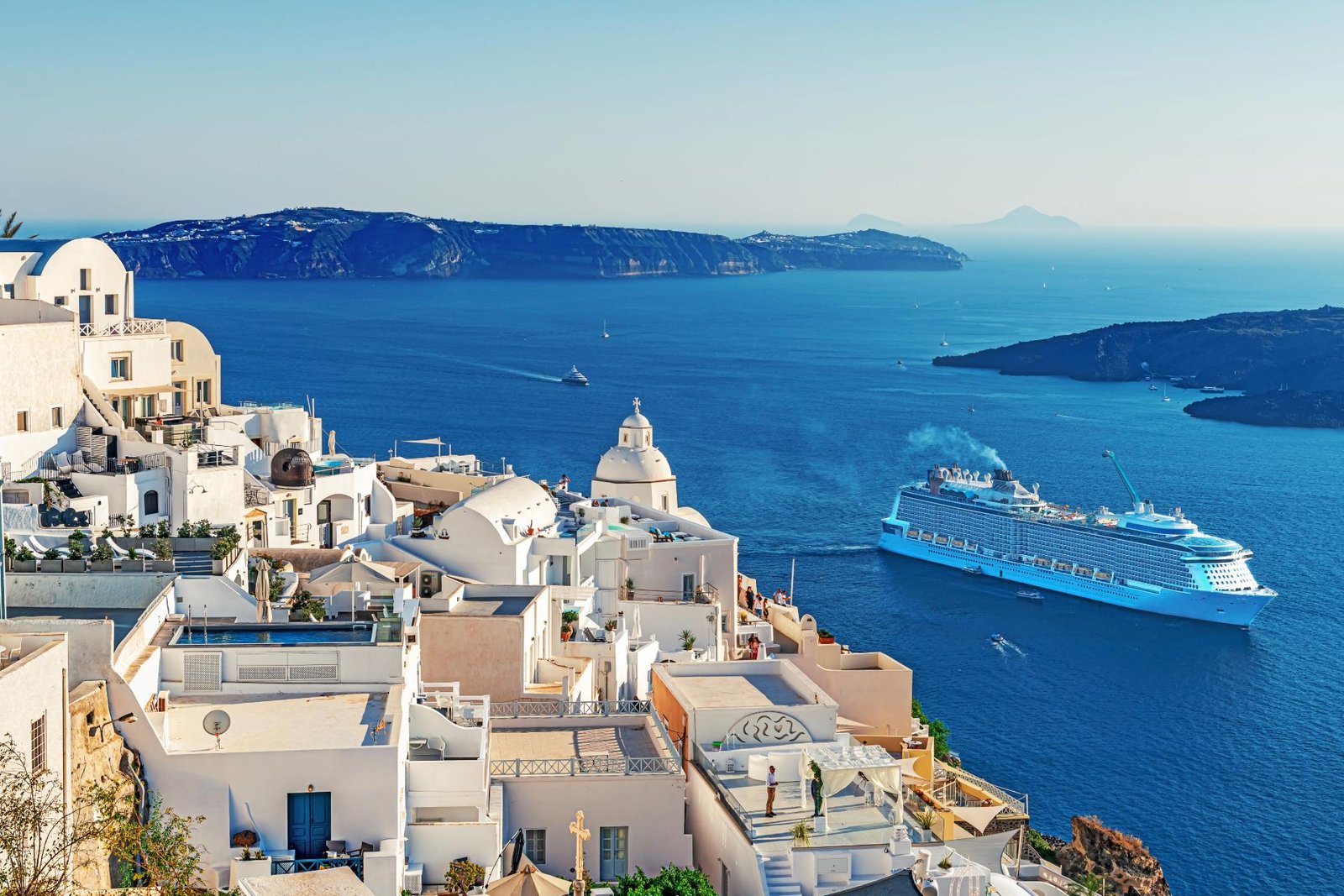
A Greek Islands cruise combines coastal scenery, historic destinations, traditional villages and time at sea. From the whitewashed settlements of Santorini and Mykonos to the historic streets of Rhodes and the varied landscapes of Crete, each island offers a different experience.
Choosing when to cruise can make a difference to the type of holiday you enjoy. Spring and autumn can bring milder temperatures and a quieter atmosphere, while summer offers long sunny days, warm seas and a lively holiday environment. Seasonal winds, port schedules and the number of visitors can also affect a cruise itinerary.
Greece has a Mediterranean climate, with generally warm, dry summers and milder, wetter winters. However, weather conditions can vary between islands and from one year to another. <Cite refs={[“turn750189search0″,”turn750189search3”]} />
This guide explores the Greek Islands cruise seasons, what to expect from the weather throughout the year and how to choose travel dates that suit your interests.
1. When Is the Greek Islands Cruise Season?
The main Greek Islands cruise season generally runs from spring to autumn, with many cruise itineraries operating from around April or May through October. Some operators offer sailings outside these months, but routes and departure options can be more limited.
The warm season in Greece typically extends from April to October, while the cooler and wetter period generally runs from mid-October to March. Conditions differ according to location, elevation and exposure to the sea.
2. Greek Islands Cruise Weather by Month
Weather is an important factor when choosing a cruise date, particularly if you want to spend time on beaches, explore archaeological sites or enjoy outdoor excursions.
The table below gives a broad seasonal overview. Actual conditions vary between islands and years, so travellers should check forecasts closer to departure.
| Month | General conditions | Cruise considerations |
|---|---|---|
| March | Cool and changeable, with some rain | Limited cruise choices; better suited to sightseeing than beach-focused trips |
| April | Mild to warm, with some unsettled days | Spring scenery and expanding cruise schedules |
| May | Generally warm and sunnier | Good for walking, cultural visits and outdoor exploration |
| June | Hotter, mostly dry and sunny | Longer days and more sailing options |
| July | Hot, dry and sunny | Peak travel activity; strong seasonal winds may affect some routes |
| August | Very warm to hot, generally dry | Busy ports, high visitor numbers and possible strong Aegean winds |
| September | Warm, often sunny | Sea remains inviting in many areas; crowds may begin to ease |
| October | Mild to warm early in the month, more variable later | Autumn atmosphere, with fewer sailings toward the end of the month |
| November | Cooler and wetter | Limited cruise schedules and reduced seasonal services |
| December–February | Generally cooler, with winter rain possible | Few seasonal island cruise itineraries |
Greece’s official climate information describes summer as generally hot and dry, with seasonal winds moderating temperatures in some areas. The Aegean’s meltemi winds are particularly relevant to summer travel. <Cite refs={[“turn750189search0″,”turn750189search3″,”turn750189search9”]} />
3. Taking a Greek Islands Cruise in Spring
<AsyncImage query=”Greek islands spring Santorini village blooming flowers sea view” aspectRatio=”16:9″ width=”100%”/>
Spring is a period of transition in Greece. Temperatures rise, landscapes become greener after winter and many tourism services prepare for the busy summer season.
April and May can be appealing for travellers who want to explore towns, archaeological sites and scenic landscapes without the full intensity of summer heat. Cruise availability increases as the season progresses, but the exact schedule depends on the cruise operator.
Benefits of spring cruising
- Temperatures can be more comfortable for walking and sightseeing.
- Spring landscapes may be greener and flowers may be in bloom.
- Some destinations may be less crowded than during peak summer.
- Outdoor excursions can be enjoyable in milder conditions.
Things to consider
April weather can be changeable, and sea temperatures may still feel cool for swimming. Some island businesses and excursions may not yet be operating at their full summer schedule. Travellers should confirm which attractions and services will be available during their visit.
Islands to consider in spring
- Crete: Historic sites, towns and varied landscapes.
- Rhodes: Medieval heritage and coastal walks.
- Santorini: Caldera views, villages and photography.
- Corfu: Historic architecture and green scenery.
Spring can suit visitors whose priorities are cultural experiences, scenic exploration and comfortable sightseeing rather than spending every day at the beach.
4. Taking a Greek Islands Cruise in Summer
<AsyncImage query=”Greek islands summer cruise ship Santorini blue sea sunny cliffs” aspectRatio=”16:9″ width=”100%”/>
Summer is the busiest period for many Greek Islands holidays. June, July and August typically bring long sunny days, warm weather and extensive tourism activity. Many cruise operators offer a broad choice of itineraries during this period.
The hottest part of the year is generally around late July and early August. Greece’s National Meteorological Service reports that average maximum temperatures during this period can range from approximately 29°C to 35°C, depending on the region. <Cite refs={[“turn750189search3”]} />
Benefits of summer cruising
- Long daylight hours for sightseeing and excursions.
- Warm conditions for swimming and beach visits.
- A wide range of cruise itineraries and seasonal activities.
- Lively waterfronts, restaurants and tourism areas.
Things to consider
Summer temperatures can be high, especially during midday. Visitors should plan outdoor activities carefully, drink enough water and use sun protection.
The Aegean can also experience seasonal northerly winds known as the meltemi, particularly during summer. These winds may affect sea conditions and sailing arrangements. Cruise operators and captains make operational decisions based on safety and conditions. <Cite refs=
July and August are also popular holiday months, so well-known attractions and ports may be busy. Travellers should allow enough time for transfers, excursions and returning to the ship.
Islands to consider in summer
- Mykonos: Beaches, shopping, dining and nightlife.
- Santorini: Caldera views and traditional villages.
- Naxos: Beaches and inland villages.
- Paros: Harbours, beaches and island culture.
- Crete: A variety of cultural and coastal excursions.
Summer can suit travellers who want a lively holiday atmosphere and warm-weather activities, provided they are comfortable with heat and larger crowds.
5. Taking a Greek Islands Cruise in Autumn
Autumn is a transition from the busy summer season toward the cooler winter months. September and early October can still offer warm weather in many island destinations, while visitor numbers may gradually decline after the peak summer period.
The sea can retain warmth from summer, making early autumn attractive for travellers interested in a combination of sightseeing and coastal activities. Later in October, conditions become more variable and some seasonal services begin to close.
Benefits of autumn cruising
- Warm conditions may continue into September and early October.
- Some popular locations may be less busy than during peak summer.
- Cultural visits and walking excursions can be more comfortable as temperatures moderate.
- The softer seasonal light can provide appealing conditions for photography.
Things to consider
Cruise schedules may become more limited as autumn progresses. Rainfall and wind conditions can become less predictable, especially later in the season. Travellers planning an October cruise should confirm that the chosen itinerary is operating on their dates.
Islands to consider in autumn
- Rhodes: Historic streets, cultural sites and coastal scenery.
- Crete: Archaeological attractions and regional food experiences.
- Santorini: Villages and caldera landscapes.
- Corfu: Historic architecture and scenic surroundings.
Autumn can be suitable for travellers who want to explore at a more relaxed pace while retaining the possibility of warm, sunny days.
6. Is Winter a Good Time for a Greek Islands Cruise?
Winter in Greece is generally cooler and wetter than the main cruise season. The islands often have milder conditions than some inland and northern areas, but weather can still be unsettled, and daylight hours are shorter.
Most seasonal island holiday services operate on reduced schedules during winter. Some cruise departures may be available, but the choice of routes and ports is usually more limited than during spring, summer and early autumn.
What winter visitors can expect
- Cooler temperatures and a greater chance of rain.
- Quieter towns and fewer seasonal visitors in some locations.
- Reduced availability of certain excursions, restaurants and tourism services.
- Fewer cruise itinerary options, depending on the operator.
Winter may interest travellers focused on quieter cultural visits or specific off-season experiences, but it is less suitable for a holiday centred on swimming, beach time and a broad choice of island cruise routes.
7. Understanding the Meltemi Winds
The meltemi is a seasonal northerly wind that affects parts of the Aegean, particularly during the warmer months. It is a natural feature of the region’s summer climate and can influence sailing conditions.
The strength and duration of these winds vary. They may be more noticeable in parts of the Cyclades and other exposed areas of the Aegean. While breezes can provide relief from summer heat, stronger winds can affect sea conditions and some boat excursions.
How winds can affect a cruise
- Sea conditions may become rougher on exposed routes.
- Small boat excursions may be adjusted, delayed or cancelled.
- Cruise itineraries or port arrangements may change for operational or safety reasons.
- Passengers who are sensitive to motion may wish to prepare for the possibility of choppier seas.
Travellers should check cruise operator guidance, follow onboard announcements and remain flexible if weather conditions require a change of plan.
8. Best Season Based on Your Travel Interests
The most suitable season depends on what you hope to experience during your cruise.
| Travel interest | Season to consider | Why |
|---|---|---|
| Sightseeing and archaeological sites | April–May, September–October | Milder conditions can make outdoor exploration more comfortable |
| Beach visits and swimming | June–September | Warmer weather and sea conditions are generally more suitable |
| Long sunny days | June–August | Summer has extended daylight and generally dry weather |
| Exploring with fewer peak-season visitors | Spring and autumn | Some destinations may be quieter outside the busiest months |
| Lively nightlife and summer atmosphere | July–August | Many seasonal venues and tourism activities are operating |
| Photography and landscapes | Spring and autumn | Seasonal light and changing scenery can offer varied photo opportunities |
| A wider selection of cruise itineraries | Main cruise season, especially summer | More operators may schedule routes during the busier months |
These are broad planning guides rather than guarantees. Weather, crowd levels and cruise availability differ by island, route and year.
9. How to Choose the Right Month for Your Cruise
Before booking, consider the kind of experience you want and how flexible your travel dates are.
If you prefer warm weather
Consider June through September, while keeping in mind that July and August can be particularly hot and busy. If you are sensitive to heat, plan excursions for cooler parts of the day where possible.
If you prefer cultural exploration
April, May, September and early October may provide more comfortable conditions for walking through historic towns and visiting archaeological sites. Confirm that the attractions and excursions you want are open on your travel dates.
If you want to swim and spend time at the beach
The summer months and early autumn are commonly considered for beach-focused holidays. Water temperatures vary by location and time of year, so check conditions for the specific islands on your route.
If you want to avoid the busiest period
Consider travelling in spring or autumn rather than during the peak summer holiday months. Popular islands can still attract visitors during shoulder season, particularly when cruise ships are in port.
If you are concerned about sea conditions
No month can guarantee calm seas. Check the itinerary, vessel information and cruise operator’s guidance, and consider discussing your concerns with the operator before booking.
10. What to Pack for a Greek Islands Cruise
Packing depends on the season, destinations and planned activities. Even during warm months, conditions can feel cooler on deck or during windy evenings.
Spring and autumn
- Lightweight clothing for daytime.
- A light jacket or sweater for evenings.
- Comfortable walking shoes.
- A compact rain jacket or umbrella.
- Sun protection, including sunglasses and sunscreen.
Summer
- Lightweight, breathable clothing.
- Comfortable sandals and walking shoes.
- Swimwear and a beach cover-up.
- A hat and high-protection sunscreen.
- A light layer for breezy evenings or time on deck.
Winter
- Warm layers and a weather-resistant jacket.
- Comfortable shoes suitable for wet conditions.
- A compact umbrella or rain jacket.
- Clothing suitable for cooler evenings.
- Any personal items needed for changing weather.
For all seasons, carry travel documents, essential medication and any items required for your personal comfort. Check the cruise operator’s luggage guidance before departure.
11. Booking and Itinerary Planning Tips
Choosing a suitable month is only one part of planning a Greek Islands cruise. Reviewing the actual itinerary and what is included can help set realistic expectations.
- Check the confirmed sailing dates: Cruise schedules vary between operators and seasons.
- Review the ports of call: Confirm which islands are included and how long the ship will remain at each destination.
- Understand shore transfers: Some ports may use tender boats rather than direct docking.
- Compare excursion options: Check travel times, walking requirements, accessibility and cancellation terms.
- Review what is included: Meals, transfers, guided excursions and onboard services differ by package.
- Check travel requirements: Confirm passport, visa and entry requirements for every destination on the itinerary.
- Allow flexibility: Weather or operational changes can affect port calls and excursions.
For Santorini in particular, cruise passengers should review the ship’s shore-transfer arrangements and allow time for movement between the landing point and the island’s main attractions.
Frequently Asked Questions
What is the best month to take a Greek Islands cruise?
The right month depends on your preferences. May and September can offer a balance of warm weather and sightseeing conditions, while June through August are popular for summer activities and beach visits. Cruise availability and conditions vary by route and operator.
Is September a good time for a Greek Islands cruise?
September is within the warm season in Greece and can offer opportunities for sightseeing and coastal activities. Conditions vary between islands, and travellers should check the itinerary and local forecast for their travel dates.
Is Greece too hot for cruising in August?
August can be very hot, particularly during the middle of the day. Travellers should plan outdoor excursions carefully, stay hydrated and use sun protection. Seasonal winds may also affect some Aegean routes.
Can I take a Greek Islands cruise in April?
Some cruise operators offer sailings in April, but schedules vary. April is a spring month with generally milder conditions, though weather can be changeable and the sea may still be cool for swimming.
Are Greek Islands cruises available in winter?
Some departures may operate outside the main cruise season, but options are generally more limited. Winter conditions can be cooler and wetter, and some seasonal island services may be closed or reduced.
What are the meltemi winds?
The meltemi are seasonal northerly winds that affect the Aegean, particularly during summer. They can moderate high temperatures but may also influence sea conditions and some excursions.
Is the sea warm enough for swimming in May?
Sea temperatures can still feel cool in May, although conditions vary by island and year. Travellers prioritising swimming may wish to consider the warmer summer months or early autumn.
Are Greek Islands less crowded in October?
Some destinations may be quieter in October than during the peak summer months, but crowd levels vary by island, port calls and local events. Cruise schedules and tourism services may also become more limited later in the month.
Conclusion
The best time to take a Greek Islands cruise depends on the balance you want between weather, sightseeing, beach activities, crowds and itinerary choice. Spring can offer mild conditions and seasonal scenery, summer brings long sunny days and a lively holiday atmosphere, while early autumn can combine warm weather with a transition away from peak-season activity.
Before booking, compare the sailing dates, destinations, port schedules and seasonal conditions for the specific cruise you are considering. With thoughtful planning and flexibility, a Greek Islands cruise can offer a memorable way to explore Greece from the sea.
Explore Greek Islands and Mediterranean cruise opportunities with GlobalLink Suisse and start planning your journey.