
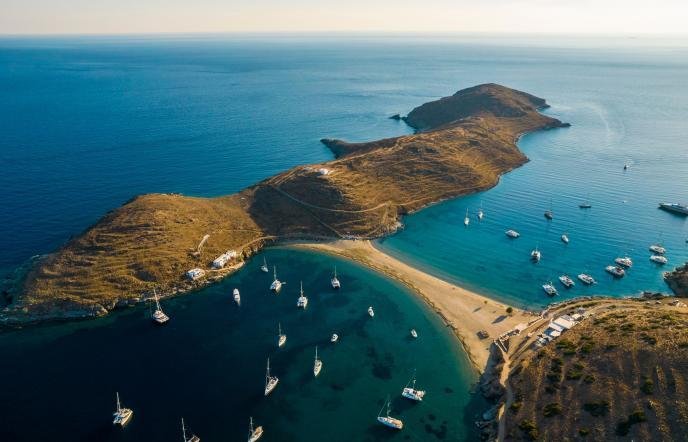
Crete is Greece’s largest island and one of the Mediterranean’s most captivating holiday destinations. Famous for its turquoise beaches, ancient archaeological sites, picturesque coastal towns and delicious traditional cuisine, Crete offers an unforgettable combination of relaxation, adventure and cultural discovery.
From the charming Venetian harbour of Chania to the historic Palace of Knossos and the spectacular waters of Balos Lagoon, Crete provides remarkable experiences for couples, families, history enthusiasts and nature lovers.
The island’s diverse landscapes include dramatic mountains, beautiful gorges, traditional villages and peaceful seaside resorts. Visitors can spend their mornings exploring ancient Greek history, their afternoons relaxing on beautiful beaches and their evenings enjoying authentic Cretan cuisine.
Whether you are planning a romantic Mediterranean escape, a family holiday or a cultural journey through Greece, this Crete travel guide explores the best places to visit and experiences to enjoy with GlobalLink Suisse.
Why Visit Crete, Greece?
Crete offers an exceptional combination of natural beauty, fascinating history and authentic Greek island culture.
Unlike smaller Greek islands, Crete provides a wide variety of landscapes and attractions, making it suitable for longer holidays.
Visitors can explore ancient Minoan archaeological sites, discover charming historic towns, swim in crystal-clear waters and enjoy traditional hospitality in mountain villages.
The island is also famous for its culinary heritage, including olive oil, fresh vegetables, seafood, local cheeses and traditional Cretan dishes.
With beautiful coastal resorts and excellent opportunities for outdoor adventures, Crete is one of the best destinations for travellers seeking a complete Greek island experience.
Best Places to Visit in Crete
1. Chania: Venetian Harbour and Historic Streets
Chania is one of Crete’s most beautiful towns, located on the island’s northwestern coast.
Its famous Venetian harbour features colourful waterfront buildings, historic architecture and inviting restaurants.
Visitors can explore the Old Town’s narrow streets, traditional shops and charming cafés.
The Egyptian Lighthouse at the harbour entrance is one of Chania’s most recognisable landmarks.
Chania is particularly attractive for couples and travellers seeking a combination of culture, shopping and waterfront dining.
The town also provides a convenient base for exploring western Crete’s famous beaches.
2. Heraklion: History and Cretan Culture
Heraklion is Crete’s largest city and an important cultural destination.
The city features historic fortifications, lively shopping streets, museums and traditional restaurants.
One of its most important attractions is the Heraklion Archaeological Museum, which houses an outstanding collection of artefacts from the Minoan civilisation.
Visitors can also explore the Venetian Koules Fortress overlooking the harbour.
Heraklion is an excellent starting point for travellers interested in discovering Crete’s ancient history.
3. Knossos Palace: Discover the Minoan Civilisation
The Palace of Knossos is one of Greece’s most important archaeological attractions.
Located near Heraklion, Knossos was a major centre of the ancient Minoan civilisation.
Visitors can explore palace ruins, courtyards, reconstructed architectural features and archaeological remains.
The site is closely associated with Greek mythology, particularly the stories of King Minos and the Minotaur.
A guided visit provides valuable insights into the island’s ancient history and cultural heritage.
Knossos is an essential destination for history enthusiasts visiting Crete.
4. Elafonissi Beach: Pink-Tinged Sand and Turquoise Water
Elafonissi Beach is one of Crete’s most famous natural attractions.
Located in southwestern Crete, the beach is celebrated for its shallow turquoise waters and areas of sand with a delicate pink tint.
The surrounding coastal landscape creates a beautiful setting for swimming, relaxation and photography.
Elafonissi is particularly popular among families because of its shallow lagoon areas, although visitors should always supervise children and follow local safety guidance.
The beach can become crowded during the peak summer season.
5. Balos Lagoon: Spectacular Coastal Scenery
Balos Lagoon is one of the most photographed destinations in Greece.
Located on the Gramvousa Peninsula in northwestern Crete, the lagoon features striking turquoise water, pale sand and dramatic surrounding landscapes.
Visitors can reach the area through organised boat excursions or an overland route involving a rough road and walking.
Access conditions vary, making organised excursions a convenient option for many travellers.
Balos is particularly attractive for nature lovers, photographers and visitors seeking unforgettable Mediterranean scenery.
6. Rethymno: Traditional Charm and Venetian Architecture
Rethymno is a beautiful coastal town located between Chania and Heraklion.
Its historic Old Town features Venetian architecture, narrow streets, traditional shops and lively cafés.
The impressive Fortezza fortress overlooks the town and surrounding coastline.
Visitors can enjoy waterfront dining, explore cultural attractions and relax on nearby beaches.
Rethymno offers a welcoming combination of historic charm and seaside holiday experiences.
7. Agios Nikolaos: Lakeside Beauty and Coastal Relaxation
Agios Nikolaos is a picturesque town on Crete’s eastern side.
The town is famous for Lake Voulismeni, a scenic body of water surrounded by restaurants and cafés.
Visitors can explore the waterfront, enjoy boat excursions and discover nearby beaches.
Agios Nikolaos is an attractive destination for couples and travellers seeking a relaxed Mediterranean atmosphere.
Best Things to Experience in Crete
Explore Samaria Gorge
Samaria Gorge is one of Crete’s most famous natural attractions.
Located in the White Mountains, the gorge offers a spectacular hiking experience through dramatic landscapes.
The full route is physically demanding and is best suited to appropriately prepared hikers.
Access is seasonal and depends on weather and park conditions.
Travellers should check official opening information and carry suitable hiking equipment.
Discover Traditional Cretan Villages
Crete’s mountain villages provide opportunities to experience authentic island culture.
Visitors can explore traditional architecture, local crafts and family-run tavernas.
Villages in the countryside offer a quieter alternative to the island’s busy coastal resorts.
These experiences are particularly rewarding for travellers interested in local traditions and rural landscapes.
Enjoy Authentic Cretan Cuisine
Cretan cuisine is an important part of the island’s cultural identity.
Popular dishes include dakos, a traditional barley rusk topped with tomatoes and cheese, and kalitsounia, small pastries prepared with various fillings.
Visitors can also enjoy grilled seafood, fresh vegetables, olive oil and local cheeses.
Traditional tavernas provide excellent opportunities to discover regional specialities.
Experience Mediterranean Beaches
Crete offers an impressive selection of beaches suitable for different interests.
Families may prefer accessible beaches with facilities, while adventurous travellers can explore more secluded coastal destinations.
Popular choices include Elafonissi, Balos, Falassarna and Vai Beach.
Swimming conditions and facilities vary by location and season.
Take a Scenic Boat Excursion
Boat excursions offer a beautiful perspective on Crete’s coastline.
Popular experiences include cruises towards Balos Lagoon, Gramvousa Island and selected coastal villages.
Some excursions provide opportunities for swimming and sightseeing.
Travellers should confirm departure locations, seasonal schedules and weather conditions before booking.
Best Time to Visit Crete
Spring: March to May
Spring is an excellent season for sightseeing, cultural exploration and countryside walks.
The landscapes are often green, with wildflowers appearing across parts of the island.
Sea temperatures may still be cool for swimming.
Summer: June to August
Summer is the most popular season for beach holidays.
Visitors can enjoy warm Mediterranean weather, swimming and outdoor dining.
July and August can be particularly hot and busy, especially at famous beaches.
Autumn: September to November
Early autumn is an attractive time to visit Crete.
Sea temperatures often remain suitable for swimming, while the busiest summer crowds begin to decrease.
It is a good season for combining beaches with cultural sightseeing.
Winter: December to February
Winter offers a quieter experience, particularly in larger towns and traditional villages.
However, some seasonal resorts, excursions and tourism facilities operate on reduced schedules.
Suggested 7-Day Crete Travel Itinerary
Day 1: Arrival in Chania
Arrive in Crete and settle into your accommodation.
Explore Chania’s Venetian harbour and enjoy traditional Greek dining.
Day 2: Elafonissi Beach
Take a day trip to Elafonissi Beach.
Enjoy the beautiful lagoon scenery and relaxed coastal atmosphere.
Day 3: Balos Lagoon
Discover Balos Lagoon through a suitable excursion.
Enjoy the spectacular turquoise waters and surrounding landscapes.
Day 4: Chania to Rethymno
Travel towards Rethymno.
Explore its historic Old Town and impressive Venetian fortress.
Day 5: Heraklion and Knossos Palace
Visit the Palace of Knossos and discover ancient Minoan history.
Continue to the Heraklion Archaeological Museum.
Day 6: Agios Nikolaos
Explore Agios Nikolaos and enjoy the waterfront around Lake Voulismeni.
Relax at a nearby beach or take a scenic excursion.
Day 7: Departure
Enjoy a relaxed breakfast before travelling to your departure airport.
This itinerary can be adjusted according to your accommodation, preferred activities and travel schedule.
How to Get Around Crete
Crete has two main international airports serving Heraklion and Chania, with flight availability depending on routes and seasons.
Ferry services also connect Crete with mainland Greece and selected islands.
Because Crete is relatively large, travelling between attractions can take considerable time.
Rental vehicles offer flexibility for exploring beaches, mountain villages and historic towns.
Public buses connect many major towns and popular destinations, while organised excursions provide convenient alternatives.
Travellers should plan routes carefully, particularly when visiting remote beaches and mountainous areas.
Practical Tips for Visiting Crete
-
Choose your accommodation according to the attractions you want to explore.
-
Allow enough time for travel between different regions of the island.
-
Book popular excursions early during the summer season.
-
Carry sun protection, drinking water and comfortable walking shoes.
-
Respect archaeological sites and protected natural environments.
-
Check hiking trail conditions before visiting mountain attractions.
-
Try traditional Cretan dishes at local tavernas.
-
Consider visiting during spring or early autumn for a quieter experience.
Frequently Asked Questions About Crete
1. Is Crete worth visiting?
Yes. Crete offers beautiful beaches, ancient historical attractions, traditional villages, spectacular landscapes and authentic Greek island experiences.
2. How many days are enough to explore Crete?
Seven to ten days provide a good opportunity to explore several major attractions. Longer stays are recommended for travellers wanting to discover multiple regions.
3. What is Crete most famous for?
Crete is famous for the Palace of Knossos, Chania’s Venetian harbour, Balos Lagoon, Elafonissi Beach and its traditional Mediterranean cuisine.
4. Which part of Crete is best for first-time visitors?
Chania is popular for its historic charm and access to western beaches, while Heraklion offers convenient access to archaeological attractions. Rethymno provides a combination of beaches and historic sightseeing.
5. Is Crete suitable for family holidays?
Yes. Crete offers family-friendly beaches, cultural attractions, seaside resorts and outdoor activities suitable for different age groups.
6. What is the best time to visit Crete?
May, June, September and early October are particularly attractive for combining sightseeing with enjoyable Mediterranean weather.
Plan Your Crete Holiday with GlobalLink Suisse
Crete offers an unforgettable combination of spectacular beaches, ancient history, charming coastal towns and authentic Greek island culture.
Whether you want to explore the Palace of Knossos, discover Chania’s Venetian harbour, relax on Elafonissi Beach or admire the turquoise waters of Balos Lagoon, Crete provides remarkable experiences for every traveller.
GlobalLink Suisse helps international travellers discover Greece through personalised travel planning and carefully selected destinations and experiences.
Explore our Greece tours and let us help you plan a memorable Crete holiday tailored to your interests, preferred accommodation and travel expectations.