
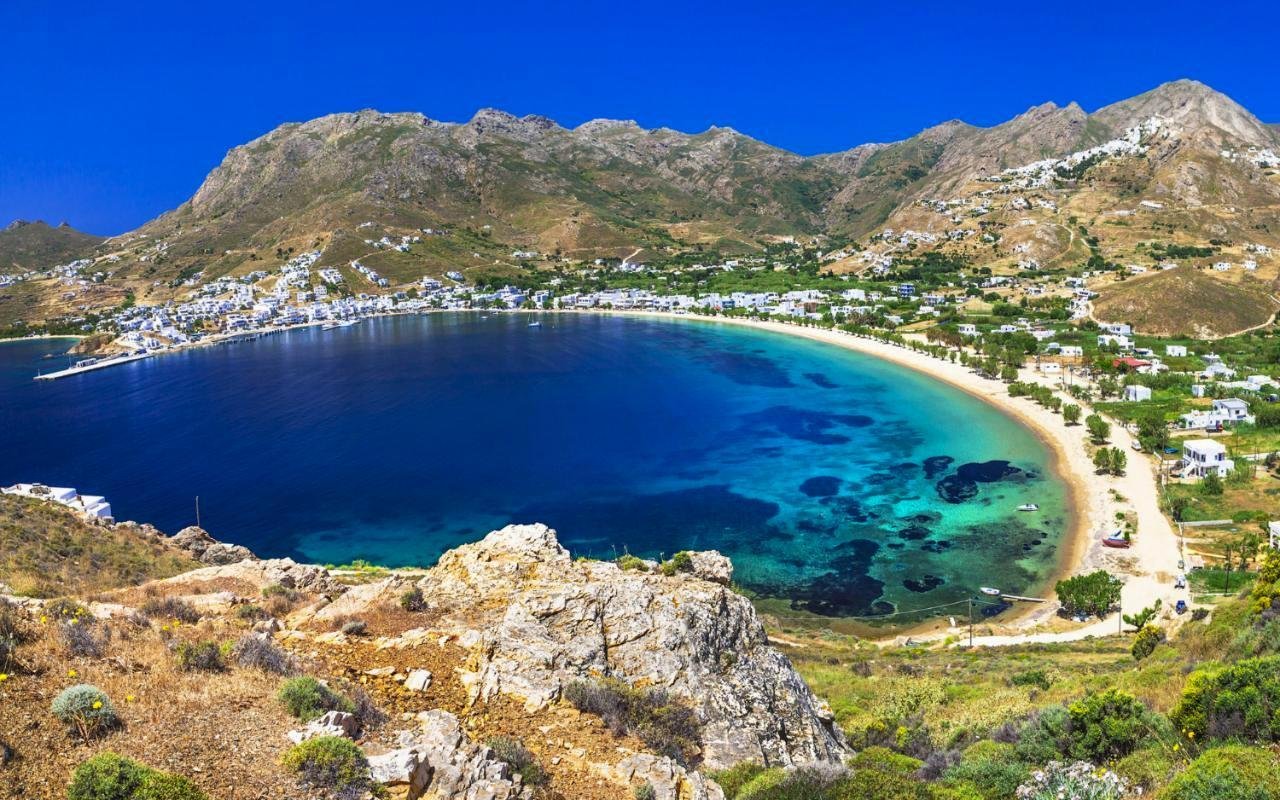
A Greek Islands cruise holiday is an opportunity to explore beautiful coastlines, historic towns, traditional villages and several island destinations within one journey. For first-time travellers, cruising can make it easier to experience different parts of Greece without having to organise separate accommodation and transport for every island.
From the whitewashed villages of Santorini to the lively waterfront of Mykonos and the historical attractions of Crete and Rhodes, the Greek Islands offer a variety of experiences. A cruise can combine sightseeing, cultural discovery, relaxation and time at sea, making it suitable for couples, families and groups of friends.
However, a first cruise also comes with practical considerations. Understanding how cruise itineraries work, what to pack, how shore excursions are organised and how to manage your time in port can help you prepare for a more comfortable holiday.
This guide explains what first-time travellers should know before booking a Greek Islands cruise holiday and how to make the most of the experience with GlobalLink Suisse.
Understanding a Greek Islands Cruise Holiday
How Does a Greek Islands Cruise Work?
A Greek Islands cruise takes travellers between selected ports and islands aboard a cruise ship. Instead of changing hotels and arranging separate journeys between destinations, passengers stay onboard while the ship travels according to its itinerary.
During a typical cruise, the ship may visit a different port each day, remain at sea for part of the journey or stay longer at selected destinations. The exact itinerary depends on the cruise operator, departure date and length of the holiday.
When the ship reaches a port, passengers can go ashore to explore independently or join organised excursions. At the end of the visit, travellers return to the ship before its scheduled departure.
What Is Usually Included?
Cruise fares vary according to the cruise line, ship, cabin category and booking conditions. Depending on the package, the fare may include accommodation onboard, selected meals, access to certain ship facilities and scheduled transportation between ports.
Some services may cost extra. These can include shore excursions, speciality dining, selected drinks, spa treatments, internet access, gratuities and other optional activities.
Before booking, review the fare conditions carefully so you understand what is included and what you may need to budget for separately.
How Long Should Your First Cruise Be?
Greek Islands cruises are available in different durations. Shorter cruises can introduce first-time travellers to a few destinations, while longer itineraries may include more islands, mainland ports or additional days at sea.
A shorter cruise may suit travellers with limited holiday time or those who want to try cruising for the first time. A longer journey can provide more time to explore destinations at a relaxed pace, although it may also require a larger travel budget and more time away.
Consider how many destinations you want to visit, how much time you enjoy spending onboard and the overall pace you prefer.
Popular Destinations on a Greek Islands Cruise
Santorini: Caldera Views and Whitewashed Villages
Santorini is one of Greece’s most recognisable islands, known for its volcanic landscape, cliffside villages and panoramic views over the Aegean Sea.
Fira, the island’s capital, offers narrow streets, cafés, shops and viewpoints overlooking the caldera. Oia is another popular destination, with whitewashed buildings, blue-domed churches and scenic lanes.
Depending on the time available, visitors may explore the towns, visit historical sites, enjoy local food or take a boat excursion around the caldera. Cruise ships often anchor offshore at Santorini, with passengers transferred to the island by tender. Travellers should allow enough time for transfers and possible queues.
Mykonos: Traditional Streets and Coastal Experiences
Mykonos is known for its whitewashed architecture, waterfront setting, historic windmills and lively atmosphere. Mykonos Town is a popular place to explore on foot, with narrow lanes, boutiques, cafés and traditional chapels.
Visitors can walk through Little Venice, see the windmills, enjoy local cuisine or spend time at one of the island’s beaches. Travellers interested in ancient history may also consider an excursion to nearby Delos, subject to available transport and port timings.
Mykonos offers a combination of cultural attractions, shopping, seaside relaxation and entertainment.
Crete: History, Culture and Local Life
Crete is the largest Greek island and offers a wide range of experiences, including archaeological attractions, historic towns, traditional villages and beaches.
Depending on the port of call, cruise visitors may explore destinations such as Heraklion or Chania. Heraklion provides access to the Palace of Knossos, an important archaeological site associated with the ancient Minoan civilisation. Chania is known for its historic harbour, old town and distinctive architecture.
Because Crete is a large island, it is important to choose activities that are practical for the time available at the port.
Rhodes: Medieval Heritage and Island Scenery
Rhodes combines historical attractions with beaches, traditional villages and coastal scenery. The medieval Old Town of Rhodes is a major attraction, with stone streets, historic buildings, squares and fortifications.
Visitors can explore the Old Town, enjoy local food, browse shops or join an excursion to other parts of the island. Travellers should consider the distance between attractions and the port when planning their day.
Athens: A Gateway to the Greek Islands
Some Greek Islands cruise itineraries begin or end in Athens, usually through the port of Piraeus. This gives travellers an opportunity to explore the Greek capital before or after their cruise.
Athens is known for its ancient heritage, including the Acropolis and the Parthenon, as well as museums, markets, neighbourhoods and restaurants. Travellers planning to visit Athens should consider arriving before the cruise departure date, particularly if they are travelling internationally or connecting from another destination.
Choosing the Right Greek Islands Cruise Itinerary
Consider the Destinations You Want to Visit
Not every cruise visits the same islands. Some itineraries focus on the Cyclades, including Santorini and Mykonos, while others include destinations such as Crete, Rhodes or mainland Greece.
Review the ports of call and consider what interests you most. Travellers interested in ancient history may prefer itineraries with archaeological attractions, while those looking for scenic coastlines and beaches may focus on islands with opportunities for outdoor activities and seaside relaxation.
Check the Time Available at Each Port
A cruise itinerary may include several destinations, but the time spent ashore can differ from one port to another. Some stops may last only a few hours, while others may allow a full day of exploration.
Check the arrival and departure times before choosing excursions. A destination with many attractions may require more time than the cruise schedule allows, so prioritise the places and activities that matter most to you.
Balance Port Visits with Time at Sea
Days at sea provide time to relax and enjoy the ship’s facilities. Depending on the cruise ship, passengers may have access to pools, lounges, entertainment, fitness areas, dining venues and organised activities.
A cruise with several port visits may suit travellers who want to explore frequently. An itinerary with more time at sea may appeal to those who prefer a slower pace and more opportunities to enjoy the onboard experience.
What to Expect Onboard
Accommodation and Cabin Choices
Cruise ships offer different cabin categories, which may include interior cabins, ocean-view cabins, balcony cabins and suites. The available options and facilities depend on the ship.
Interior cabins generally do not have a window, while ocean-view cabins provide a window or porthole. Balcony cabins offer private outdoor space, and suites may provide additional room or services depending on the cruise line.
When choosing a cabin, consider your budget, how much time you expect to spend in the room and whether natural light or a private balcony is important to you.
Dining and Meals
Cruise ships typically provide a range of dining options, although the specific venues and meal arrangements vary. Some meals may be included in the cruise fare, while speciality restaurants and selected menu items may cost extra.
Travellers with dietary requirements should review the cruise line’s policies and communicate their needs before departure. It is also useful to check whether meals are served at set times or whether flexible dining arrangements are available.
Entertainment and Activities
Onboard entertainment may include live performances, music, family activities, fitness sessions, swimming pools and social events. The programme depends on the cruise line and ship.
First-time travellers can review the ship’s facilities before booking to see whether they match their interests. Families may wish to check children’s activities, while couples or groups may be interested in entertainment, wellness facilities or quiet spaces.
Shore Excursions: Exploring the Islands
Organised Shore Excursions
Organised excursions are planned activities arranged through the cruise line or a tour provider. They may include guided sightseeing, transport, cultural visits, outdoor activities or food experiences.
These excursions can be useful for travellers who want a structured visit or who are unfamiliar with the destination. Before booking, check the excursion’s duration, physical requirements, inclusions and meeting arrangements.
Exploring Independently
Independent exploration allows travellers to choose their own route and spend time at attractions that interest them. It can work well in destinations where the main town or key sights are accessible from the port.
However, independent visitors are responsible for managing their time and returning to the ship before departure. Allow extra time for local transport, queues, traffic and unexpected delays.
Making the Most of a Short Port Visit
When time ashore is limited, focus on a few nearby attractions rather than trying to see everything. Research the destination in advance, identify the places you most want to visit and consider how long it will take to travel between them.
Keep the ship’s all-aboard time in mind and plan to return with a suitable time buffer. This is especially important when using public transport or travelling to attractions outside the port area.
Best Time to Take a Greek Islands Cruise
Spring: Comfortable Sightseeing
Spring can be a pleasant period for exploring historic towns, villages and outdoor attractions. Temperatures are often more moderate than during the height of summer, although weather conditions can vary.
Some seasonal businesses and excursions may have limited operating schedules earlier in the season, so check arrangements for your travel dates.
Summer: Warm Weather and Busy Islands
Summer is a popular time for Greek Islands cruises. Travellers can enjoy long daylight hours, warm weather and opportunities for swimming and beach visits.
Popular destinations may be crowded, especially when several cruise ships arrive on the same day. Visitors should prepare for strong sun, higher temperatures and busy transport routes.
Autumn: A Different Travel Pace
Early autumn can offer warm conditions and opportunities for sightseeing and coastal activities. Depending on the month and destination, visitor numbers may be lower than during peak summer.
As the season progresses, some services and excursion options may operate less frequently. Review the itinerary and local conditions before travelling.
What to Pack for Your First Greek Islands Cruise
Clothing and Footwear
Pack lightweight clothing suitable for warm weather, along with comfortable walking shoes. Some destinations have uneven streets, steps, slopes and cobbled lanes, so practical footwear can make exploring easier.
A light jacket or layer may be useful for cooler evenings or windy conditions, particularly when spending time on deck.
Sun Protection and Personal Essentials
Bring sunscreen, sunglasses, a hat and a reusable water bottle. These items can be useful during outdoor sightseeing and beach visits.
Pack personal medication and essential toiletries in your hand luggage, along with any travel documents you may need during the journey.
Travel Documents and Cruise Information
Check passport validity, visa requirements and entry conditions for your nationality and itinerary before departure. Keep your cruise booking information, travel insurance details and emergency contacts accessible.
If your cruise begins in Athens or another international port, confirm your arrival arrangements and allow sufficient time to reach the ship.
Budgeting for Your Greek Islands Cruise
Understand the Cruise Fare
Cruise prices can vary depending on the departure date, ship, cabin category, itinerary and booking conditions. Compare what is included in each fare rather than considering the headline price alone.
Check whether meals, selected drinks, onboard activities, port charges and gratuities are included or charged separately.
Plan for Additional Expenses
Set aside a budget for expenses that may not be included in the cruise fare. These can include shore excursions, local transport, meals ashore, souvenirs, internet access and optional onboard services.
You may also need to budget for flights, pre-cruise accommodation, airport transfers and travel insurance.
Consider Travel Insurance
Travel insurance can help cover certain unexpected costs, depending on the policy. Review the coverage, exclusions and claim conditions, including provisions for medical emergencies, trip interruption and missed departures.
Choose a policy that is suitable for your itinerary and personal circumstances.
Common Mistakes First-Time Cruise Travellers Should Avoid
Booking Without Reviewing the Itinerary
A cruise may visit several destinations, but the length of each port call and the location of the port can affect what you are able to see. Review the full itinerary before booking and check the time available at each stop.
Overloading Your Shore Excursion Schedule
Trying to fit too many attractions into one port visit can make the day stressful. Choose a realistic number of activities and leave time for meals, transport and unexpected delays.
Arriving at the Port Too Close to Departure
Delays during international travel can affect your ability to reach the ship on time. When possible, consider arriving in the departure city at least a day before the cruise begins. This provides additional time to manage flight delays, collect luggage and prepare for boarding.
Overlooking Additional Costs
Some services and activities may not be included in the cruise fare. Review the booking terms and prepare a realistic budget for optional expenses to avoid surprises during the holiday.
Forgetting to Check Travel Requirements
Entry requirements depend on your nationality, travel documents and the countries included in your itinerary. Confirm the applicable requirements well before departure and check for updates as your travel date approaches.
Frequently Asked Questions
Is a Greek Islands Cruise Suitable for First-Time Travellers?
A Greek Islands cruise can be a convenient way for first-time travellers to visit several destinations during one holiday. Travellers stay onboard while the ship moves between ports, reducing the need to arrange separate accommodation and inter-island transport.
Which Greek Islands Should I Visit on My First Cruise?
Popular destinations include Santorini, Mykonos, Crete and Rhodes. The most suitable itinerary depends on your interests, available time and preferred balance of sightseeing, history, beaches and onboard relaxation.
Do I Need to Book Shore Excursions in Advance?
Booking in advance may be useful for popular excursions or activities with limited capacity. Travellers should review the excursion details, cancellation terms and port timings before booking. Independent exploration may also be suitable for destinations where attractions are accessible from the port.
What Happens If I Miss the Ship?
Cruise passengers are expected to return before the ship’s scheduled departure. If you are exploring independently, you are responsible for reaching the ship on time. Missing the ship can create additional travel and accommodation costs, so always allow a time buffer and follow the cruise line’s instructions.
Can Families Take a Greek Islands Cruise?
Many cruise ships offer facilities and activities for families, but these vary by vessel and cruise line. Families should check cabin arrangements, children’s programmes, age requirements and shore excursion suitability before booking.
Do I Need Cash on a Greek Islands Cruise?
Cards are accepted at many businesses in popular tourist areas, but carrying some cash can be useful for small purchases, local transport or places that do not accept cards. Check your bank’s international transaction fees and the payment options available at your destinations.
Plan Your Greek Islands Cruise Holiday with GlobalLink Suisse
A Greek Islands cruise holiday can bring together scenic coastlines, ancient heritage, local cuisine and time to relax onboard. For first-time travellers, understanding the itinerary, planning shore visits and preparing for additional costs can make the journey easier and more enjoyable.
Whether you are interested in the caldera views of Santorini, the streets of Mykonos, the history of Crete or the medieval heritage of Rhodes, choosing an itinerary that reflects your travel interests is an important part of planning.
GlobalLink Suisse can help you explore Greek Islands cruise holiday options and organise a journey around your preferred destinations, travel dates and experiences.