
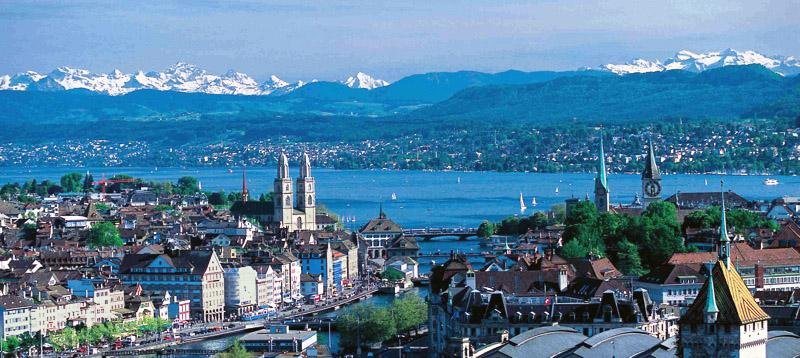
How Many Days Do You Need in Switzerland? Planning the Perfect 7 to 10-Day Holiday is a topic worth planning carefully because the best Swiss holiday balances memorable scenery with realistic travel time. This guide explains the key destinations, practical choices and seasonal considerations so you can create an itinerary that fits your interests. Use the suggestions as a flexible starting point and confirm current schedules and access conditions before making reservations.
How long should a first Swiss holiday be?
Seven to ten days is a useful starting point for a first trip to Switzerland, allowing a mix of cities, lakes and mountains without requiring constant travel. Seven days can cover two or three well-chosen bases, while ten days creates room for a broader route and weather flexibility. The right duration depends on flight times, budget, travel style and whether mountain activities are your main priority. Switzerland’s transport system makes moving between regions straightforward, but every hotel change still takes time. Plan around experiences you genuinely want rather than the number of destinations on a map.
For planning purposes, check the relevant destination’s official visitor information and the current Swiss rail timetable before you travel. Transport connections, opening dates and mountain access can change between seasons. Keeping the day’s main attraction flexible gives you a better chance of enjoying clear views, and a modest amount of free time makes the journey more comfortable. If you are travelling with companions, agree on your priorities before booking so the route suits everyone’s pace.
What you can realistically see in seven days
A seven-day itinerary is best built around two or three destinations. One practical option is Zurich for arrival and sightseeing, Lucerne for lake and mountain experiences, and the Interlaken area for the Bernese Oberland. Another is Geneva, Lausanne or Montreux, followed by a longer stay in one alpine region. Avoid adding Zermatt, St. Moritz and every major city to a single week: the journey may be possible on paper but leave little time outdoors. Reserve at least one full day for a major mountain excursion and remember that weather can affect its value.
A useful way to organise this stop is to decide what you would most regret missing, then build the day around that one experience. Reserve any compulsory seats or timed-entry tickets in advance, but avoid stacking several non-refundable activities on the same day. Check the walking distance between attractions and the last practical return connection. This simple approach protects both your budget and your enjoyment when weather or crowds disrupt the original plan.
A sample seven-day Switzerland itinerary
Spend day one arriving in Zurich and exploring the old town. Use day two for Lake Zurich or a local viewpoint, then travel to Lucerne on day three. Dedicate day four to Mount Pilatus, Mount Rigi or a Lake Lucerne cruise. Move to Interlaken on day five and explore the lakes or Lauterbrunnen Valley. Use day six for Grindelwald, Wengen or another mountain outing based on the forecast. On day seven, travel toward your departure airport. Adjust the sequence to flight times, and avoid booking a remote summit excursion on your final morning.
Accommodation location can matter as much as the star rating. A hotel near a station, ferry pier or village centre may save considerable time over several days, particularly when you have luggage or children. Compare the total journey from the hotel to your planned excursions rather than looking only at a map of the destination. Ask about local guest cards, breakfast arrangements and luggage storage before you book, since inclusions vary by property.
Why eight or nine days can be the sweet spot
Adding one or two days to a seven-day itinerary makes a noticeable difference. You can spend an extra night in the Jungfrau region, explore both lakes near Interlaken or take a slower route toward Lake Geneva. Extra time also helps when a planned mountain excursion is affected by cloud, wind or lift closures. Rather than using every additional day to add a new hotel, extend an existing stay. This reduces packing and transfer time and gives the holiday a more relaxed rhythm. For many first-time visitors, a few flexible days matter more than squeezing in one more famous destination.
For photography and sightseeing, start earlier when practical and allow a second viewpoint instead of relying on a single famous photo spot. Mountain visibility can change quickly, while lakeside and historic areas often look different in morning and evening light. Keep a light waterproof layer in your day bag, and do not assume conditions at a summit will match the town below. Checking live webcams where available can help with last-minute decisions.
A balanced ten-day itinerary
With ten days, a Zurich–Lucerne–Interlaken–Lake Geneva route becomes more comfortable. Spend two nights in Zurich, two in Lucerne, three in the Bernese Oberland and two around Lausanne, Montreux or Geneva, allowing the final travel day for departure. Alternatively, replace Lake Geneva with Zermatt if the Matterhorn is a personal priority, accepting the additional rail travel. Keep a weather-flexible mountain day in the schedule and resist the temptation to add St. Moritz unless scenic rail journeys are the main focus. The best ten-day plan is varied but still manageable.
When comparing activities, consider the full cost rather than the advertised headline fare. Rail passes may cover part of a journey while seat reservations, mountain lifts or premium experiences remain additional. Families should also check age-based ticket rules and attraction restrictions. An alternative local train, shorter boat journey or valley walk can deliver an equally rewarding day at a lower cost. Confirm the current conditions with the operator before paying.
Travel times and the hidden cost of moving
Train journeys in Switzerland are efficient, yet the total transfer time includes checking out, reaching stations, managing luggage and checking into a new hotel. Mountain villages may require additional rail or cable-car connections beyond the nearest major city. A route with five bases can therefore feel significantly busier than one with three. Check actual timetables before committing to a sequence and keep major excursions separate from long transfer days. Staying close to stations is useful, especially with children or heavy bags. A slower itinerary often delivers more memorable experiences than a tightly packed one.
Build in a sensible meal break and time to explore without a strict schedule. Swiss towns and mountain villages often reward a slow walk, a local bakery stop or a short lakeside detour just as much as a headline attraction. If the weather turns, switch to a museum, a scenic rail segment or a relaxed café visit rather than forcing an outdoor plan. Flexible days are particularly valuable during short holidays when each experience matters.
Budget, season and transport passes
The number of days you can comfortably spend in Switzerland depends partly on accommodation, dining and excursion costs. Mountain lifts and premium scenic trains may add substantially to the total. Compare a Swiss Travel Pass, Half Fare Card and point-to-point tickets using your actual route and the current operator conditions. Summer is attractive for lakes and hiking, while winter suits snow-focused travel; shoulder seasons may bring fewer crowds but variable lift access. Reserve accommodation early for popular dates and check whether your chosen villages and attractions operate during your travel period.
If you are linking several regions, look at the journey as part of the holiday. Scenic routes can be worth choosing even when they take a little longer, but the best option depends on your arrival time and how much luggage you carry. Avoid tight connections before expensive reservations. Save the official route details offline, keep essential documents accessible and leave a realistic buffer for transfers, especially on days involving mountain railways.
How to choose the right duration for you
Choose seven days if your holiday time is limited and you are happy focusing on a few highlights. Choose eight or nine days if you want a gentler pace and a weather buffer. Choose ten days if you want to combine the Bernese Alps with another region or include a signature rail journey without rushing. Travellers planning serious hiking, skiing or multiple panoramic trains may benefit from even longer. Before booking, identify three must-do experiences, place them on a map and build the route around them. Switzerland is best enjoyed with enough time to appreciate each stop.
Before finalising the itinerary, verify seasonal openings, any required reservations and the local weather forecast. Swiss mountain experiences can be outstanding in clear conditions but disappointing or unavailable when visibility and wind deteriorate. Prioritise safety instructions and marked routes over ambitious plans. A balanced holiday combines one memorable highlight with smaller local discoveries, leaving you with a richer sense of place and less pressure to rush.
Final planning advice
For a rewarding Swiss holiday, choose experiences that match your travel season and allow time to enjoy each place. Use official railway and destination information for the latest operating details, and keep some flexibility for alpine weather. Whether you are visiting for the first time or returning to discover a new region, thoughtful pacing will make the journey more enjoyable.
