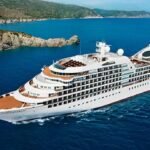
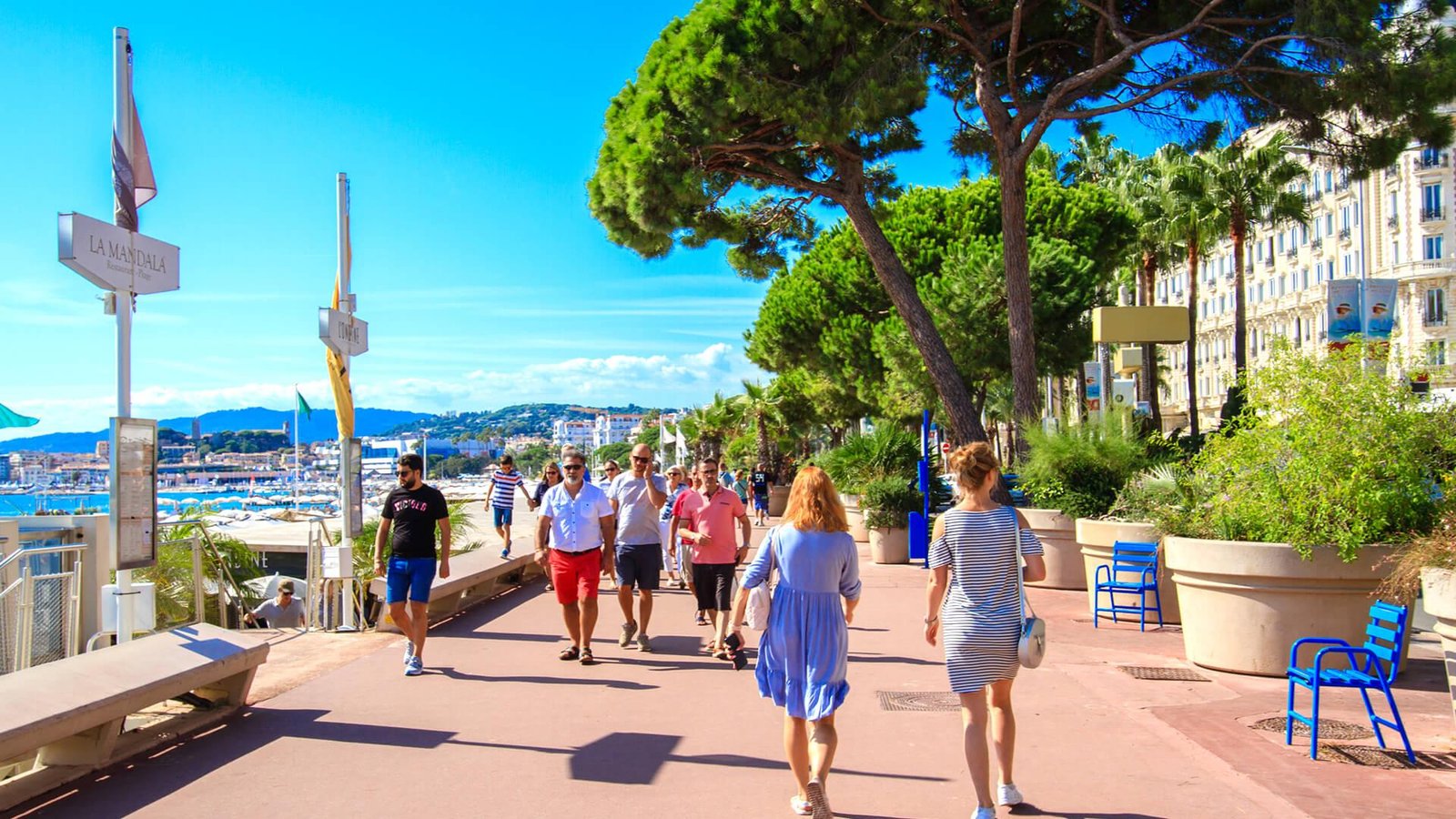
A multi-country European cruise is an opportunity to explore several destinations in one holiday, combining historic cities, coastal landscapes, cultural attractions and different cuisines. A single itinerary may connect Spain, France and Italy in the Mediterranean, or take travellers through Northern Europe’s historic capitals, scenic fjords and coastal towns.
Planning a cruise that visits multiple countries requires more than selecting a ship and departure date. Travellers need to consider the route, time spent in each port, entry requirements, shore excursions, travel insurance, seasonal weather and the overall holiday budget. A well-planned itinerary can make it easier to enjoy each destination while avoiding unnecessary travel stress.
Whether you are planning your first cruise or organising a longer European journey, this guide explains how to choose destinations, compare cruise routes, prepare travel documents and make the most of your time on board and ashore.
1. Decide What You Want to Experience
Before comparing cruise packages, identify the experiences you want from your holiday. Europe offers several cruise regions, each with its own attractions and travel style.
Mediterranean: Cities, Islands and Beaches
Mediterranean cruises often include destinations in Spain, France, Italy, Greece, Croatia and Malta. They can combine historic cities, archaeological sites, island villages, beaches and regional food experiences.
This region may suit travellers interested in exploring famous landmarks, enjoying coastal scenery and experiencing several cultures during one trip.
Northern Europe: Capitals and Scenic Landscapes
Northern European cruises may visit destinations in Denmark, Sweden, Norway, Finland, Estonia and other countries in the region. Some itineraries focus on historic capitals and cultural attractions, while others explore Norway’s fjords and smaller coastal communities.
These routes can appeal to travellers interested in architecture, museums, natural scenery and cooler summer conditions.
British Isles: Heritage and Coastal Towns
Cruises around the British Isles may include ports in England, Scotland, Wales, Northern Ireland and the Republic of Ireland. Travellers can explore castles, historic cities, maritime museums and countryside excursions.
Atlantic Coast: Portugal and Spain
Atlantic itineraries may include Lisbon, Porto, Cádiz and Málaga, sometimes connecting the Iberian Peninsula with other parts of Europe. These cruises can combine historic port cities, coastal landscapes and regional food traditions.
Choosing your preferred region first will help narrow down the available itineraries and make it easier to compare cruise durations, departure ports and costs.
2. Choose the Countries and Destinations
A multi-country cruise can visit several countries, but more destinations do not automatically mean a better travel experience. The time spent in each port and the distance between attractions can make a significant difference.
Start by listing the countries and cities you most want to visit. Then compare cruise itineraries that include those destinations.
Popular combinations include:
-
Spain, France and Italy: A western Mediterranean journey featuring cities such as Barcelona, Marseille, Rome and Naples.
-
Italy, Greece and Croatia: A route combining historic Italian ports, Greek islands and Adriatic coastal towns.
-
Denmark, Sweden and Estonia: A Baltic cruise focused on Northern European cities and cultural heritage.
-
Norway and Denmark: A northern journey that may combine fjord scenery with Scandinavian city experiences.
-
Portugal and Spain: An Atlantic or Iberian route featuring historic cities, waterfront districts and coastal excursions.
Check the actual port names and locations rather than relying only on the destination city used in a cruise brochure. Some ports are located outside the cities they serve, which can add significant transport time to a shore visit.
3. Select the Right Cruise Duration
The length of your cruise affects the number of countries you can visit, the amount of time available in each port and the overall pace of the holiday.
|
Cruise duration |
Typical planning approach |
Considerations |
|---|---|---|
|
3–5 days |
Short regional itinerary |
Limited number of ports and less time for extended excursions |
|
6–8 days |
One main cruise region |
A practical introduction to a specific part of Europe |
|
9–12 days |
Several countries within a region |
More opportunities for varied destinations |
|
13–15 days |
Extended regional or multi-region route |
May include additional ports and sea days |
|
16 days or more |
Longer European voyage |
Broader coverage, with more time required and potentially more complex planning |
These are general planning categories. The actual number of countries and destinations depends on the cruise line, route and sailing schedule.
If there are specific cities you want to explore in depth, consider a cruise with fewer ports or add extra nights before or after the sailing. A packed itinerary may offer variety, but shorter port calls can limit the time available for sightseeing.
4. Choose Your Departure and Arrival Ports
The embarkation and disembarkation ports can influence flight costs, accommodation needs and the overall travel schedule.
Major European cruise gateways include Barcelona, Rome’s port of Civitavecchia, Athens’ port of Piraeus, Copenhagen, Southampton and Lisbon. The right departure point depends on the cruise route and the flights available from your home country.
When comparing departure ports, consider:
-
Flight availability and total airfare.
-
Airport-to-port transfer arrangements.
-
Whether an overnight stay is needed before embarkation.
-
The time and cost of reaching the port.
-
Whether the cruise returns to its starting port or ends in another city.
-
The availability and cost of accommodation after disembarkation.
For international travellers, arriving at the departure city at least one day before the cruise can provide extra flexibility if flights are delayed. It also creates an opportunity to explore the city before boarding.
For a cruise that ends in a different country or city, check the onward travel arrangements before booking. One-way itineraries can be convenient, but flights and transfers may require additional planning.
5. Select the Best Time to Travel
European cruise seasons vary by region. Mediterranean cruises commonly operate from spring to autumn, while many Northern European itineraries are concentrated in the warmer months. Some routes operate outside these periods, depending on the cruise line.
Spring: April to May
Spring can offer mild to warm conditions in parts of southern Europe and opportunities for sightseeing before the peak summer period. Northern destinations may still be cool, and weather can change quickly.
Spring can be useful for travellers interested in walking tours, architecture, museums and cultural attractions.
Summer: June to August
Summer is a busy cruise season across much of Europe. Mediterranean destinations can experience high temperatures and crowded attractions, while Northern Europe often benefits from longer daylight hours.
This period may suit travellers planning family holidays or beach activities, but it is worth comparing fares and checking excursion availability early.
Autumn: September to October
Early autumn can provide warm conditions in southern Europe and more moderate temperatures for exploring cities. Some routes may have fewer visitors than during the peak summer holiday weeks.
Later in autumn, some seasonal itineraries and local attractions may reduce their operating schedules.
Winter: November to March
Winter cruise choices are more limited in some European regions. Selected Mediterranean and other routes may still operate, but travellers should expect cooler weather in many destinations and shorter daylight hours in Northern Europe.
Always check the exact cruise dates, port schedule and seasonal conditions for the route you are considering.
6. Compare Cruise Lines, Ships and Packages
Once you have identified your preferred route and travel dates, compare the cruise packages available. It is important to look beyond the advertised fare and understand what each package includes.
Consider the following:
Accommodation
Cruise ships offer different cabin categories, which may include interior, ocean-view, balcony and suite options. Compare the cabin location, size, facilities and price, and consider how much time you expect to spend in your room.
Dining
Review the dining arrangements, including which meals are included, whether speciality restaurants cost extra and whether the ship offers options for dietary requirements.
Onboard Facilities
Depending on the ship, facilities may include pools, fitness areas, entertainment venues, children’s activities, lounges and wellness services. Choose a ship with facilities that suit your travel preferences.
Included Services and Additional Costs
Cruise fares can differ in their inclusions. Check whether drinks, Wi-Fi, gratuities, transfers and shore excursions are included or charged separately. These expenses can make a meaningful difference to the total cost.
Itinerary and Port Times
Compare the length of each port call, the number of sea days and the arrival and departure times. A cruise that visits a destination for several hours may offer a different experience from one with an overnight stay or extended port visit.
7. Plan Your Travel Documents and Entry Requirements
A multi-country cruise may involve several border and immigration requirements. The documents needed depend on your nationality, the countries visited, the embarkation and disembarkation ports, and whether you plan to join excursions or stay on board.
Before booking, check:
-
Passport validity requirements.
-
Visa requirements for every country on the itinerary.
-
Whether a single-entry or multiple-entry visa is required.
-
Any required electronic travel authorisations.
-
Requirements for countries visited during flight connections.
-
Any cruise-line-specific boarding documentation.
Do not assume that a visa or travel document for one European country automatically permits entry into every destination on your route. Requirements can differ, especially when an itinerary includes countries outside the Schengen Area.
Cruise lines advise passengers to verify the documents required for the entire voyage with relevant government agencies, embassies or consulates. Missing documentation can result in denied boarding or entry. Check official government guidance and your cruise line’s requirements before departure, as rules can change.
8. Understand Schengen and Non-Schengen Destinations
Many European cruise itineraries include countries within the Schengen Area, but some also visit destinations outside it. This distinction can be important when determining visa requirements and planning a multi-country trip.
A cruise that visits several Schengen countries may involve different entry and exit procedures from a route that also includes the United Kingdom or another non-Schengen destination.
Travellers should confirm whether their nationality requires a Schengen visa, whether the visa must allow multiple entries and whether additional permissions are required for non-Schengen ports. If your cruise begins or ends outside the Schengen Area, check those requirements separately.
Because travel authorisation systems and border procedures can change, verify the current rules close to your travel date through official sources.
9. Create a Shore Excursion Plan
Shore excursions are a major part of a multi-country cruise. They provide opportunities to visit landmarks, explore local neighbourhoods, experience regional food and discover attractions outside the port city.
You do not need to book a guided excursion at every port. Some destinations can be explored independently, while others may require organised transport or a longer journey.
Guided Excursions
Guided tours can be useful for destinations with complex transport arrangements, significant historical sites or limited time in port. They may include transport, a guide and entry to selected attractions, depending on the package.
Independent Exploration
Independent sightseeing can provide flexibility in cities where attractions are accessible from the port. Travellers should research local transport, opening hours, ticket requirements and the time needed to return to the ship.
Excursions Beyond the Port City
Some well-known attractions are located far from the cruise terminal. For example, visiting Rome from Civitavecchia or Florence from Livorno requires additional transport and careful timing.
Before booking, check the journey duration, meeting point, return arrangements and cancellation terms. If travelling independently, allow a generous time buffer before the ship’s scheduled departure.
10. Build a Realistic Multi-Country Itinerary
A successful multi-country cruise plan balances the number of destinations with the time available to enjoy them. Avoid choosing a route based only on how many countries it visits.
For each port, decide on one main activity and one optional alternative. This allows you to focus on the experiences that matter most while keeping some flexibility for weather, transport delays or changes in port arrangements.
Illustrative 12-Day Multi-Country European Cruise
The following example demonstrates how a cruise might connect several European countries. It is a planning example, not a confirmed cruise package or sailing schedule.
|
Day |
Destination |
Country |
Suggested activity |
|---|---|---|---|
|
Day 1 |
Barcelona |
Spain |
Embarkation and explore the waterfront |
|
Day 2 |
At sea |
— |
Enjoy onboard facilities |
|
Day 3 |
Marseille |
France |
Explore the Old Port and historic districts |
|
Day 4 |
Livorno |
Italy |
Excursion to Florence or Pisa |
|
Day 5 |
Civitavecchia |
Italy |
Visit selected Rome landmarks |
|
Day 6 |
Naples |
Italy |
Explore Naples or nearby attractions |
|
Day 7 |
At sea |
— |
Relax and enjoy the ship |
|
Day 8 |
Valletta |
Malta |
Discover historic streets and harbour views |
|
Day 9 |
Athens |
Greece |
Explore the Acropolis and Plaka |
|
Day 10 |
Mykonos |
Greece |
Discover the island town and coastline |
|
Day 11 |
At sea |
— |
Enjoy onboard activities |
|
Day 12 |
Disembarkation |
— |
Continue onward travel |
A real itinerary may include different ports, additional sea days or a different order of destinations. Use the cruise line’s confirmed schedule when arranging excursions, flights and accommodation.
11. Estimate the Total Cruise Holiday Budget
The advertised cruise fare is only one part of the total travel cost. A multi-country cruise can involve expenses before embarkation, during the voyage and after disembarkation.
Create a budget that includes:
-
Cruise fare and cabin category.
-
International flights.
-
Airport and port transfers.
-
Pre-cruise and post-cruise accommodation.
-
Meals and drinks not included in the fare.
-
Shore excursions and attraction tickets.
-
Gratuities and onboard service charges.
-
Internet access and onboard purchases.
-
Travel insurance.
-
Visas and other travel documents.
-
Personal spending and emergency funds.
Compare the full package cost rather than the starting fare alone. If you are travelling with family or a group, check whether cabin arrangements, transfers and excursion costs change with the number of passengers.
12. Arrange Flights, Transfers and Accommodation
For a multi-country cruise, flight and accommodation planning should be coordinated with the cruise schedule.
If your cruise departs from one city and ends in another, consider whether you need a one-way flight or additional ground travel. Compare arrival times carefully and avoid relying on a tight connection immediately after disembarkation.
Pre-cruise accommodation can reduce the pressure of reaching the ship on the day of departure. Post-cruise accommodation can also provide more time to explore the final destination before returning home.
Check the location of your hotel relative to the airport, port and main attractions. A lower room rate may not provide overall savings if it requires expensive or lengthy transfers.
13. Pack for Different Countries and Climates
A multi-country European cruise may involve different weather conditions, especially when the itinerary connects southern and northern Europe.
A practical packing list may include:
-
Comfortable walking shoes.
-
Lightweight clothing for warm destinations.
-
Layers for cooler evenings and northern ports.
-
A waterproof jacket or compact umbrella.
-
Sun protection, including sunscreen and sunglasses.
-
Clothing suitable for visits to religious or cultural sites.
-
Swimwear if you plan to use pools or visit beaches.
-
A small day bag for shore excursions.
-
Travel documents and copies stored separately.
-
Any required medication and personal essentials.
Check the expected weather for each destination shortly before departure and adjust your packing accordingly. Also review your cruise line’s luggage limits and any restrictions on items brought on board.
14. Arrange Travel Insurance
Travel insurance can help protect against certain unexpected costs, depending on the policy and its exclusions. For a multi-country cruise, review coverage for medical emergencies, trip interruption, cancellation, missed departures, baggage and delays.
Check whether the policy covers cruise-specific situations, such as missed port departures or changes to the itinerary. If you plan to take part in activities such as hiking, diving or other adventure excursions, confirm whether they are covered.
Read the policy wording carefully and keep the insurer’s emergency contact details accessible during the trip.
15. Prepare for Changes to the Cruise Itinerary
Cruise itineraries can change because of weather, port operations, safety considerations or other operational factors. A scheduled port call may be delayed, shortened, replaced or cancelled.
Keep your plans flexible, particularly for independent excursions and onward travel. Avoid arranging important activities that depend on a precise arrival time unless you understand the relevant cancellation and refund terms.
Follow announcements from the cruise line and keep your travel documents, essential medication and valuables secure while moving between destinations.
16. Make the Most of Your Time Onboard
A multi-country cruise is not only about the destinations. Sea days provide time to relax, enjoy onboard facilities and prepare for upcoming ports.
Review the ship’s daily programme to identify activities, dining arrangements and any events that interest you. You can also use sea days to organise excursion details, check local information and rest between busy sightseeing days.
If your itinerary includes several consecutive port calls, plan a lighter day where possible. A balanced schedule can help you enjoy the journey without feeling rushed.
Common Mistakes to Avoid When Planning a Multi-Country Cruise
Choosing Too Many Destinations
An itinerary with many ports may appear attractive, but short visits can limit the time available for meaningful exploration. Consider the pace of the cruise and whether the destinations match your interests.
Overlooking Port Locations
Some ports are located far from the cities they serve. Failing to account for transfer time can lead to rushed excursions or missed attractions.
Assuming One Visa Covers Every Destination
Entry requirements depend on nationality and the countries visited. Confirm all relevant visa and travel authorisation requirements before departure.
Booking Tight Flight Connections
Delays during disembarkation, immigration or airport transfers can affect onward travel. Allow sufficient time between the cruise and your flight.
Ignoring Additional Costs
Shore excursions, drinks, gratuities, transfers and onboard services may not be included in the cruise fare. Estimate the total holiday cost before booking.
Leaving Excursions Until the Last Minute
Popular tours and attractions may have limited capacity. Review excursion options early, especially if there are specific experiences you do not want to miss.
Frequently Asked Questions
How many countries can you visit on a European cruise?
The number varies by itinerary and cruise duration. Some cruises visit a few countries within one region, while longer voyages may include a broader selection of destinations. The time spent in each port is just as important as the number of countries visited.
What is the best duration for a multi-country European cruise?
A cruise of 7 to 10 days can provide an introduction to one region, while 12 to 14 days may allow for a wider route. Longer itineraries can include more destinations, but the most suitable duration depends on your schedule, budget and preferred travel pace.
Do I need a visa for every country on a European cruise?
Not necessarily. Visa requirements depend on your nationality, the countries visited and the rules that apply to your itinerary. Some travellers may need a visa or travel authorisation for one or more destinations. Confirm requirements with official government sources and your cruise line.
Can I explore ports independently?
Yes, in many destinations travellers can explore independently. However, check local transport, attraction opening hours, port location and the time needed to return to the ship. Organised excursions may be more practical for distant attractions or destinations with complex transport arrangements.
Is it better to book shore excursions through the cruise line?
Cruise-line excursions can offer coordinated transport and scheduling, while independent tours may provide different options and flexibility. Compare the itinerary, inclusions, cancellation terms, meeting points and return arrangements before deciding.
When should I book a multi-country European cruise?
Booking early can provide a wider choice of sailing dates and cabin categories, particularly for popular routes and peak-season travel. Travellers with flexible dates may compare different departure periods and itineraries to find an option that fits their plans.
Can a European cruise start and end in different countries?
Yes. Some itineraries are one-way cruises that begin in one port and end in another. These routes can make it possible to explore more destinations, but travellers should plan flights, transfers and accommodation at both ends of the journey.
What should I check before booking a European cruise?
Review the confirmed itinerary, port locations, time in port, cabin category, fare inclusions, cancellation terms, travel documents, visa requirements and excursion options. Also consider flights, transfers, accommodation and travel insurance when estimating the total cost.
Plan Your Multi-Country European Cruise with GlobalLink Suisse
Planning a multi-country European cruise involves choosing the right destinations, comparing itineraries, preparing travel documents and coordinating transport, accommodation and excursions. Taking time to organise these details can help you enjoy a smoother journey and make the most of every port.
GlobalLink Suisse helps travellers explore international travel experiences and plan journeys around their interests. Discover European cruise possibilities and consider an itinerary that brings together the countries, cultures and coastal destinations you would like to experience.