South Korea has become one of Asia’s most exciting travel destinations, attracting visitors from around the world through its music, television dramas, cuisine, fashion and entertainment. The global popularity of Korean culture, often called the Korean Wave or Hallyu, has introduced millions of people to the country’s unique traditions and modern lifestyle.
From the energetic streets of Seoul to the beautiful beaches of Busan and the scenic landscapes of Jeju Island, South Korea offers unforgettable experiences for travellers interested in K-pop, K-dramas, Korean food and contemporary entertainment.
Visitors can explore famous filming locations, discover Korean beauty trends, enjoy traditional cuisine and experience the country’s lively shopping and entertainment districts.
This K-Culture travel guide explores the best destinations, attractions and cultural experiences to help you plan a memorable South Korea holiday with GlobalLink Suisse.
What Is K-Culture and Why Is It Popular?
K-Culture refers to the diverse cultural experiences associated with South Korea, including K-pop music, Korean television dramas, films, food, fashion, beauty and traditional arts.
The international success of Korean entertainment has encouraged travellers to explore the destinations, neighbourhoods and cultural traditions featured in their favourite productions.
K-pop groups such as BTS, BLACKPINK and TWICE have helped introduce Korean music and performance culture to global audiences.
Korean dramas and films have also increased interest in South Korea’s historic palaces, modern cities, cafés and scenic landscapes.
Beyond entertainment, Korean cuisine and skincare have become internationally recognised.
For travellers, K-Culture provides an exciting opportunity to discover both contemporary Korean lifestyle and the country’s traditional heritage.
Best Places to Experience K-Culture in South Korea
1. Seoul: The Heart of Korean Entertainment
Seoul is the centre of South Korea’s entertainment industry and one of the best destinations for K-Culture enthusiasts.
The city offers music-related attractions, shopping districts, cultural venues and exciting nightlife.
Visitors can explore neighbourhoods associated with Korean fashion, beauty, entertainment and modern lifestyle.
Seoul also provides opportunities to attend concerts, cultural performances and entertainment exhibitions, depending on schedules and ticket availability.
For first-time visitors, the capital offers the most diverse introduction to contemporary Korean culture.
2. Gangnam: K-Pop, Fashion and Modern Lifestyle
Gangnam is one of Seoul’s most famous districts, internationally recognised for its luxury shopping, modern architecture and entertainment culture.
The area gained additional global attention through the success of the song Gangnam Style.
Visitors can explore stylish shopping centres, cafés, restaurants and entertainment-related attractions.
The COEX area is particularly popular, featuring shopping facilities, exhibitions and the impressive Starfield Library.
Gangnam is also associated with parts of South Korea’s music and entertainment industry.
However, entertainment agency offices are generally working premises rather than public tourist attractions.
3. Hongdae: Youth Culture and Street Entertainment
Hongdae is one of Seoul’s most energetic neighbourhoods.
Located near Hongik University, the district is famous for independent fashion, creative arts, music and youth culture.
Visitors can explore boutique shops, themed cafés, music stores and lively entertainment streets.
Street performances are among Hongdae’s popular attractions, although their availability varies.
The neighbourhood is especially appealing to younger travellers and visitors interested in contemporary Korean trends.
Hongdae also offers numerous restaurants serving Korean street food and casual meals.
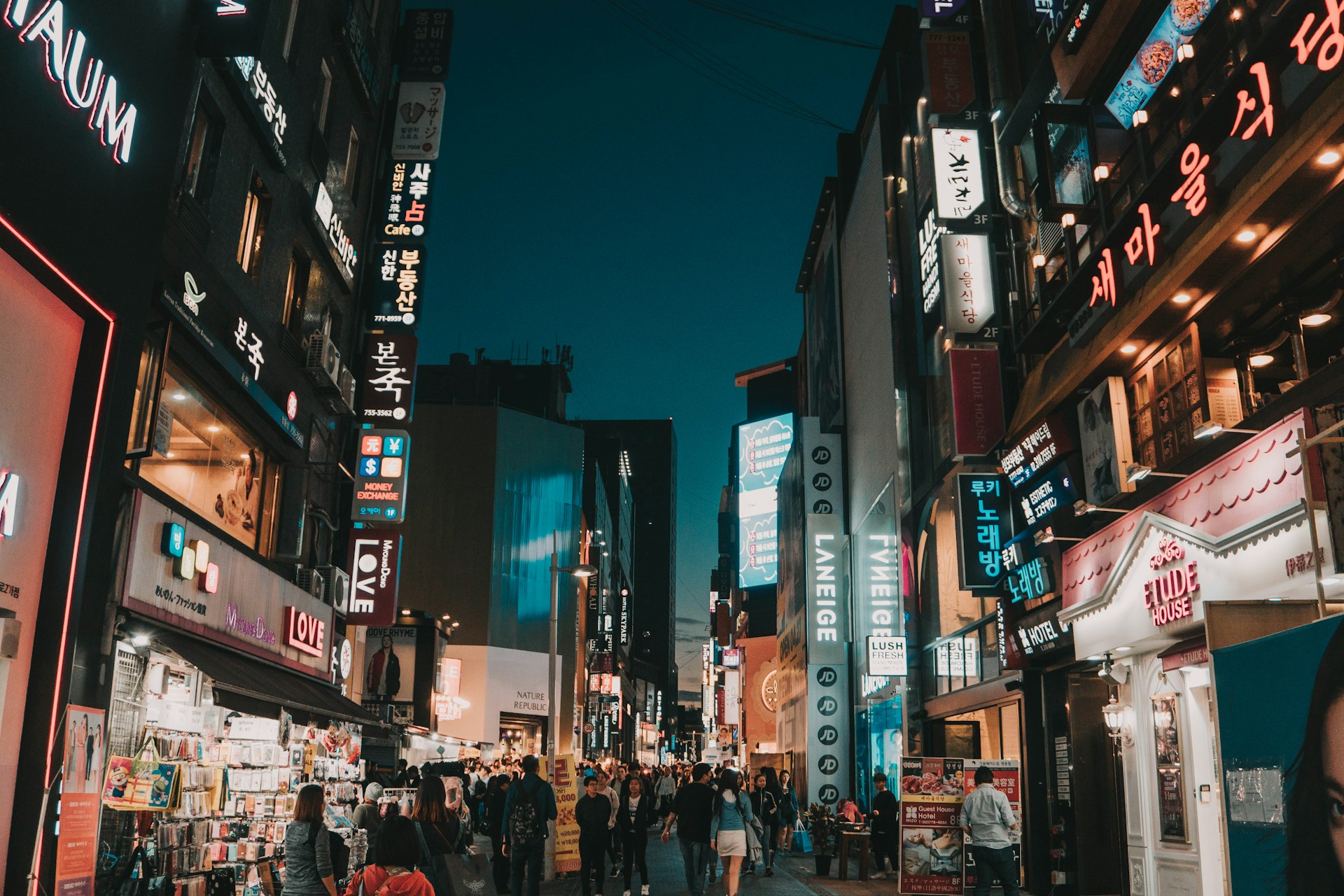
4. Myeongdong: Korean Beauty and Shopping
Myeongdong is one of Seoul’s most popular shopping districts.
The area is famous for Korean skincare, cosmetics, fashion and street food.
Visitors can explore beauty boutiques, discover popular Korean skincare products and learn about contemporary beauty trends.
Myeongdong also features restaurants, cafés and evening food stalls.
For travellers interested in K-beauty and shopping, it is an essential stop on a Seoul itinerary.
5. Busan: Coastal Culture and Korean Entertainment
Busan offers a different perspective on South Korean culture.
The city combines beautiful beaches, colourful neighbourhoods, seafood markets and contemporary entertainment.
Haeundae Beach is one of its most famous attractions, while Gamcheon Culture Village features colourful buildings and artistic streets.
Busan is also internationally recognised for the Busan International Film Festival, an important event in Asian cinema.
Travellers interested in Korean films can explore the city’s cultural attractions and film-related experiences.
Busan is an excellent destination for combining K-Culture with coastal relaxation.
6. Jeju Island: Korean Drama Scenery and Nature
Jeju Island is famous for its volcanic landscapes, beautiful beaches and peaceful countryside.
The island has appeared in numerous Korean television and film productions, contributing to its popularity among international travellers.
Visitors can explore Seongsan Ilchulbong, Hallasan National Park and scenic coastal viewpoints.
Jeju also offers traditional cultural experiences, including opportunities to learn about its famous haenyeo women divers.
It is particularly suitable for couples, families and travellers seeking a relaxing addition to a K-Culture holiday.
Best K-Culture Experiences in South Korea
Discover K-Pop Music and Dance
K-pop is one of South Korea’s most influential cultural exports.
Travellers can explore music stores, visit entertainment exhibitions and participate in K-pop dance workshops.
Selected studios offer classes where visitors can learn choreography inspired by popular Korean music.
Concerts and live performances provide memorable experiences, although tickets may require advance booking and can sell out quickly.
Explore Korean Drama Filming Locations
Korean television dramas have introduced international audiences to South Korea’s beautiful landscapes and historic attractions.
Popular sightseeing destinations include N Seoul Tower, Bukchon Hanok Village and selected Seoul neighbourhoods.
Visitors can explore locations associated with Korean television productions while enjoying the surrounding cultural attractions.
Because filming locations vary between productions, travellers should confirm the specific sites featured in their favourite dramas before planning visits.
Experience Korean Street Food
Food is an essential part of K-Culture.
Popular Korean dishes include tteokbokki, Korean fried chicken, bibimbap, bulgogi and kimchi.
Gwangjang Market in Seoul offers opportunities to sample traditional Korean foods.
Myeongdong is particularly popular for street food, while Busan provides distinctive seafood experiences.
Travellers can also join Korean cooking classes to learn how traditional dishes are prepared.
Discover Korean Beauty and Skincare
South Korea is internationally recognised for its skincare and cosmetics industry.
Visitors can explore beauty stores, discover Korean skincare routines and learn about popular products.
Myeongdong, Gangnam and Seongsu-dong are attractive destinations for beauty shopping and contemporary lifestyle experiences.
Travellers considering professional beauty treatments should select appropriately licensed providers and understand the associated risks.
Experience Korean Fashion
Korean fashion combines contemporary streetwear, designer clothing and creative personal styles.
Popular shopping areas include Hongdae, Gangnam, Myeongdong and Seongsu-dong.
Visitors can discover independent boutiques, fashion stores and contemporary Korean brands.
Wear Traditional Korean Hanbok
Although K-Culture is strongly associated with modern entertainment, traditional Korean heritage remains an important part of the experience.
Visitors can rent hanbok, traditional Korean clothing, and explore historic attractions such as Gyeongbokgung Palace.
This experience offers opportunities to appreciate Korean architecture, history and cultural traditions.
Korean Entertainment Beyond K-Pop
South Korea’s entertainment culture extends beyond music and television.
Visitors can discover interactive exhibitions, gaming cafés, contemporary art spaces and themed entertainment attractions.
Seoul’s PC bangs, or gaming cafés, provide an introduction to the country’s popular gaming culture.
Themed cafés and creative shopping spaces also reflect South Korea’s contemporary lifestyle.
Film enthusiasts may enjoy visiting cultural venues associated with Korean cinema, particularly during major film festivals.
These experiences demonstrate the diversity of modern Korean entertainment.
Best Time to Visit South Korea for K-Culture
Spring: March to May
Spring offers pleasant sightseeing conditions and beautiful cherry blossoms.
It is an excellent season for exploring Seoul’s historic attractions, shopping districts and outdoor locations.
Summer: June to August
Summer brings music events, cultural festivals and lively entertainment.
However, temperatures can be hot and humid, with periods of heavy rainfall.
Autumn: September to November
Autumn is one of the most attractive seasons for cultural travel.
Colourful foliage and generally comfortable weather create excellent conditions for sightseeing.
Winter: December to February
Winter offers festive city experiences, shopping and indoor entertainment.
Travellers can also combine K-Culture attractions with snow activities in selected mountain destinations.
Concerts, festivals and entertainment events take place throughout the year, so visitors should check individual schedules.
Suggested 7-Day K-Culture South Korea Itinerary
Day 1: Arrival in Seoul
Arrive in Seoul and settle into your accommodation.
Explore Myeongdong for Korean beauty shopping and street food.
Day 2: Gangnam and K-Pop Culture
Visit the COEX area and explore Gangnam’s modern attractions.
Consider a K-pop dance class or entertainment exhibition.
Day 3: Traditional Korean Culture
Visit Gyeongbokgung Palace and explore Bukchon Hanok Village.
Experience traditional Korean clothing or a cultural workshop.
Day 4: Hongdae and Contemporary Seoul
Explore Hongdae’s fashion boutiques, cafés and music-related attractions.
Enjoy Korean barbecue or another traditional dining experience.
Day 5: Seoul to Busan
Travel to Busan by high-speed train.
Explore Haeundae Beach and enjoy the city’s coastal atmosphere.
Day 6: Busan Cultural Discovery
Visit Gamcheon Culture Village and discover local markets.
Explore selected cultural attractions and enjoy Busan’s seafood specialities.
Day 7: Departure
Enjoy a relaxed morning before continuing to your departure destination.
Travellers with additional time can extend their holiday to Jeju Island.
This suggested itinerary can be customised according to your favourite Korean entertainment interests and preferred destinations.
Practical Tips for Planning a K-Culture Holiday
-
Book popular K-pop concerts and entertainment experiences early.
-
Confirm event dates before arranging international travel.
-
Respect privacy and access restrictions around entertainment agencies.
-
Use public transportation to explore Seoul’s major districts.
-
Consider guided cultural experiences for deeper local understanding.
-
Carry comfortable walking shoes for shopping and sightseeing.
-
Check photography restrictions at cultural attractions and performance venues.
-
Combine contemporary entertainment with traditional Korean heritage.
Frequently Asked Questions About K-Culture Travel
1. What is K-Culture?
K-Culture refers to South Korean cultural experiences, including K-pop, Korean dramas, films, cuisine, fashion, beauty and traditional heritage.
2. Which city is best for K-pop fans?
Seoul is the leading destination for K-pop enthusiasts because of its entertainment industry, music shops, cultural attractions and performance venues.
3. Can tourists visit K-pop entertainment companies?
Some companies offer public exhibitions or visitor experiences, but offices and training facilities are generally not open for casual visits.
4. Where can visitors experience Korean drama culture?
Seoul, Busan and Jeju Island offer attractions and landscapes associated with Korean television productions.
5. Is South Korea suitable for first-time international travellers?
Yes. Major destinations offer convenient transportation, established tourism facilities and a wide variety of attractions.
6. How many days are enough for a K-Culture holiday?
Seven to ten days provide a good opportunity to explore Seoul and additional destinations while enjoying music, food and cultural experiences.
Plan Your K-Culture Holiday with GlobalLink Suisse
South Korea offers an unforgettable journey through modern entertainment, traditional heritage, exciting cuisine and vibrant city life.
Whether you want to explore Seoul’s K-pop culture, discover Korean drama locations, enjoy authentic Korean food or experience the country’s famous beauty and fashion districts, South Korea provides remarkable opportunities for cultural discovery.
GlobalLink Suisse helps international travellers explore South Korea through personalised travel planning and carefully selected destinations and experiences.
Discover our South Korea tours and let us help you plan a memorable K-Culture journey tailored to your interests.