
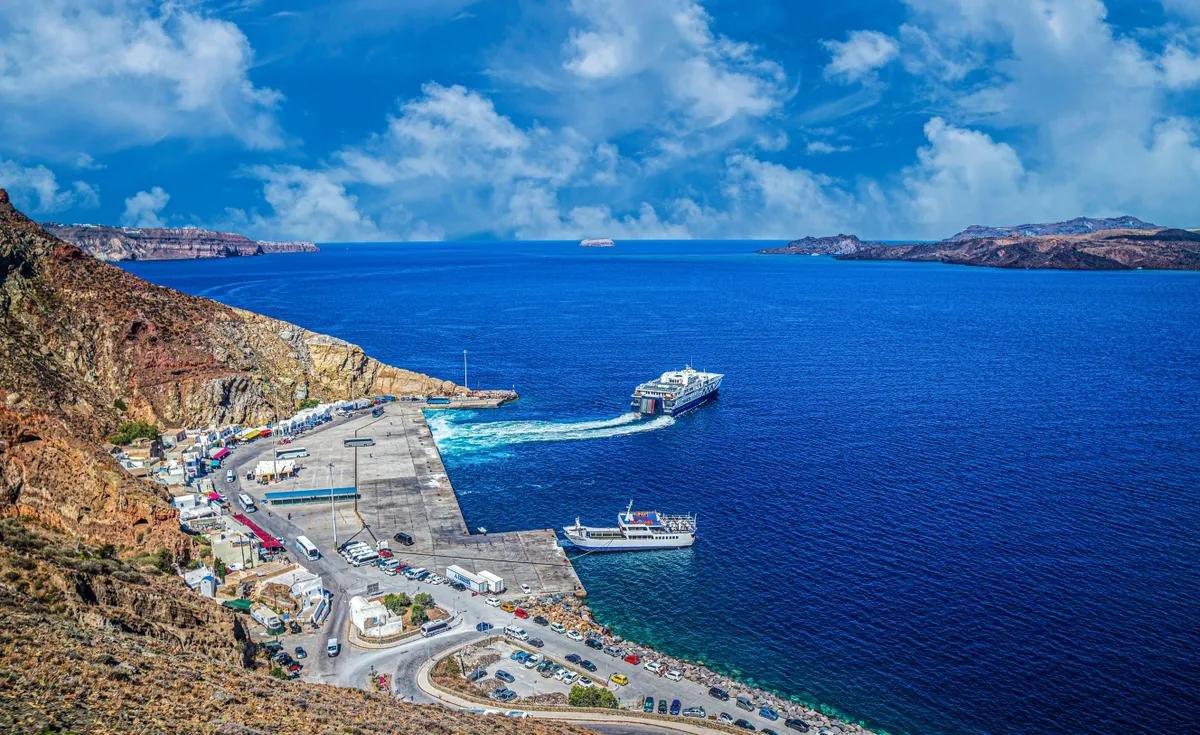
A Mediterranean cruise is an opportunity to discover some of Europe’s most fascinating coastal destinations in one journey. From historic Italian cities and the Greek Islands to the French Riviera, Croatia’s Adriatic coastline and Spain’s vibrant port cities, the Mediterranean offers a wide range of cultural, historical and scenic experiences.
Travelling by cruise allows visitors to explore several destinations without having to arrange separate flights, hotels and transfers between every stop. Each port offers something different, whether it is ancient architecture, beautiful beaches, local cuisine, traditional villages or lively waterfront districts.
A well-planned Mediterranean cruise itinerary can combine iconic destinations with smaller coastal towns, providing a varied holiday experience. The ideal route depends on the length of the cruise, the ports you wish to visit, the time of year and the experiences you want to enjoy.
Why Choose a Mediterranean Cruise?
The Mediterranean connects countries with distinct cultures, landscapes and histories. A cruise makes it possible to experience several of these destinations during a single holiday, while returning to the same ship after each day of exploration.
Some of the main reasons travellers choose a Mediterranean cruise include:
-
Multiple destinations: Visit several countries and coastal cities in one trip.
-
Cultural experiences: Explore historic landmarks, museums, archaeological sites and traditional neighbourhoods.
-
Scenic coastlines: Discover islands, beaches, harbours and mountain-backed coastal towns.
-
Regional cuisine: Experience local food traditions across Italy, Greece, Spain, France and other Mediterranean countries.
-
Convenient travel: Enjoy accommodation on board while travelling between ports.
-
Flexible experiences: Choose from guided excursions, independent sightseeing, beach visits and cultural activities.
Mediterranean cruises are suitable for different travel styles, including family holidays, romantic getaways, group travel and cultural journeys.
Popular Destinations on a Mediterranean Cruise
A Mediterranean itinerary can focus on the western Mediterranean, the eastern Mediterranean or a combination of both. Each region offers a different mix of landscapes, attractions and cultural experiences.
1. Barcelona, Spain
Barcelona is a popular departure and port destination for Mediterranean cruises. The city combines historic streets, distinctive architecture, lively markets and a Mediterranean waterfront.
Visitors can explore the Gothic Quarter, admire the architecture of Antoni Gaudí, stroll along La Rambla or spend time near the city’s beaches. Food markets, local restaurants and cultural attractions also make Barcelona an appealing destination for travellers interested in urban experiences.
A day in Barcelona can be spent exploring the city independently or joining a guided excursion focused on architecture, history or local cuisine.
2. Marseille, France
Marseille is one of France’s major Mediterranean port cities. Its historic harbour, waterfront promenades and cultural districts provide a glimpse into the region’s long maritime history.
Visitors can explore the Old Port, discover the narrow streets of Le Panier and visit landmarks such as Notre-Dame de la Garde. Depending on the time available, excursions may also explore nearby coastal scenery and towns in Provence.
Marseille offers a combination of urban sightseeing, regional food experiences and access to the southern French coastline.
3. Rome, Italy
Cruise ships visiting Rome generally dock at Civitavecchia, a port located outside the city. From there, travellers can arrange transport to explore the Italian capital.
Rome is known for its ancient monuments, historic squares, religious landmarks and world-renowned museums. The Colosseum, Roman Forum, Trevi Fountain and Vatican City are among the major attractions visitors may wish to include in their plans.
Because Rome has many significant sites spread across the city, it is important to plan shore excursions carefully and allow sufficient time to return to the port before departure.
4. Naples and the Amalfi Coast, Italy
Naples offers access to some of southern Italy’s best-known cultural and coastal attractions. Visitors can explore the city’s historic centre, sample traditional Neapolitan pizza or arrange excursions to nearby destinations.
The region also provides access to Pompeii, the archaeological site preserved by the eruption of Mount Vesuvius, and the scenic Amalfi Coast. Towns such as Positano and Amalfi are known for their colourful buildings, coastal views and winding streets.
Travellers should consider journey times and local traffic when choosing excursions from Naples, especially when visiting several destinations in one day.
5. Athens, Greece
Athens is a key destination on many eastern Mediterranean cruise itineraries. The city is closely associated with ancient Greek history and is home to important archaeological landmarks.
The Acropolis and Parthenon are among the best-known attractions, while the Plaka district offers traditional streets, shops, cafés and restaurants. Visitors can also explore museums and historic neighbourhoods to learn more about Greece’s cultural heritage.
Cruise ships generally dock at Piraeus, from where travellers can reach central Athens by arranged transport or public transit.
6. Santorini, Greece
Santorini is famous for its whitewashed buildings, blue-domed churches, volcanic landscape and views across the Aegean Sea. Its villages, including Oia and Fira, attract visitors interested in photography, local culture and coastal scenery.
Travellers can explore traditional settlements, visit viewpoints, discover local food and enjoy the island’s distinctive landscape. As Santorini is a popular cruise destination, visitor numbers can be high when several ships arrive on the same day.
It is useful to plan transport and shore activities in advance, particularly when time in port is limited.
7. Mykonos, Greece
Mykonos combines traditional Cycladic architecture with beaches, waterfront dining and a lively atmosphere. The island’s well-known windmills and narrow streets of Mykonos Town are popular places to explore.
Visitors can enjoy a relaxed walk through the town, discover local shops and cafés or arrange transport to one of the island’s beaches. Mykonos can suit travellers looking for a mixture of culture, coastal scenery and leisure.
8. Dubrovnik, Croatia
Dubrovnik is one of the Adriatic’s most recognised coastal destinations. Its historic Old Town, stone streets, city walls and views over the sea make it a popular stop on Mediterranean cruises.
Visitors can walk through the historic centre, explore churches and museums, browse local shops or enjoy the coastal scenery. The city’s historic architecture also provides insight into its importance as a maritime and trading centre.
During busy cruise periods, the Old Town can become crowded, so an early start or a carefully planned excursion may make sightseeing more comfortable.
9. Valletta, Malta
Valletta, Malta’s capital, is known for its historic architecture, fortifications, churches and scenic harbour. The city is compact compared with many other Mediterranean capitals, making it possible to explore several attractions during a port visit.
Visitors can discover the city’s historic streets, visit museums and enjoy views across the Grand Harbour. Malta’s location in the central Mediterranean also makes it a useful stop on itineraries connecting southern Europe with the eastern Mediterranean.
10. Istanbul, Türkiye
Istanbul connects Europe and Asia and offers a distinctive cultural experience on selected Mediterranean and nearby cruise itineraries. The city’s historic landmarks, mosques, bazaars and waterfront districts reflect centuries of cultural exchange.
Visitors may explore the historic peninsula, discover traditional markets or take in views along the Bosphorus. Since Istanbul is a large city, travellers should plan excursions according to the time available in port and the location of the ship.
Sample 10-Day Mediterranean Cruise Itinerary
A 10-day Mediterranean cruise can provide a balanced introduction to several European coastal destinations. The following is an illustrative itinerary to show how a journey might be structured. Actual port calls, sailing times and the order of destinations vary by cruise line and departure date.
|
Day |
Destination |
Suggested experiences |
|---|---|---|
|
Day 1 |
Barcelona, Spain |
Embarkation and time to explore the waterfront |
|
Day 2 |
At sea |
Enjoy the ship’s facilities and onboard activities |
|
Day 3 |
Marseille, France |
Discover the Old Port and historic districts |
|
Day 4 |
Livorno, Italy |
Excursion to Florence or explore nearby coastal areas |
|
Day 5 |
Rome, Italy |
Visit selected historic landmarks and cultural sites |
|
Day 6 |
Naples, Italy |
Explore Naples, Pompeii or the Amalfi Coast |
|
Day 7 |
At sea |
Relax, enjoy onboard dining and prepare for the next port |
|
Day 8 |
Athens, Greece |
Discover the Acropolis and historic neighbourhoods |
|
Day 9 |
Mykonos, Greece |
Explore the island’s town, coastline and local culture |
|
Day 10 |
Disembarkation |
Complete the cruise and continue onward travel |
This route illustrates a western-to-eastern Mediterranean journey. Not every cruise can cover these destinations within 10 days, and some itineraries may focus on a smaller geographic area to allow more time in port.
Choosing Between Western and Eastern Mediterranean Cruises
Travellers often choose between western and eastern Mediterranean itineraries based on their preferred destinations and activities.
Western Mediterranean Cruises
Western Mediterranean routes commonly include Spain, France and Italy. They may feature destinations such as Barcelona, Marseille, Rome, Naples and ports near the French Riviera.
These itineraries can appeal to visitors interested in historic cities, architecture, art, regional cuisine and coastal scenery. They may also provide access to inland destinations such as Florence and Rome, depending on the port and excursion arrangements.
Eastern Mediterranean Cruises
Eastern Mediterranean routes often include Greece, Croatia and Türkiye, with destinations such as Athens, Santorini, Mykonos, Dubrovnik and Istanbul on selected itineraries.
These cruises can offer a combination of island landscapes, archaeological sites, historic towns and coastal experiences. Some routes focus on the Greek Islands, while others connect the Adriatic and Aegean regions.
Which Route Should You Choose?
The choice depends on the places you want to explore and the pace of travel you prefer. Travellers interested in major European cities may look at western Mediterranean routes, while those drawn to Greek islands, Adriatic towns and eastern Mediterranean heritage may prefer an eastern itinerary.
Some longer cruises combine both regions, but they may involve more sailing time and shorter visits at individual ports. Reviewing the full itinerary before booking helps ensure the route matches your expectations.
Best Time to Take a Mediterranean Cruise
The Mediterranean cruise season generally extends from spring through autumn, although some cruise lines offer selected winter sailings.
Spring, from April to May: Spring can offer mild to warm weather and suitable conditions for exploring cities, archaeological sites and coastal towns. Visitor numbers are often lower than during the peak summer holiday period, though conditions can be changeable early in the season.
Summer, from June to August: Summer is a busy period for Mediterranean cruises. Warm weather and long daylight hours make it attractive for beach visits and outdoor activities. However, popular ports may be crowded, and temperatures can be high, especially in southern destinations.
Autumn, from September to October: Early autumn can offer warm conditions, and the sea may remain suitable for swimming in some destinations. It can also provide opportunities to explore popular attractions after the busiest summer weeks.
Late autumn and winter, from November to March: Cruise availability may be more limited on many routes. Temperatures can be cooler and rainfall more frequent, while some seasonal attractions and coastal businesses may operate reduced schedules.
The most suitable time depends on the itinerary, activities and weather conditions expected at each port.
What to Do During Mediterranean Shore Excursions
Shore excursions are an important part of the Mediterranean cruise experience. They allow travellers to explore destinations beyond the port and discover local attractions.
Explore Historic Landmarks
Many Mediterranean ports provide access to historic landmarks, archaeological sites, churches, palaces and museums. Guided tours can offer context about the history and culture of each destination.
Discover Local Food
Each Mediterranean country has its own culinary traditions. Travellers can sample regional dishes, visit food markets, enjoy local cafés or join food-focused excursions.
Enjoy Coastal Scenery
The region offers beaches, islands, cliffs, harbours and scenic coastal roads. Depending on the destination, visitors may choose boat trips, coastal walks or relaxed time by the sea.
Experience Local Culture
Markets, neighbourhoods, traditional crafts, music and festivals can provide insight into everyday life. Travellers who have limited time in port may benefit from choosing one or two experiences rather than trying to see everything.
Tips for Planning a Mediterranean Cruise
1. Review the Full Itinerary
Check every port of call, the time spent at each destination and whether the ship docks or uses tender boats. These details can affect how much time you have for sightseeing.
2. Consider Travel Time to Attractions
Some ports are located outside the cities they serve. For example, visiting Rome from Civitavecchia requires additional transport. Check the travel time and excursion schedule before choosing activities.
3. Book Important Excursions Early
Popular attractions and guided experiences can have limited availability, particularly during peak season. If there is a specific site or activity you want to experience, review booking options before departure.
4. Keep Your Schedule Flexible
Weather, port operations and other factors may affect cruise itineraries. Avoid making non-refundable arrangements that depend on a particular ship arrival unless the timing and terms are clear.
5. Pack for Walking and Changing Weather
Comfortable walking shoes, lightweight clothing, sun protection and a light jacket are useful for many Mediterranean itineraries. Pack according to the season and destinations on your route.
6. Check Entry and Travel Requirements
Depending on your nationality, itinerary and embarkation port, you may need visas or other travel documents. Confirm current entry requirements for every country on your route before travelling.
7. Plan Your Arrival and Departure
Consider arriving in the embarkation city ahead of the cruise and allowing sufficient time after disembarkation for onward travel. This can reduce the pressure of tight flight connections.
How to Choose the Right Mediterranean Cruise
When comparing Mediterranean cruises, look beyond the number of destinations included. Consider how long the ship stays in each port, how much time is spent at sea and whether the itinerary includes the places you most want to visit.
A shorter cruise may focus on a specific region, giving you more time to explore a smaller number of destinations. A longer cruise may cover several countries, but the pace and amount of time available at each stop can differ.
It is also useful to compare cabin options, onboard facilities, dining arrangements, excursion costs, departure ports and cancellation terms. Understanding what is included in the fare can help you estimate the overall cost of the holiday.
Frequently Asked Questions
How many days are enough for a Mediterranean cruise?
A cruise of 7 to 10 days can provide an introduction to several Mediterranean destinations. Longer itineraries may allow travellers to explore more countries or spend additional time in particular regions. The right duration depends on your budget, available holiday time and preferred pace.
Which countries can you visit on a Mediterranean cruise?
Depending on the route, Mediterranean cruises may visit Spain, France, Italy, Greece, Croatia, Malta and Türkiye, among other destinations. The countries included depend on the cruise line and itinerary.
Can you visit both Italy and Greece on one cruise?
Yes. Some Mediterranean itineraries include ports in both Italy and Greece. The number of destinations and time spent in each country depend on the length and route of the cruise.
Are Mediterranean cruises suitable for families?
Many Mediterranean cruises offer family-oriented facilities and activities. Families can choose itineraries with a suitable mix of sightseeing, beaches and onboard entertainment. It is helpful to check the ship’s facilities, excursion duration and port accessibility when travelling with children.
Do Mediterranean cruise ships stop overnight in ports?
Some itineraries include overnight stays or extended port calls, while many visit destinations for only part of a day. Check the specific cruise schedule to see how much time is available at each destination.
Is a Mediterranean cruise a good way to explore Europe?
A cruise can be a convenient way to experience several coastal destinations in one holiday. However, it offers limited time in each port compared with a land-based trip. Travellers who want to explore a city in depth may wish to add extra nights before or after the cruise.
Explore Europe’s Coastal Destinations with GlobalLink Suisse
A Mediterranean cruise offers an opportunity to experience Europe’s coastal diversity, from historic cities and cultural landmarks to island landscapes and beautiful waterfronts. With a suitable itinerary, travellers can enjoy a varied journey while discovering the character of each destination.
GlobalLink Suisse helps travellers explore international travel experiences and plan journeys around their interests. Discover Mediterranean cruise possibilities and consider an itinerary that brings together the destinations, activities and travel experiences you want from your holiday.