
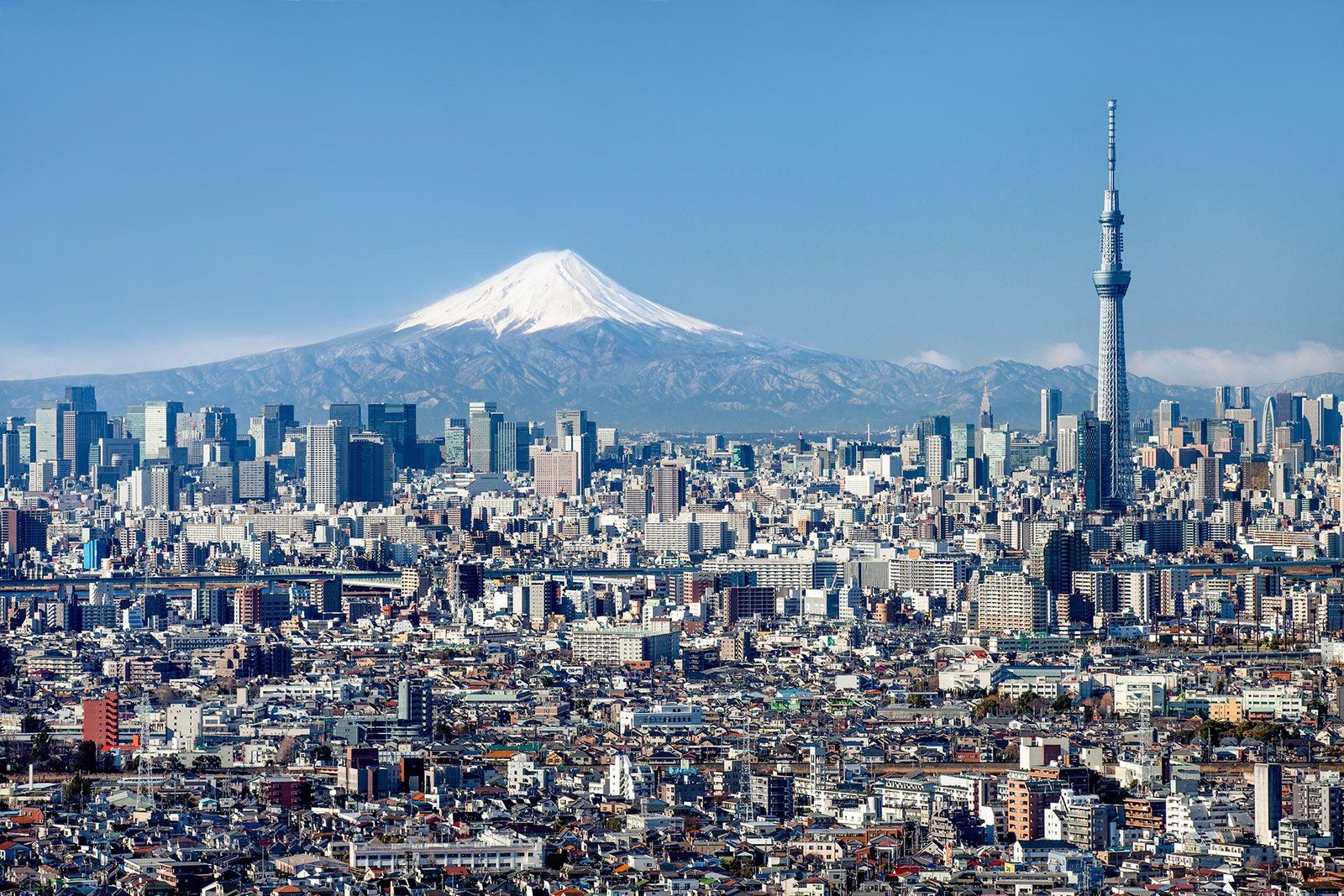
Mount Fuji is one of Japan’s most iconic landmarks and a must-visit destination for travellers seeking breathtaking natural scenery, cultural experiences and unforgettable outdoor adventures. Rising approximately 3,776 metres above sea level, Mount Fuji is Japan’s highest mountain and an internationally recognised symbol of the country.
Located southwest of Tokyo, this magnificent volcanic mountain attracts visitors from around the world who want to admire its distinctive shape, explore beautiful lakes and discover traditional Japanese culture.
From the scenic shores of Lake Kawaguchi to the famous Chureito Pagoda and the relaxing hot springs of Hakone, the Mount Fuji region offers experiences for families, couples, photographers and adventure enthusiasts.
This Mount Fuji travel guide explores the best places to visit, exciting activities and practical travel tips to help you plan a memorable Japan holiday with GlobalLink Suisse.
Why Visit Mount Fuji?
Mount Fuji combines extraordinary natural beauty with deep cultural and spiritual significance.
For centuries, the mountain has inspired Japanese artists, writers and pilgrims. Today, it forms part of the UNESCO-listed Fujisan cultural heritage site.
The surrounding region features beautiful lakes, forests, traditional villages, shrines and scenic viewpoints.
Visitors can enjoy mountain photography, sightseeing cruises, cultural attractions and outdoor adventures without necessarily climbing the mountain.
Mount Fuji is also conveniently accessible from Tokyo, making it an excellent destination for day trips or extended holidays.
Best Places to Visit Around Mount Fuji
1. Lake Kawaguchi: Spectacular Mount Fuji Views
Lake Kawaguchi is one of the most popular destinations for travellers visiting Mount Fuji.
Located within the Fuji Five Lakes region, the lake offers beautiful views of the mountain, particularly during clear weather.
Visitors can enjoy peaceful lakeside walks, sightseeing cruises and photography opportunities.
The northern shoreline is especially famous for its scenic views, with Mount Fuji rising above the surrounding landscape.
During spring, cherry blossoms create beautiful scenery, while autumn brings colourful foliage.
Lake Kawaguchi is also an excellent base for exploring nearby attractions and traditional Japanese accommodation.
2. Chureito Pagoda: Japan’s Famous Mountain Viewpoint
Chureito Pagoda is one of Japan’s most photographed attractions.
Located within Arakurayama Sengen Park near Fujiyoshida, the five-storey pagoda provides a spectacular viewpoint overlooking Mount Fuji.
The combination of traditional Japanese architecture and the mountain creates an iconic landscape.
During spring, cherry blossoms add beautiful colours to the scenery.
Autumn also offers attractive photography opportunities.
Visitors should be prepared to climb numerous steps to reach the main viewpoint.
Chureito Pagoda is particularly suitable for photographers and travellers interested in Japanese cultural landscapes.
3. Oshino Hakkai: Traditional Japanese Village Scenery
Oshino Hakkai is a beautiful cultural attraction located near Mount Fuji.
The area is famous for its clear spring-fed ponds, traditional buildings and picturesque surroundings.
Visitors can explore walking paths, admire the ponds and discover local shops offering Japanese snacks and souvenirs.
On clear days, Mount Fuji provides a spectacular backdrop.
Oshino Hakkai is an excellent destination for travellers seeking a peaceful experience that combines nature and Japanese traditions.
4. Hakone: Hot Springs and Mountain Landscapes
Hakone is one of Japan’s most popular mountain resort destinations.
Located within convenient travelling distance of Tokyo, it offers beautiful natural scenery, traditional hot springs and cultural attractions.
Visitors can enjoy Lake Ashi cruises, mountain ropeway journeys and relaxing onsen experiences.
The Hakone Ropeway provides views of volcanic landscapes around Owakudani, while selected viewpoints offer distant views of Mount Fuji when weather conditions are clear.
Hakone is particularly attractive for couples, families and travellers seeking relaxation.
5. Lake Yamanaka: Nature and Outdoor Activities
Lake Yamanaka is another beautiful destination within the Fuji Five Lakes region.
It is the largest of the five lakes by surface area and offers excellent views of Mount Fuji.
Visitors can enjoy cycling, lakeside walks, boating and seasonal outdoor activities.
The surrounding area provides a peaceful environment for nature lovers and families.
Lake Yamanaka is particularly appealing for travellers who prefer quieter experiences away from busier sightseeing locations.
6. Fujiyoshida: Culture and Local Experiences
Fujiyoshida is a city located near the northern base of Mount Fuji.
It offers a combination of traditional Japanese culture, local cuisine and beautiful mountain views.
One of its important cultural landmarks is Kitaguchi Hongu Fuji Sengen Shrine, historically associated with Mount Fuji pilgrimage routes.
Visitors can explore traditional streets, discover local restaurants and learn about the mountain’s cultural importance.
Fujiyoshida is also known for its local noodle speciality, Yoshida udon.
Best Experiences Around Mount Fuji
Enjoy Scenic Photography
Mount Fuji is one of Japan’s most photographed natural landmarks.
Popular photography locations include Lake Kawaguchi, Chureito Pagoda, Lake Yamanaka and selected viewpoints around Fujiyoshida.
Early mornings often provide favourable opportunities for clear mountain views, although visibility depends on weather conditions.
Experience Japanese Hot Springs
Traditional Japanese hot springs, known as onsen, are among the most relaxing experiences available around Mount Fuji.
Hakone and the Lake Kawaguchi area offer numerous accommodation options featuring hot spring facilities.
Some establishments provide beautiful mountain views while guests enjoy a relaxing bathing experience.
Visitors should familiarise themselves with local bathing etiquette before using communal facilities.
Explore Mount Fuji’s Hiking Routes
Mount Fuji attracts hikers and climbers interested in reaching Japan’s highest summit.
The official climbing season generally takes place during summer, although exact dates and access requirements vary by trail and year.
Climbing Mount Fuji requires proper preparation, suitable equipment and awareness of altitude and weather risks.
Travellers who prefer less demanding activities can explore walking routes around the surrounding lakes and forests.
Visit Fuji-Q Highland
Fuji-Q Highland is a popular amusement park located near Mount Fuji.
The park features roller coasters, themed attractions and entertainment experiences.
It is particularly attractive for families with older children, teenagers and adventure enthusiasts.
Visitors should check attraction restrictions and operating schedules before travelling.
Discover Japanese Food and Culture
The Mount Fuji region offers opportunities to experience traditional Japanese cuisine and hospitality.
Popular local dishes include Yoshida udon and hōtō noodles, a regional speciality featuring thick noodles and vegetables.
Visitors can also explore local markets, traditional restaurants and cultural attractions.
These experiences provide an enjoyable introduction to Japanese regional traditions.
Best Time to Visit Mount Fuji
Spring: March to May
Spring is one of the most beautiful seasons for visiting Mount Fuji.
Cherry blossoms create spectacular scenery around popular viewpoints, particularly during their blooming period.
Temperatures gradually become milder, making sightseeing enjoyable.
Summer: June to August
Summer offers green landscapes and opportunities for outdoor activities.
The official Mount Fuji climbing season generally falls within July and early September, depending on the route.
However, clouds can frequently obscure the mountain during warmer months.
Autumn: September to November
Autumn is an excellent season for photography and sightseeing.
Colourful foliage creates beautiful landscapes around Lake Kawaguchi and other nearby destinations.
Cooler temperatures make outdoor exploration comfortable.
Winter: December to February
Winter often provides clear views of Mount Fuji, with snow covering the upper mountain.
The surrounding lakes and viewpoints offer spectacular photography opportunities.
Temperatures can be very cold, particularly in mountain areas.
Suggested 3-Day Mount Fuji Itinerary
Day 1: Tokyo to Lake Kawaguchi
Travel from Tokyo towards the Mount Fuji region.
Explore Lake Kawaguchi and enjoy beautiful mountain views.
Visit nearby attractions and spend the evening relaxing at your accommodation.
Day 2: Chureito Pagoda and Oshino Hakkai
Begin the day with a visit to Chureito Pagoda.
Continue to Oshino Hakkai to discover traditional Japanese scenery and clear spring-fed ponds.
Explore Fujiyoshida and enjoy local cuisine.
Day 3: Hakone Experience
Travel towards Hakone and explore Lake Ashi.
Consider a ropeway excursion or relaxing hot spring experience.
Continue to Tokyo or your next Japan destination.
This suggested itinerary can be customised according to your interests, travel schedule and transportation arrangements.
How to Get to Mount Fuji from Tokyo
Mount Fuji and its surrounding attractions are accessible from Tokyo through several transportation options.
Travellers visiting Lake Kawaguchi can use express buses or railway connections, including services towards Kawaguchiko Station.
The journey typically takes approximately two to three hours, depending on the route and transportation service.
Hakone is accessible by train from Tokyo, with onward local transportation connecting major attractions.
Visitors should remember that Mount Fuji covers a large geographical area, and travelling between different viewpoints can require additional time.
Planning transportation carefully helps create a more enjoyable experience.
Practical Tips for Visiting Mount Fuji
-
Check weather forecasts before planning mountain viewpoints.
-
Visit popular photography locations early to avoid crowds.
-
Carry comfortable walking shoes for sightseeing.
-
Book accommodation early during cherry blossom and autumn seasons.
-
Allow sufficient time to travel between attractions.
-
Dress appropriately for changing mountain temperatures.
-
Confirm climbing regulations before attempting Mount Fuji.
-
Respect local communities, cultural sites and photography restrictions.
Frequently Asked Questions About Mount Fuji
1. Is Mount Fuji worth visiting?
Yes. Mount Fuji is one of Japan’s most iconic attractions, offering beautiful scenery, cultural landmarks, lakes and outdoor experiences.
2. What is the best place to see Mount Fuji?
Lake Kawaguchi, Chureito Pagoda and Lake Yamanaka are among the most popular viewpoints.
3. How many days do you need around Mount Fuji?
Two to three days provide a good opportunity to explore major attractions. Travellers with limited time can also visit selected destinations on a day trip from Tokyo.
4. What is the best month to visit Mount Fuji?
Spring and autumn are particularly popular for seasonal scenery, while winter often offers clear mountain views.
5. Can you visit Mount Fuji without climbing it?
Yes. Many visitors enjoy Mount Fuji from surrounding lakes, viewpoints, shrines and scenic attractions without climbing the mountain.
6. Is Mount Fuji suitable for families?
Yes. The surrounding region offers family-friendly attractions, lake cruises, cultural experiences and amusement parks.
Plan Your Mount Fuji Holiday with GlobalLink Suisse
Mount Fuji offers an unforgettable combination of spectacular mountain scenery, traditional Japanese culture, beautiful lakes and exciting travel experiences.
Whether you want to admire the mountain from Lake Kawaguchi, explore Chureito Pagoda, discover Oshino Hakkai or relax in Hakone’s hot springs, the region provides memorable experiences for every traveller.
GlobalLink Suisse helps international travellers explore Japan through personalised travel planning and carefully selected destinations.
Discover our Japan tours and let us help you plan a memorable Mount Fuji adventure.
Visit https://globalinksuisse.com to start planning your Japan holiday.