
Japan is one of Asia’s most fascinating travel destinations, offering an extraordinary combination of ancient traditions, modern cities, historic landmarks and unforgettable cultural experiences. For travellers interested in discovering Japan’s rich heritage, a journey through Osaka, Kyoto and Hiroshima provides an excellent introduction to the country’s history, culture and lifestyle.
Each destination offers something unique. Osaka is famous for its vibrant streets, delicious cuisine and lively entertainment districts. Kyoto is celebrated for its ancient temples, traditional gardens and Japanese cultural heritage, while Hiroshima offers important historical landmarks, peaceful gardens and meaningful cultural experiences.
Together, these three cities create an unforgettable Japanese cultural journey.
This Osaka Kyoto Hiroshima travel guide explores the best attractions, cultural experiences and practical travel tips to help you plan your Japan holiday with GlobalLink Suisse.
Why Visit Osaka, Kyoto and Hiroshima?
Osaka, Kyoto and Hiroshima offer a wonderful opportunity to experience different aspects of Japanese culture within one journey.
Osaka introduces travellers to contemporary Japanese city life, energetic shopping districts and distinctive regional cuisine.
Kyoto provides an opportunity to explore historic temples, traditional architecture, peaceful gardens and cultural traditions preserved over centuries.
Hiroshima combines modern city attractions with important historical sites dedicated to peace and remembrance.
Another advantage is Japan’s efficient railway network. High-speed trains and regional railway services make travelling between these destinations convenient.
Visitors can explore all three cities within approximately seven to ten days, depending on their interests and preferred travel pace.
1. Osaka: Discover Japan’s Vibrant Cultural City
Osaka is one of Japan’s largest cities and a popular destination for travellers seeking food, entertainment and cultural attractions.
Known for its friendly atmosphere and energetic streets, Osaka offers an exciting introduction to Japanese urban life.
Explore Osaka Castle
Osaka Castle is one of the city’s most famous historic landmarks.
Surrounded by attractive gardens and parkland, the castle played an important role in Japan’s history.
Visitors can explore the castle museum, discover historical exhibitions and enjoy views of the surrounding city.
The castle grounds are particularly beautiful during cherry blossom season.
Experience Dotonbori
Dotonbori is Osaka’s famous entertainment and dining district.
The area is known for colourful illuminated signs, lively streets, restaurants and shopping attractions.
Visitors can sample popular Osaka dishes, explore local shops and experience the city’s energetic atmosphere.
Dotonbori is particularly attractive in the evening when its famous signs illuminate the surrounding streets.
Discover Osaka’s Food Culture
Osaka is widely recognised as one of Japan’s leading culinary destinations.
Popular local specialities include takoyaki, small savoury balls typically filled with octopus, and okonomiyaki, a Japanese savoury pancake.
Visitors can explore traditional markets, street food stalls and restaurants offering authentic regional cuisine.
Kuromon Market is another popular destination for discovering Japanese food culture.
Visit Universal Studios Japan
Families and entertainment enthusiasts may enjoy Universal Studios Japan.
The theme park features attractions inspired by popular films, games and entertainment franchises.
Visitors should check ticket availability, attraction restrictions and operating schedules before travelling.
2. Kyoto: Explore Traditional Japanese Heritage
Kyoto is one of Japan’s most culturally significant destinations.
As Japan’s former imperial capital, the city is famous for its historic temples, traditional shrines, beautiful gardens and preserved architecture.
Kyoto provides an excellent opportunity to experience the country’s cultural traditions.
Visit Fushimi Inari Shrine
Fushimi Inari Taisha is one of Kyoto’s most recognisable landmarks.
The shrine is famous for its thousands of vermilion torii gates, which form pathways through the wooded slopes of Mount Inari.
Visitors can explore the shrine grounds and enjoy peaceful walking routes.
The destination is particularly attractive for photography and cultural sightseeing.
Explore Kinkaku-ji: The Golden Pavilion
Kinkaku-ji is one of Kyoto’s most famous Buddhist temples.
Its golden exterior reflects beautifully in the surrounding pond, creating a memorable landscape.
Visitors can explore the designated garden paths and admire traditional Japanese landscaping.
Kinkaku-ji is an essential attraction for travellers interested in Kyoto’s architectural heritage.
Discover Arashiyama Bamboo Grove
Arashiyama is a beautiful district located on Kyoto’s western side.
Its famous bamboo grove features towering bamboo stalks along scenic walking paths.
Visitors can also explore nearby temples, gardens and the Togetsukyo Bridge.
Arashiyama is particularly attractive for nature lovers and photographers.
Experience Gion
Gion is one of Kyoto’s best-known traditional districts.
The area features historic wooden buildings, traditional restaurants and streets associated with Kyoto’s geisha culture.
Visitors can explore the district while respecting local residents and photography restrictions.
Cultural experiences such as tea ceremonies provide additional opportunities to learn about Japanese traditions.
3. Hiroshima: History, Peace and Cultural Discovery
Hiroshima is an important destination for travellers interested in Japanese history and cultural understanding.
The city is internationally recognised for its history during the Second World War and its commitment to promoting peace.
Today, Hiroshima is a modern city offering museums, gardens, local cuisine and historic attractions.
Visit Hiroshima Peace Memorial Park
Hiroshima Peace Memorial Park is one of Japan’s most meaningful historical destinations.
The park commemorates the victims of the atomic bombing of August 6, 1945, and promotes the importance of peace.
Visitors can explore memorial monuments and peaceful landscaped areas.
The experience provides an opportunity for reflection and learning.
Explore the Hiroshima Peace Memorial Museum
The Hiroshima Peace Memorial Museum presents historical information, personal accounts and exhibitions relating to the atomic bombing.
The museum offers an educational experience that encourages visitors to reflect on the human consequences of war.
Travellers should allow sufficient time to explore the exhibitions respectfully.
Discover Hiroshima Castle
Hiroshima Castle is another important cultural attraction.
Originally constructed in the late sixteenth century, the castle was destroyed during the atomic bombing and later reconstructed.
Visitors can explore the surrounding grounds and learn about the city’s earlier history.
Experience Hiroshima’s Local Cuisine
Hiroshima offers distinctive regional food experiences.
One of its most famous dishes is Hiroshima-style okonomiyaki, which typically features layered ingredients including cabbage, noodles and savoury toppings.
Visitors can discover this local speciality at restaurants throughout the city.
4. Visit Miyajima Island
Miyajima Island is one of the most beautiful destinations near Hiroshima.
Officially known as Itsukushima, the island is famous for its historic shrine, scenic landscapes and traditional atmosphere.
Explore Itsukushima Shrine
Itsukushima Shrine is recognised as a UNESCO World Heritage Site.
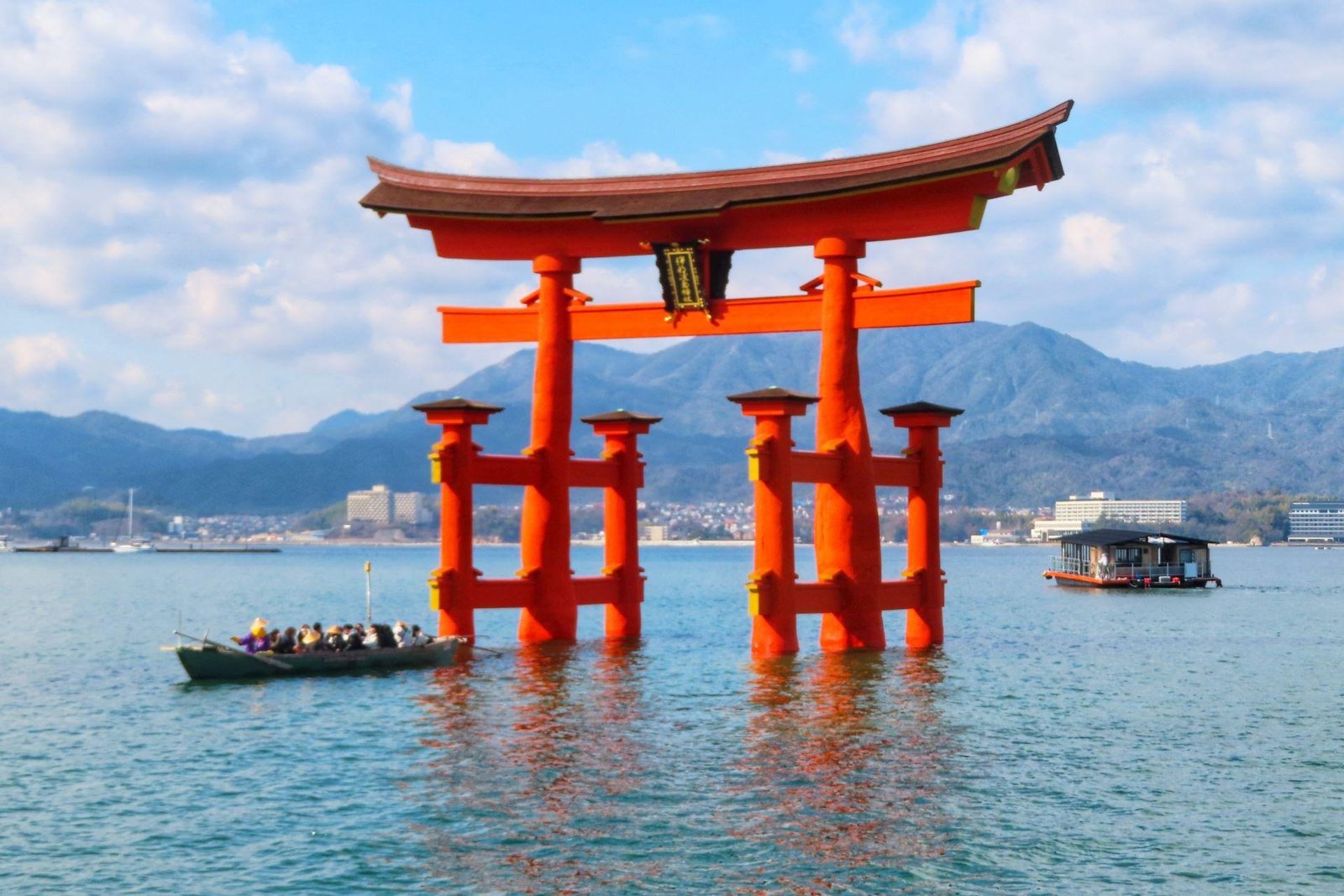
Its famous torii gate stands in the coastal waters and creates one of Japan’s most iconic views.
The appearance of the gate changes with the tides, offering different photography opportunities.
Discover Mount Misen
Mount Misen offers beautiful views of the Seto Inland Sea and surrounding islands.
Visitors can explore designated hiking routes or use the ropeway for part of the ascent, subject to operating conditions.
Miyajima is an excellent addition to a Hiroshima itinerary and can be explored on a day trip.
Best Cultural Experiences in Osaka, Kyoto and Hiroshima
Traditional Japanese Tea Ceremony
Kyoto offers opportunities to experience traditional Japanese tea ceremonies.
These cultural activities introduce visitors to Japanese hospitality, etiquette and the preparation of matcha tea.
Japanese Culinary Experiences
Food is an important part of Japanese culture.
Travellers can explore local markets, join cooking experiences and sample regional specialities.
Osaka and Hiroshima are particularly attractive for discovering distinctive Japanese dishes.
Historic Temples and Shrines
Japan’s temples and shrines provide insights into the country’s spiritual and architectural traditions.
Kyoto offers numerous historic landmarks, while Miyajima provides a beautiful combination of cultural heritage and natural scenery.
Scenic Railway Journeys
Japan’s railway network makes travelling between cities convenient and enjoyable.
The Shinkansen high-speed railway connects major destinations, allowing travellers to experience Japan’s modern transportation infrastructure.
Best Time to Visit Osaka, Kyoto and Hiroshima
Spring: March to May
Spring is one of the most popular seasons for visiting Japan.
Cherry blossoms create beautiful scenery around temples, parks and historic attractions.
Summer: June to August
Summer offers cultural festivals and lively city experiences.
However, temperatures can be hot and humid, particularly in Osaka and Kyoto.
Autumn: September to November
Autumn is an excellent season for cultural sightseeing.
Colourful foliage creates beautiful landscapes around Kyoto’s temples and gardens, especially later in the season.
Winter: December to February
Winter generally brings fewer crowds to some attractions and provides opportunities for peaceful cultural exploration.
Temperatures can be cold, particularly during mornings and evenings.
Suggested 8-Day Osaka, Kyoto and Hiroshima Itinerary
Day 1: Arrival in Osaka
Arrive in Osaka and settle into your accommodation.
Explore Dotonbori and enjoy local Japanese cuisine.
Day 2: Osaka City Discovery
Visit Osaka Castle, explore Kuromon Market and discover the city’s shopping and cultural attractions.
Day 3: Osaka to Kyoto
Travel to Kyoto and explore Fushimi Inari Shrine.
Spend the evening discovering traditional Kyoto streets.
Day 4: Kyoto Cultural Experience
Visit Kinkaku-ji and explore Arashiyama Bamboo Grove.
Consider a traditional Japanese tea ceremony.
Day 5: Kyoto Heritage Discovery
Explore additional temples, historic districts and traditional gardens.
Enjoy the atmosphere of Gion while respecting local access and photography rules.
Day 6: Kyoto to Hiroshima
Travel to Hiroshima by train.
Visit Peace Memorial Park and the Peace Memorial Museum.
Day 7: Miyajima Island Excursion
Take a day trip to Miyajima Island.
Explore Itsukushima Shrine and enjoy the surrounding coastal scenery.
Day 8: Departure
Enjoy a relaxed morning before continuing to your departure airport or next Japan destination.
This suggested itinerary can be customised according to your travel preferences and available time.
How to Travel Between Osaka, Kyoto and Hiroshima
Japan’s railway network provides convenient transportation between these destinations.
Osaka and Kyoto are connected by frequent regional and high-speed railway services.
The journey between central Osaka and Kyoto typically takes approximately 30 to 60 minutes using common rail connections, depending on the stations and service selected.
Travelling between Osaka and Hiroshima by Shinkansen generally takes around one and a half hours.
Visitors should compare individual railway tickets with available regional transportation passes.
Not every Shinkansen service is covered by every rail pass, so checking the applicable conditions before booking is important.
Practical Tips for Travelling Through Japan
-
Book accommodation early during cherry blossom and autumn travel seasons.
-
Use public transportation for convenient city travel.
-
Respect local customs when visiting temples and shrines.
-
Wear comfortable walking shoes for sightseeing.
-
Check attraction opening hours before travelling.
-
Allow sufficient time to explore historical museums.
-
Consider luggage storage or forwarding services between cities.
-
Learn basic Japanese greetings to enhance your cultural experience.
Frequently Asked Questions About Osaka, Kyoto and Hiroshima
1. Is it worth visiting Osaka, Kyoto and Hiroshima in one trip?
Yes. These destinations offer different cultural experiences and are conveniently connected by Japan’s railway network.
2. How many days do you need for Osaka, Kyoto and Hiroshima?
Seven to ten days provide a good opportunity to explore major attractions without rushing.
3. Which city is best for traditional Japanese culture?
Kyoto is particularly famous for its historic temples, shrines, traditional architecture and cultural experiences.
4. What is Osaka famous for?
Osaka is famous for its food culture, lively entertainment districts, Osaka Castle and modern attractions.
5. Is Hiroshima worth visiting?
Yes. Hiroshima offers important historical landmarks, cultural attractions and access to beautiful Miyajima Island.
6. What is the best way to travel between these cities?
Japan’s railway network, including Shinkansen services, provides convenient transportation between Osaka, Kyoto and Hiroshima.
Plan Your Japan Cultural Journey with GlobalLink Suisse
Osaka, Kyoto and Hiroshima offer an unforgettable combination of Japanese culture, historic landmarks, delicious cuisine and meaningful travel experiences.
Whether you want to explore Osaka’s vibrant streets, discover Kyoto’s ancient temples or learn about Hiroshima’s history, these destinations provide a rewarding introduction to Japan.
GlobalLink Suisse helps international travellers explore Japan through personalised travel planning and carefully selected cultural experiences.
Discover our Japan tours and let us help you plan a memorable journey through Osaka, Kyoto and Hiroshima.