
7-Day South Korea Highlights Tour: Seoul, Busan and Gyeongju
Discover the contrasts of South Korea on this 7 day South Korea tour, combining the energy of Seoul, the coastal atmosphere of Busan and the historical treasures of Gyeongju. This seven-day journey introduces travellers to a country where centuries-old palaces, traditional neighbourhoods and UNESCO-listed heritage sit alongside contemporary architecture, vibrant shopping districts and an internationally recognised food culture.
Explore Seoul’s royal landmarks and lively urban neighbourhoods, experience Busan’s beaches and maritime character, and discover Gyeongju, often associated with the legacy of the ancient Silla Kingdom. The suggested itinerary balances sightseeing, cultural discovery, local cuisine and opportunities to explore at your own pace.
Whether visiting South Korea for the first time, travelling as a couple or planning a cultural holiday, this itinerary provides a rewarding introduction to three of the country’s most distinctive destinations.
Tour Overview
This seven-day South Korea holiday connects three destinations that reveal different aspects of the country’s identity. Beginning in Seoul, the journey introduces visitors to the capital’s royal history, contemporary lifestyle and distinctive neighbourhoods. From grand palace complexes to modern shopping streets, Seoul offers an engaging introduction to Korean culture and everyday life.
The journey continues south to Busan, South Korea’s second-largest city and an important coastal destination. Known for its beaches, seafood markets, scenic waterfront and hillside communities, Busan offers a different atmosphere from the capital. Travellers can discover its coastal scenery, explore traditional markets and experience the city’s relaxed seaside character.
The final destination is Gyeongju, a city closely connected with the history of the Silla Kingdom. Its ancient tombs, Buddhist heritage, historic temples and archaeological sites provide a fascinating contrast to the modern cities visited earlier in the tour.
Designed as a balanced cultural and sightseeing experience, this South Korea tour package is suitable for travellers who want to explore the country’s principal highlights without attempting to cover too many destinations in a short period. Transportation arrangements, accommodation standards and the final sightseeing programme can be discussed with GlobalLink Suisse when planning the trip.
Tour Highlights
Explore Seoul’s royal heritage at Gyeongbokgung Palace and discover the traditional architecture of Bukchon Hanok Village.
Experience the contrast between modern Seoul, its shopping districts, traditional markets and historic neighbourhoods.
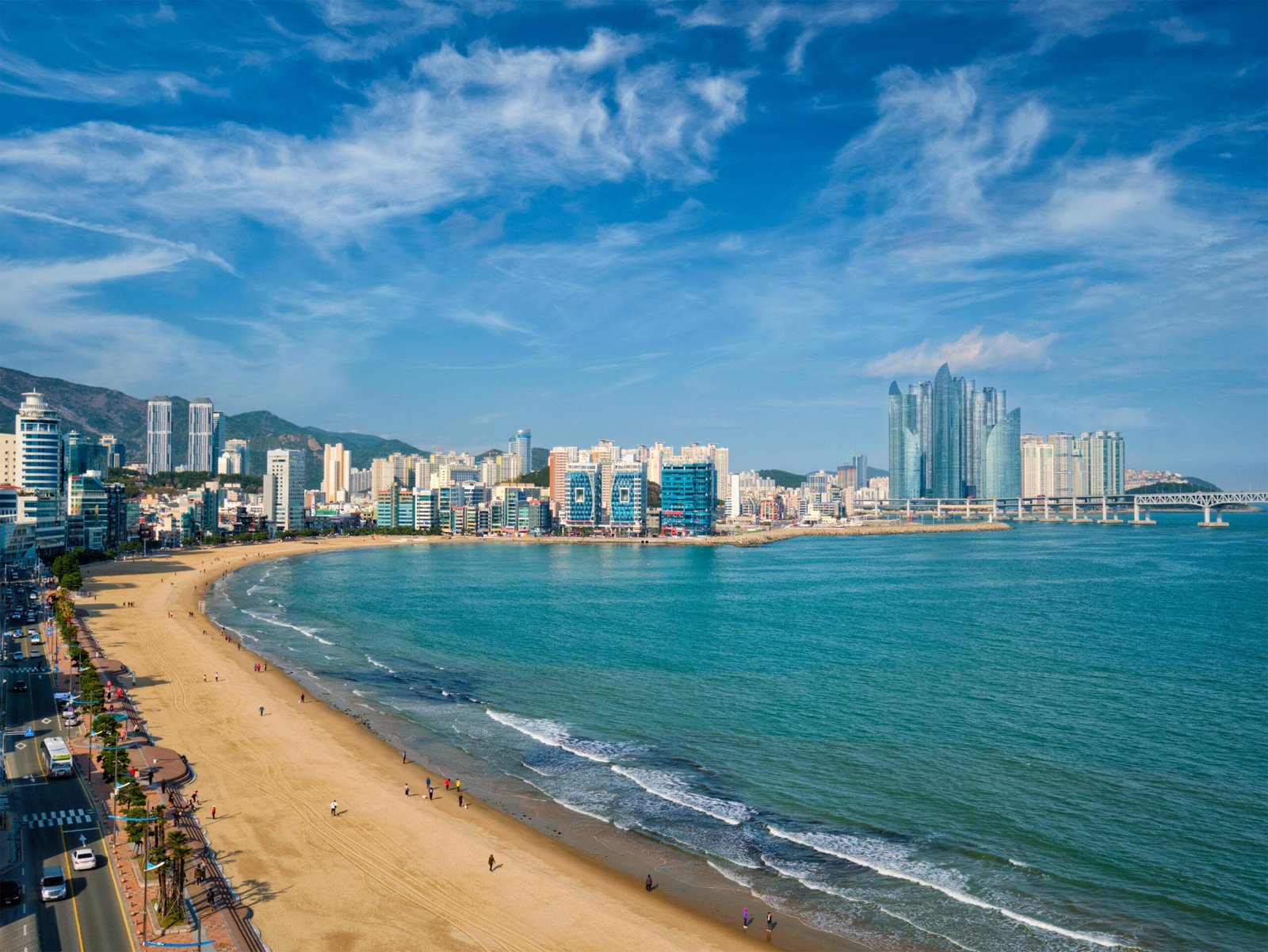
Discover Busan’s coastal character, including Haeundae Beach and the city’s scenic waterfront.
Visit Gamcheon Culture Village, known for its colourful hillside houses, artistic installations and winding streets.
Experience Busan’s seafood culture and browse the lively atmosphere of Jagalchi Fish Market.
Discover Gyeongju’s Silla heritage through its ancient royal tombs and historic monuments.
Explore Bulguksa Temple, an important landmark of Korean Buddhist architecture.
Enjoy a varied introduction to Korean cuisine, traditions, city life and coastal scenery.
Places You'll See


Tour Itinerary
Day 1 – Arrival in Seoul
Arrive in Seoul, South Korea's dynamic capital. Depending on the selected package, transfer arrangements can be organised from the airport to your accommodation. After check-in, enjoy time to rest following your international journey.
If time permits, take a gentle introduction to the city by exploring a nearby neighbourhood, enjoying a Korean meal or visiting one of Seoul's lively shopping and dining districts. The evening is at leisure, allowing you to settle into the atmosphere of the Korean capital.
Day 2 – Seoul Royal Heritage & Traditional Neighbourhoods
Begin exploring Seoul's historical side with a suggested visit to Gyeongbokgung Palace, the largest of the five grand palaces built during the Joseon Dynasty. Its impressive gates, courtyards and traditional architecture provide an insight into Korea's royal past.
Continue towards Bukchon Hanok Village, where traditional Korean houses known as hanok line narrow streets between modern city districts. The area offers an opportunity to appreciate traditional architecture and the relationship between historic and contemporary Seoul.
Depending on the final programme, continue to Insadong, a popular neighbourhood for traditional crafts, galleries, tea houses and cultural shopping. Return to your accommodation after a day of historical and cultural exploration.
Day 3 – Modern Seoul & City Discovery
Discover another side of Seoul through its modern attractions, shopping areas and contemporary neighbourhoods. Suggested experiences include Myeongdong, known for its shopping streets, beauty stores and street food, or the lively commercial districts around Hongdae.
Travellers interested in modern Korean culture may also explore areas associated with contemporary entertainment, fashion and lifestyle. Alternatively, visit N Seoul Tower for panoramic views across the capital, subject to the final sightseeing arrangements.
Enjoy time to experience Korean cuisine, browse local shops or explore the city independently before preparing for the next stage of the journey.
Day 4 – Seoul to Busan: Coastal South Korea
Travel from Seoul to Busan using an appropriate intercity transportation arrangement, with high-speed rail being a practical option subject to availability and the selected package.
On arrival, discover the coastal character of South Korea's second-largest city. Suggested sightseeing may include Haeundae Beach, one of Busan's best-known seaside areas, where the beach, waterfront promenade and surrounding modern developments create a distinctive urban coastal setting.
Enjoy the opportunity to sample local seafood or explore nearby dining areas. The remainder of the day can be spent at leisure, taking in Busan's relaxed seaside atmosphere.
Day 5 – Busan Coastal Attractions & Cultural Discovery
Continue exploring Busan with a suggested visit to Gamcheon Culture Village. Built along a hillside, the neighbourhood is recognised for its colourful houses, narrow lanes, murals and artistic features. It provides an interesting perspective on the city's community history and urban development.
Proceed to Jagalchi Fish Market, one of South Korea's best-known seafood markets, where visitors can observe the local fishing and seafood trade. Depending on preferences, additional time can be allocated to exploring the surrounding market streets and sampling regional specialities.
Other possible experiences include Gwangalli Beach, the scenic waterfront or Haedong Yonggungsa Temple, a Buddhist temple overlooking the sea. The day's final activities will depend on the selected sightseeing arrangements.
Day 6 – Busan to Gyeongju: Discover the Ancient Silla Kingdom
Travel from Busan to Gyeongju, a destination celebrated for its extraordinary concentration of historical and archaeological sites.
Begin exploring the city's Silla heritage with a suggested visit to Daereungwon Tomb Complex, where large grassy burial mounds mark the resting places of ancient rulers and members of the royal elite.
Continue to the historic areas around Cheomseongdae, an ancient astronomical observatory and one of Korea's most recognised historical structures. A visit to Donggung Palace and Wolji Pond is another highlight, particularly for travellers interested in traditional Korean architecture and historic landscapes.
The day provides a fascinating introduction to Gyeongju's importance as a former capital of the Silla Kingdom.
Day 7 – Gyeongju Heritage Discovery & Departure
Depending on departure arrangements, enjoy a final cultural experience in Gyeongju. A suggested visit to Bulguksa Temple offers an opportunity to appreciate one of South Korea's most significant Buddhist monuments and an important example of traditional Korean architecture.
Where time permits, explore additional historical sites or enjoy a relaxed walk through the city's heritage areas.
Proceed with the planned departure arrangements. Depending on the selected travel package and onward flight schedule, transfers to an appropriate airport or onward transportation connection can be organised.
The journey concludes with a varied introduction to South Korea, combining the royal history of Seoul, the coastal attractions of Busan and the ancient heritage of Gyeongju.
Destinations & Experiences
1. Seoul – Royal Heritage & Contemporary Lifestyle
Seoul combines royal palaces, traditional neighbourhoods, modern architecture and vibrant shopping districts. Highlights include Gyeongbokgung Palace, Bukchon Hanok Village, Insadong, Myeongdong and N Seoul Tower. It is an excellent starting point for understanding South Korea's history and modern culture.
Five reasons to work remotely in Busan, South Korea | National Geographic
2. Busan – Beaches, Markets & Coastal Culture
Busan offers a contrasting experience through its beaches, seafood markets, coastal temples and hillside communities. Haeundae Beach, Gamcheon Culture Village, Jagalchi Fish Market and Haedong Yonggungsa Temple are among its best-known attractions.
Busan: 7 Highlights Gyeongju City One Day Small Group Tour | GetYourGuide
3. Gyeongju – Ancient Kingdoms & UNESCO Heritage
Gyeongju was the capital of the Silla Kingdom for nearly a millennium. Its historic sites, royal tombs, temples and archaeological remains provide a deeper understanding of Korean civilisation. Bulguksa Temple and the surrounding historic areas are particularly rewarding for cultural travellers.
Culture, Food & Local Experiences
South Korean culture brings together traditional customs and contemporary influences. In Seoul, visitors can discover royal architecture, traditional hanok houses, cultural markets and neighbourhoods associated with modern Korean entertainment, fashion and beauty.
Food is an important part of the experience. Travellers can sample Korean favourites such as:
Kimchi: Fermented vegetables, commonly served as a side dish.
Bibimbap: A rice dish served with vegetables, meat or other toppings and gochujang sauce.
Bulgogi: Thinly sliced marinated beef, traditionally grilled or cooked.
Korean barbecue: A popular dining experience involving grilled meats and accompanying side dishes.
Tteokbokki: Rice cakes cooked in a spicy sauce.
Seafood specialities: Particularly worth exploring in Busan, where the city's coastal location influences its food culture.
Traditional markets offer opportunities to observe everyday Korean life, discover local ingredients and sample regional dishes. Travellers may also encounter tea houses, cultural performances and seasonal celebrations, depending on the time of travel.
Who This Tour Is For
This seven-day South Korea itinerary is suitable for:
Couples: A varied holiday combining cultural attractions, coastal scenery and opportunities for relaxed exploration.
First-time visitors: An introduction to three important destinations without an overly extensive travel schedule.
Cultural travellers: Particularly those interested in Korean history, Buddhist heritage, traditional architecture and ancient kingdoms.
Families: A varied programme of city exploration, beaches, markets and historical attractions, subject to the ages and interests of the children.
Solo travellers: An opportunity to discover South Korea's major destinations through a structured travel programme.
Senior travellers: A cultural itinerary that can be adapted to preferred walking distances, transport arrangements and sightseeing pace.
Best Time to Visit South Korea
South Korea is a year-round destination, although the experience varies considerably by season.
Home
Spring (March–May)
Highly recommended
Spring is one of the most attractive periods for sightseeing. Temperatures become milder, cherry blossoms appear in many areas and outdoor exploration is generally comfortable. April is particularly popular for spring flowers.
Summer brings warmer temperatures, humidity and a rainy season that generally falls around June and July. Busan's beaches become especially popular, although visitors should prepare for occasional heavy rain and hot conditions.
불국사 주지 선거에 사찰 공금 5억 빼내 사용했다는 주장 나와 파문
Autumn (September–November)
Highly recommended
Autumn is excellent for city sightseeing and cultural exploration. Cooler temperatures and colourful foliage create attractive scenery around Gyeongju's historic sites and South Korea's parks.
Winter can be cold, particularly in Seoul and inland areas. Travellers can enjoy quieter sightseeing periods and seasonal winter scenery, but warm clothing and suitable footwear are essential.
Our recommendation: April–May and September–October are particularly suitable for this multi-city itinerary because they generally offer comfortable conditions for walking, sightseeing and exploring outdoor attractions.
Travel Information
Passport and visa requirements: Travellers should hold a valid passport meeting South Korea's entry requirements. Visa requirements depend on nationality, passport type, travel purpose and current immigration regulations. Some nationalities may qualify for visa-free entry, while others require a visa. Check the latest requirements before departure.
Currency: The official currency is the South Korean won (KRW). Credit and debit cards are widely accepted in cities, although carrying some cash is useful for smaller purchases and traditional markets.
Language: Korean is the official language. English is understood in many major tourist areas, hotels and transport hubs, although having destination names written in Korean can be helpful when travelling independently.
Local transportation: South Korea has an efficient public transport network. Seoul and Busan have extensive metro systems, while high-speed rail connects Seoul with Busan. Intercity transport arrangements for Gyeongju should be planned according to the final itinerary.
Weather and clothing: Pack according to the season. Comfortable walking shoes are recommended throughout the year, particularly when exploring palace grounds, traditional neighbourhoods and historical sites.
Electricity: South Korea generally uses Type C and Type F electrical sockets, with a standard voltage of 220V and frequency of 60Hz. Travellers should check their device compatibility and bring an appropriate adapter.
Time zone: South Korea operates on Korea Standard Time (KST), UTC+9.
Travel insurance: Comprehensive travel insurance covering medical expenses, trip interruptions, cancellations and baggage is recommended.
Frequently Asked Questions
1. What is the best time to book a 7 day South Korea tour?
Spring (April–May) and autumn (September–October) are particularly attractive for visiting Seoul, Busan and Gyeongju. Booking ahead is advisable, especially during cherry blossom season and major holiday periods.
2. How many days do you need to explore South Korea?
Seven days provides a good introduction to South Korea's main highlights. This itinerary covers Seoul, Busan and Gyeongju, although a longer holiday would allow more time for destinations such as Jeju Island, Jeonju and the Korean countryside.
3. What is included in a South Korea tour package?
Inclusions depend on the selected package. Accommodation, transportation, sightseeing, transfers, guide services and meals can be discussed when requesting a quotation. All confirmed inclusions will be outlined in the final proposal.
4. Is South Korea suitable for first-time visitors?
Yes. South Korea has developed transport infrastructure, well-known tourist attractions and a diverse range of cultural experiences. Seoul, Busan and Gyeongju provide an excellent introduction to the country.
5. Can this 7-day South Korea tour be customized?
Yes. Travellers can discuss adjustments to travel dates, accommodation preferences, sightseeing arrangements and additional destinations with GlobalLink Suisse, subject to availability and the selected arrangements.
Why Travel with GlobalLink Suisse?
GlobalLink Suisse provides international travel planning for travellers interested in discovering destinations through thoughtfully organised travel experiences. Our approach focuses on understanding each traveller's interests, preferred travel style and expectations before developing suitable travel arrangements.
For a South Korea holiday, this means bringing together the country's different experiences in a practical itinerary. From Seoul's royal landmarks and contemporary lifestyle to Busan's coastal attractions and Gyeongju's ancient heritage, the journey can be planned around the destinations and experiences that matter most to you.
Whether travelling from Switzerland or another international departure point, GlobalLink Suisse offers a point of contact for discussing itinerary options, accommodation preferences, transportation arrangements and travel requirements. Our aim is to help travellers make informed decisions and develop a journey that reflects their expectations.
Customize Your Journey
The seven-day itinerary provides a suggested framework for discovering South Korea. Your travel arrangements can be discussed with GlobalLink Suisse to establish a programme that suits your preferred dates, interests and budget.
When enquiring, you may wish to discuss:
Travel dates: Choose your preferred departure period and travel season.
Duration: Consider extending the holiday to include additional destinations or more leisure time.
Group size: Discuss arrangements for couples, families, friends or private groups.
Accommodation: Specify your preferred hotel category and comfort level.
Sightseeing: Prioritise cultural attractions, historical landmarks, shopping, cuisine or coastal experiences.
Additional destinations: Consider extending the journey to Jeju Island, Jeonju or other parts of South Korea.
Special requirements: Communicate dietary preferences, mobility considerations and other travel needs.
GlobalLink Suisse can review your preferences and discuss the available arrangements before preparing a suitable travel proposal.
Plan Your 7-Day South Korea Holiday with GlobalLink Suisse
Ready to discover Seoul, Busan and Gyeongju?
Explore South Korea's fascinating combination of royal history, modern city life, coastal scenery and traditional culture on a seven-day journey designed to introduce you to the country's most distinctive experiences.
Contact GlobalLink Suisse to discuss your preferred travel dates, accommodation requirements, group size and itinerary options. Let us help you plan your South Korea holiday with arrangements that reflect your travel expectations.
Website: www.globalinksuisse.com
What’s Included
The final package inclusions are confirmed based on the selected package and itinerary.
Potential arrangements to discuss with GlobalLink Suisse include:
Accommodation for six nights, according to the selected hotel category.
Airport arrival and departure transfers, where arranged.
Intercity transportation between Seoul, Busan and Gyeongju.
Sightseeing arrangements in the three destinations.
Local guide services, where included in the selected programme.
Selected entrance fees for attractions, where specified.
Meals according to the confirmed package.
Travel coordination and itinerary planning.
Important: The above represents potential package components, not confirmed inclusions. The final quotation will specify exactly which services are covered.
What’s Not Included
Unless specifically stated in the confirmed quotation, travellers should allow for the following possible additional expenses:
International flights to and from South Korea.
Travel insurance.
Visa or travel authorisation fees, where applicable.
Personal expenses, shopping and laundry.
Meals and beverages not specified in the itinerary.
Optional sightseeing and activities.
Tips and gratuities.
Early check-in or late check-out charges.
Services not expressly identified as included in the selected package.
Ideal For
- Culture seekers and first-time visitors to South Korea
- K-drama and K-pop fans
- Educational and alumni groups
- Wellness and spiritual travelers