
Greece 7-Day Crete Discovery Tour – Heraklion, Chania & Mediterranean Experiences
Discover the character of Greece on this 7-day Crete discovery tour, combining the historic streets of Heraklion, the Venetian charm of Chania, Mediterranean coastal scenery and the distinctive traditions of Greece’s largest island. Designed for travellers who want to explore beyond a single resort, this journey offers a balanced introduction to Cretan history, local cuisine, traditional communities and the landscapes of the Mediterranean.
Crete brings together ancient civilization, picturesque harbours, mountain scenery, lively markets and a relaxed island lifestyle. From exploring historic landmarks to sampling regional specialities and enjoying time beside the sea, this itinerary offers opportunities to experience different sides of the island at a comfortable pace.
Whether you are planning a cultural holiday, a couple’s getaway or a Mediterranean escape from Switzerland, GlobalLink Suisse can help you explore suitable travel arrangements for your preferred dates, interests and accommodation requirements.
Tour Overview
Crete is one of Greece’s most distinctive destinations, known for its ancient Minoan heritage, Venetian architecture, traditional villages, dramatic coastlines and celebrated cuisine. This seven-day journey introduces travellers to two of its best-known urban destinations, Heraklion and Chania, while allowing time to appreciate the island’s cultural and natural diversity.
Heraklion provides an excellent starting point for discovering Crete’s archaeological heritage. The city is closely associated with the ancient Minoan civilization and serves as the gateway to the Palace of Knossos, one of the most important archaeological sites in the Aegean. Its museums, historic streets, waterfront and cafés offer further opportunities to understand the island’s past and present.
Chania presents a different atmosphere, with its Venetian harbour, historic old town, narrow lanes and traditional neighbourhoods. The surrounding region offers access to mountain landscapes, coastal viewpoints and villages where Cretan traditions remain an important part of daily life.
The proposed itinerary balances sightseeing with opportunities for independent exploration and relaxation. Travellers can discover local markets, sample Cretan specialities, enjoy Mediterranean scenery and spend time exploring each destination at their own pace. Specific excursions, transport arrangements and accommodation will depend on the final package selected.
Tour Highlights
Explore Heraklion: Discover the historic centre, waterfront and cultural landmarks of Crete’s largest city.
Discover the Palace of Knossos: Explore the archaeological remains associated with the ancient Minoan civilization, subject to the final itinerary.
Visit the Heraklion Archaeological Museum: Learn about Minoan art, pottery, frescoes and artefacts from ancient Crete.
Experience Chania Old Town: Wander through historic lanes shaped by Venetian and Ottoman influences.
See Chania’s Venetian Harbour: Enjoy waterfront scenery, historic architecture and cafés around one of Crete’s most recognisable settings.
Sample Cretan cuisine: Discover regional dishes, olive oil, cheeses, herbs, fresh produce and traditional pastries.
Appreciate Mediterranean landscapes: Experience coastal views and the varied scenery of western and central Crete.
Enjoy a balanced island holiday: Combine cultural discovery, local experiences and time for personal exploration.
Places You'll See
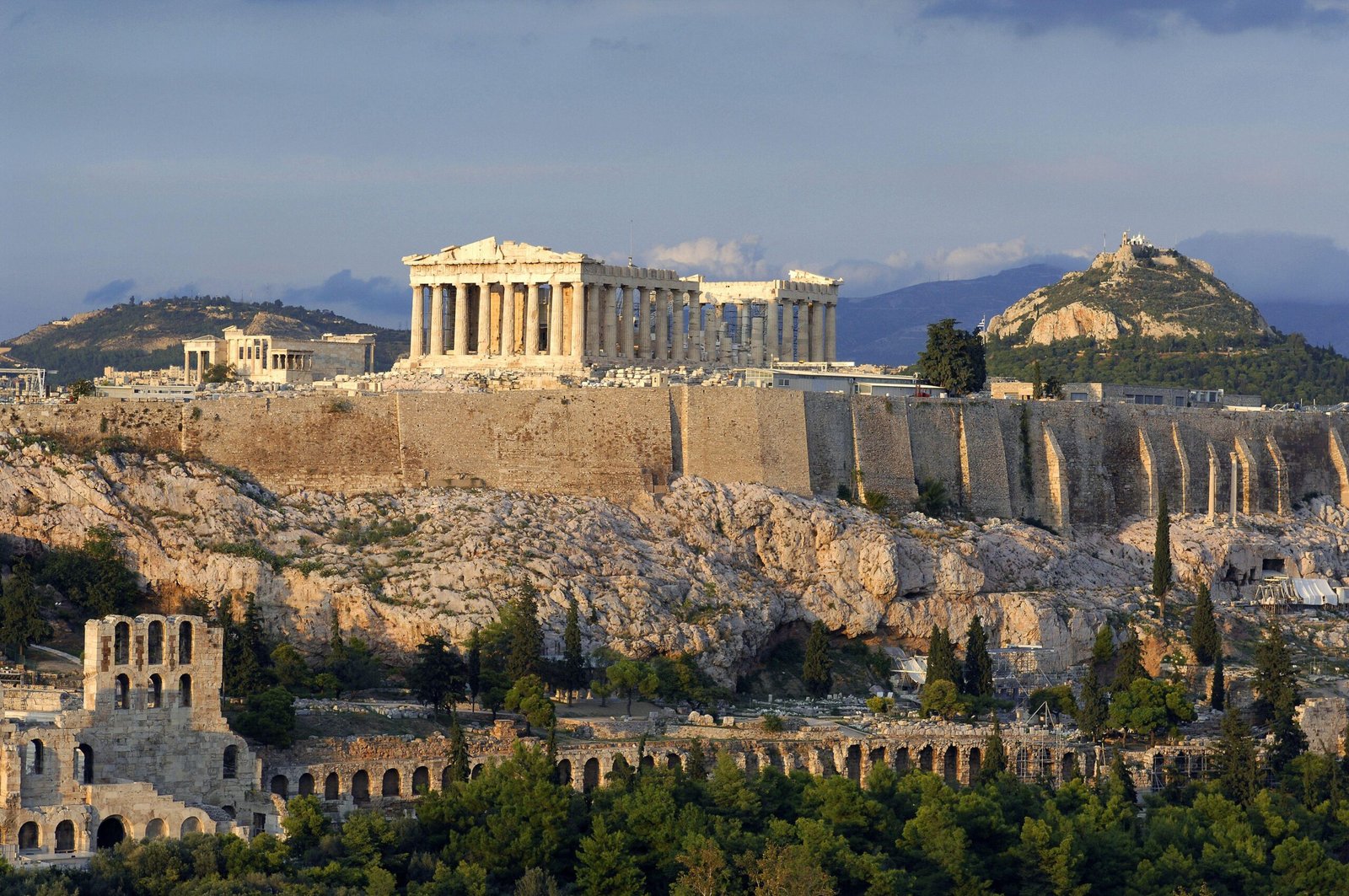
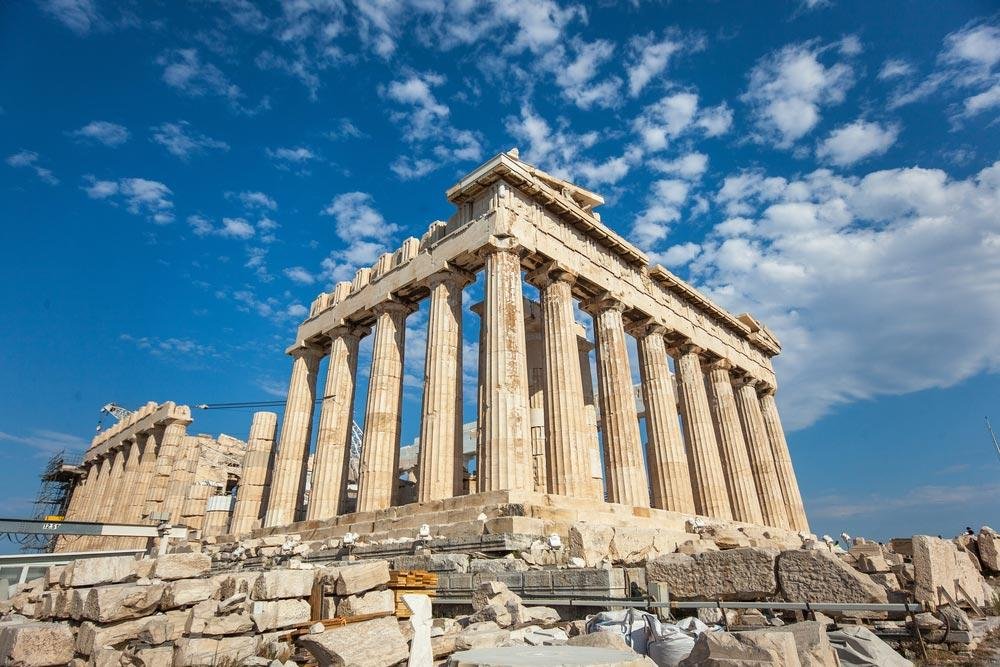
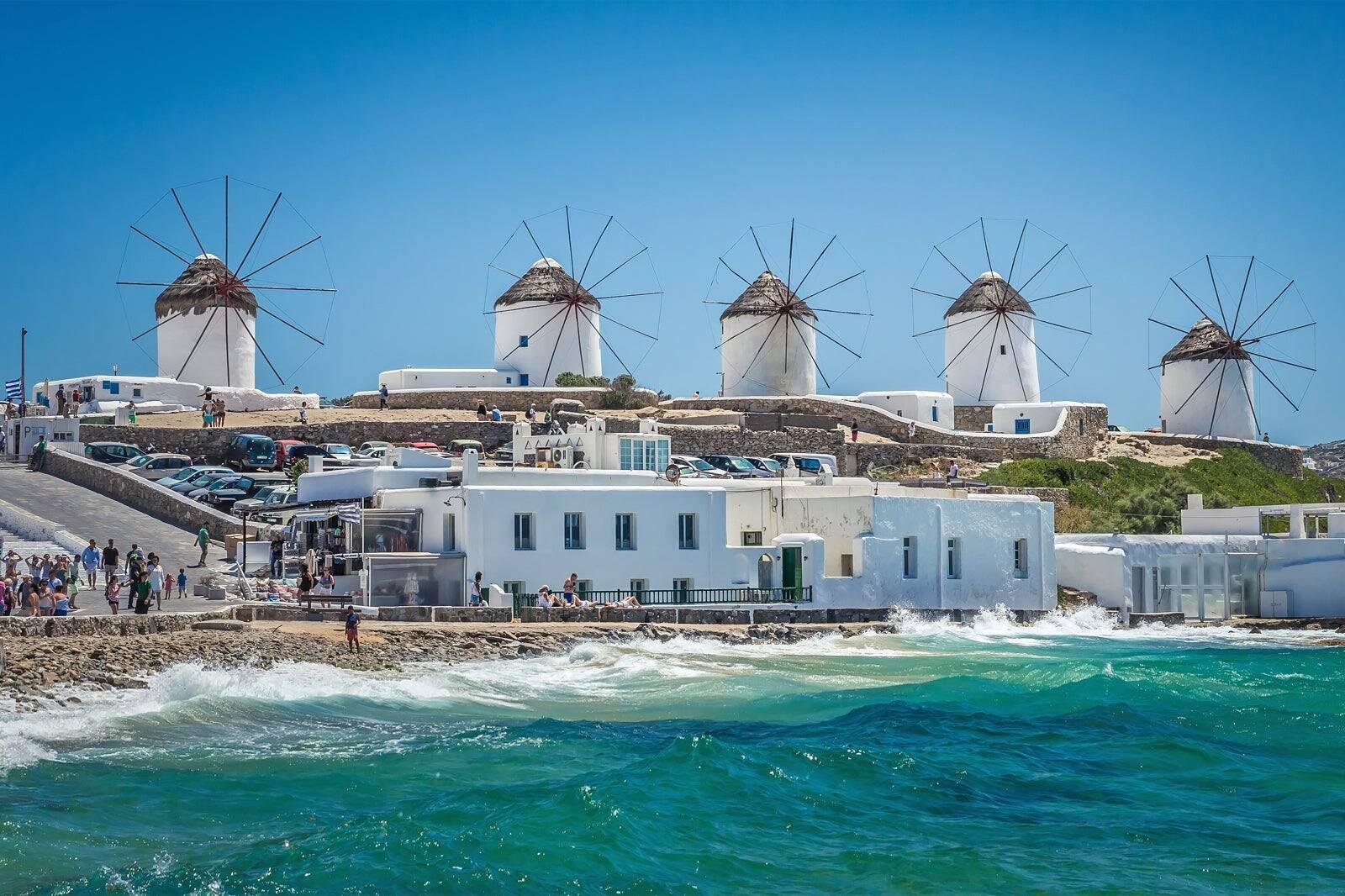
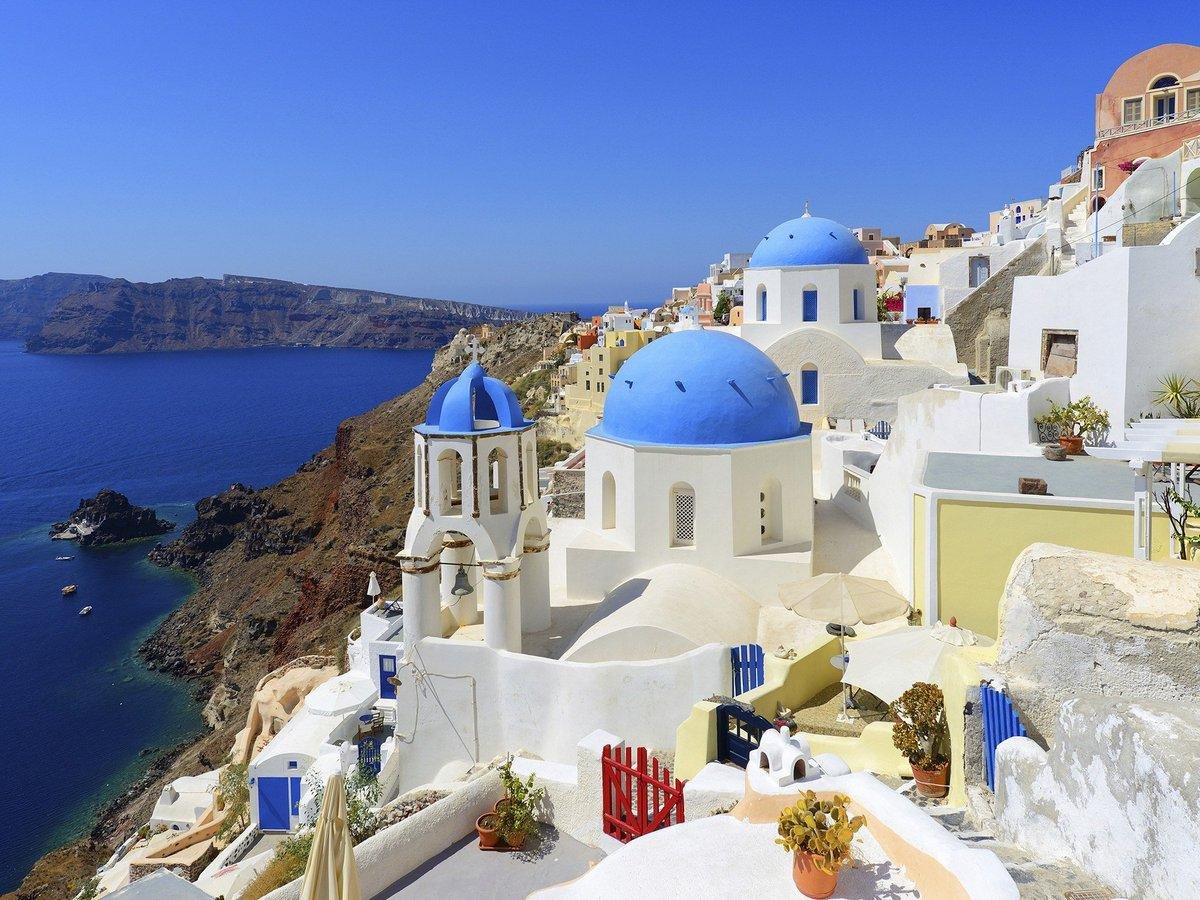
Tour Itinerary
Day 1 – Arrival in Heraklion, Crete
Arrive in Heraklion and begin your introduction to Crete. Depending on your arrival arrangements, transfer to your selected accommodation and allow time to settle in. Later, explore the city centre at a relaxed pace, discovering its squares, pedestrian streets, cafés and waterfront surroundings.
Enjoy your first taste of Cretan cuisine at a local restaurant of your choice. Overnight in Heraklion.
Day 2 – Heraklion City & Minoan Heritage
Spend the day discovering Heraklion’s historic and archaeological attractions. A suggested excursion is the Palace of Knossos, associated with the Minoan civilization and the legendary story of King Minos and the Labyrinth.
Continue with a visit to the Heraklion Archaeological Museum if included in the confirmed itinerary. Its collections provide valuable context for understanding the art, religious practices and everyday life of ancient Crete. Depending on your interests and available time, explore additional parts of the historic centre before enjoying a relaxed evening.
Overnight in Heraklion.
Day 3 – Central Crete & Journey Towards Chania
Continue your discovery of Crete with a journey towards Chania. The route offers opportunities to appreciate the island's changing scenery, from cultivated landscapes and settlements to distant mountain views.
Depending on the agreed arrangements, a stop in a traditional village or another cultural point of interest may be considered. On arrival in Chania, settle into your accommodation and enjoy an initial walk through the historic centre or along the waterfront.
Overnight in Chania.
Day 4 – Chania Old Town & Venetian Harbour
Explore Chania, one of Crete’s most atmospheric historic towns. Walk through the old town’s narrow streets, admire buildings reflecting Venetian and Ottoman influences, and discover the area around the famous Venetian Harbour.
The day can include time for photography, browsing local shops, visiting small museums where available and relaxing at a waterfront café. Chania also offers opportunities to explore traditional markets and sample regional delicacies.
The remainder of the day can be kept flexible, allowing you to enjoy the town at your own pace.
Overnight in Chania.
Day 5 – Western Crete & Mediterranean Scenery
Dedicate the day to the landscapes and cultural character of western Crete. Depending on the season, weather, transport arrangements and your preferences, possible experiences may include a scenic coastal excursion, a traditional village visit or time in the countryside.
Travellers interested in nature may wish to explore one of the region’s celebrated coastal areas. More active excursions, including longer walks, should be selected according to fitness levels and seasonal conditions.
The precise excursion will be agreed during trip planning rather than assumed to be included in the standard package.
Overnight in Chania.
Day 6 – Cretan Food, Culture & Leisure
Enjoy a flexible day focused on local life and personal interests. Explore more of Chania’s historic streets, browse local shops, visit a market when open or enjoy a leisurely meal featuring traditional Cretan ingredients.
Depending on your interests, the day could be adapted to include a culinary experience, a guided cultural visit or additional time beside the Mediterranean. Alternatively, enjoy a relaxed day with time for photography, shopping and independent exploration.
This flexible approach makes the itinerary suitable for travellers who appreciate cultural discovery without a packed sightseeing schedule.
Overnight in Chania.
Day 7 –Departure from Crete
Enjoy breakfast and any remaining free time, subject to your departure schedule. Proceed to the appropriate airport or agreed departure point according to your confirmed travel arrangements.
Travellers departing from Heraklion should allow sufficient time for the journey across the island if required. Airport transfers, additional accommodation and onward flights should be confirmed as part of the final package.
Your seven-day Crete discovery tour concludes with an introduction to the island’s history, cuisine, architecture and Mediterranean landscapes.
Destinations & Experiences
Heraklion
Heraklion combines modern Cretan city life with access to some of the island’s most important historical sites. Its historic centre, waterfront, markets and museums make it a rewarding destination for travellers interested in archaeology and local culture.
The nearby Palace of Knossos is particularly significant for its association with Minoan civilization, which flourished on Crete during the Bronze Age. The Heraklion Archaeological Museum complements a visit to the site with artefacts that illuminate this ancient society.
Chania
Chania is known for its historic harbour, old town and architectural influences from different periods of Mediterranean history. Its streets offer a mix of historic buildings, independent shops, cafés and places to sample local cuisine.
The wider Chania region also provides access to traditional settlements, coastal landscapes and mountain scenery. Excursion choices can be adapted to the time available and the interests of individual travellers.
The Cretan Countryside
Beyond the main towns, Crete offers olive groves, cultivated valleys, mountain villages and scenic roads. Rural experiences provide a different perspective on the island, highlighting its agricultural traditions, regional food and strong sense of local identity.
Countryside excursions are best selected according to the final route, season and transport arrangements.
Culture, Food & Local Experiences
Cretan culture reflects centuries of interaction between ancient Greek, Byzantine, Venetian, Ottoman and modern influences. These layers of history can be seen in architecture, religious buildings, traditional settlements and local customs.
Food is central to the island’s identity. Common regional specialities include dakos, a barley-rusk dish topped with tomato and cheese; kalitsounia, small pastries with regional variations; locally produced cheeses; and dishes prepared with olive oil, seasonal vegetables and herbs. Lamb and other meat dishes are also common, while coastal areas offer seafood according to local availability.
Travellers can explore food markets, browse shops selling local products and enjoy meals at traditional tavernas. Raki, also known locally as tsikoudia, is a traditional spirit often associated with Cretan hospitality; availability and serving customs vary.
Seasonal celebrations, village festivals and religious observances can offer further cultural insight. These events depend on the travel dates and should not be assumed to form part of the confirmed itinerary.
Who This Tour Is For
This Crete holiday may suit:
Couples: Enjoy historic towns, Mediterranean dining and scenic coastal settings.
Cultural travellers: Explore archaeological heritage, historic architecture and regional traditions.
First-time visitors to Greece: Discover two major Cretan destinations within one week.
Families: Consider a combination of accessible sightseeing, food experiences and leisure time, with adjustments for children's ages.
Solo travellers: Enjoy a structured route with opportunities for independent exploration, subject to the selected arrangements.
Food enthusiasts: Discover Cretan ingredients, traditional dishes and local food culture.
Swiss and European travellers: Consider a Mediterranean island holiday with travel arrangements planned around preferred departure dates.
The itinerary can be paced to suit different interests, although walking distances, excursions and accessibility requirements should be discussed before confirmation.
Best Time to Visit Crete, Greece
Crete enjoys a Mediterranean climate, with generally hot, dry summers and milder winters. The best time to travel depends on whether you prefer sightseeing, beach time, hiking or a quieter cultural holiday.
Spring: April to May
Spring is an attractive period for exploring historic towns, archaeological sites and countryside landscapes. Temperatures are generally comfortable for sightseeing, and the island's vegetation is particularly appealing. Sea temperatures may still be cool for some travellers.
Summer: June to August
Summer is the main holiday season, bringing warm weather, long daylight hours and excellent opportunities for beach activities. Popular areas can become busy, especially in July and August, and accommodation and transport should be planned in advance. Midday heat can make extensive sightseeing more demanding.
Autumn: September to October
Early autumn is an excellent option for combining cultural visits with coastal relaxation. The sea often remains warm enough for swimming, while temperatures generally become more comfortable for exploring towns and countryside. Some seasonal businesses and excursions may reduce their operating schedules later in autumn.
Winter: November to March
Winter offers a quieter view of everyday Cretan life, with fewer visitors at many attractions. However, weather can be wetter, mountain areas can be cold, and some tourist services operate on reduced schedules. This season is best for travellers prioritising culture and local life over a traditional beach holiday.
For a balanced seven-day discovery itinerary, May, June, September and early October are worth considering, depending on personal preferences and the year's weather conditions.
Travel Information
Passport and entry requirements: Greece is a member of the European Union and part of the Schengen Area. Entry requirements depend on nationality, passport type, residence status and current regulations. Travellers should check official requirements before departure and ensure their travel documents remain valid for the entire trip.
Visa considerations: Swiss citizens can generally visit Greece for short stays without a visa. Travellers of other nationalities should confirm whether a Schengen visa is required. Visa-exempt travellers should also check any applicable entry authorisation requirements before travelling.
Currency: Greece uses the euro (€). Credit and debit cards are widely accepted in towns and tourist areas, although carrying a small amount of cash can be useful for markets, smaller establishments and rural visits.
Language: Greek is the official language. English is commonly understood in many tourist areas, hotels and restaurants, although language familiarity can vary in smaller communities.
Local transportation: Crete is a large island, and travelling between Heraklion and Chania requires planning. Options may include road transfers, buses and rental vehicles, depending on the itinerary. Travel times vary with traffic, route and stops. Confirmed transport arrangements should be established before booking excursions.
Weather and clothing: Pack lightweight clothing for summer, comfortable walking shoes, sun protection and a reusable water bottle. Spring and autumn travellers should bring a light jacket and layers. Winter visitors should prepare for rain and cooler conditions.
Electricity: Greece generally uses Type C and Type F power sockets with a 230V, 50Hz supply. Travellers should check whether their devices require an adapter or voltage converter.
Travel insurance: Comprehensive travel insurance is recommended. Check that your policy covers medical expenses, trip interruption, cancellations and any planned activities.
Accessibility: Historic streets and archaeological sites may have uneven surfaces, steps or limited accessibility. Travellers with mobility requirements should discuss suitable accommodation, transfers and excursions before confirming the tour.
Frequently Asked Questions
1. What is the best time to book a Crete Greece tour?
Spring and early autumn are popular choices for cultural sightseeing and comfortable outdoor exploration. Summer is suitable for travellers prioritising beaches and warm weather, although it is generally busier. Booking ahead is advisable for peak-season travel.
2. How many days do you need to explore Crete?
Seven days provides a useful introduction to Heraklion, Chania and selected cultural or scenic experiences. A longer stay allows more time for remote beaches, mountain villages, hiking routes and archaeological sites across the island.
3. What is included in a Crete Greece tour package?
Inclusions depend on the package selected. Accommodation, transfers, guided excursions, entrance fees and meals may be arranged, but they should not be assumed to be included until specified in the final quotation from GlobalLink Suisse.
4. Is Crete suitable for first-time visitors to Greece?
Yes. Crete offers a combination of historical attractions, established tourist infrastructure, local cuisine and Mediterranean scenery. Exploring Heraklion and Chania within one itinerary gives first-time visitors an introduction to different aspects of Greek island life.
Why Travel with GlobalLink Suisse?
Planning an island holiday involves more than selecting destinations. Travellers need to consider transport connections, accommodation standards, sightseeing priorities, seasonal conditions and the amount of time available. GlobalLink Suisse provides a point of contact for discussing these requirements and developing a travel proposal suited to your interests.
For travellers departing from Switzerland or elsewhere in Europe, the planning process can take into account preferred travel dates, onward connections, the desired pace of sightseeing and accommodation preferences. The aim is to create a coherent itinerary that balances the practicalities of travel with meaningful time to explore the destination.
GlobalLink Suisse also welcomes enquiries about alternative durations, additional destinations and different travel styles. Each proposal should clearly set out the planned services, costs and conditions, allowing travellers to make informed decisions before confirming their arrangements.
Customize Your Journey
Make your Crete discovery holiday your own by discussing your preferences with GlobalLink Suisse.
When enquiring, consider sharing:
Travel dates: Your preferred departure and return dates, including any flexibility.
Duration: Whether seven days is suitable or you would prefer a longer stay.
Group size: The number of adults and children travelling.
Accommodation: Your preferred comfort level, room arrangements and any special requirements.
Interests: Archaeology, food, historic towns, coastal scenery, walking or relaxation.
Additional destinations: Whether you would like to explore other parts of Crete or combine the island with another Greek destination.
Travel arrangements: Your intended departure airport and whether flights or transfers need to be considered.
GlobalLink Suisse can review these details and advise on the feasibility of your preferred arrangements. All services, prices and availability are subject to confirmation.
Start Planning Your Crete Holiday
Ready to discover Heraklion, Chania and the Mediterranean character of Greece's largest island? Contact GlobalLink Suisse to discuss your preferred dates, sightseeing interests, accommodation requirements and travel arrangements.
Whether you are planning a cultural escape, a relaxed couple's holiday or a broader Greek island experience, begin with a conversation about the itinerary that suits you best.
Enquire with GlobalLink Suisse: https://globalinksuisse.com/
What’s Included
The exact inclusions have not yet been specified for this tour. Final inclusions are confirmed based on the selected package and itinerary.
Depending on the package arranged with GlobalLink Suisse, the following services may be considered:
Accommodation for the confirmed duration.
Airport transfers and intercity transportation.
Guided sightseeing and selected excursions.
Entrance fees for attractions specified in the final itinerary.
Meals explicitly listed in the confirmed package.
Local guide services where arranged.
Assistance with coordinating travel arrangements.
Important: The services above are potential package components, not confirmed inclusions. The final quotation should clearly identify which services are included, together with accommodation standards, transport arrangements and any applicable conditions.
What’s Not Included
The following expenses may be payable separately unless specifically included in the final quotation:
International flights to and from Greece.
Domestic flights or other transport not specified in the package.
Travel insurance and personal medical expenses.
Meals and beverages not listed as included.
Optional excursions and activities.
Personal shopping, laundry, tips and other incidental expenses.
Visa fees or travel authorisation costs, if applicable.
Additional accommodation before or after the scheduled tour.
Any service not expressly identified as included in the confirmed package.
Travellers should review the final quotation and booking conditions to understand the full cost of their holiday.
Perfect For
- Leisure travelers, couples, and retirees
- Food and culture enthusiasts
- Educational, alumni, and incentive groups
- Repeat visitors seeking a deeper experience