
Day 1 –Arrival in Tokyo
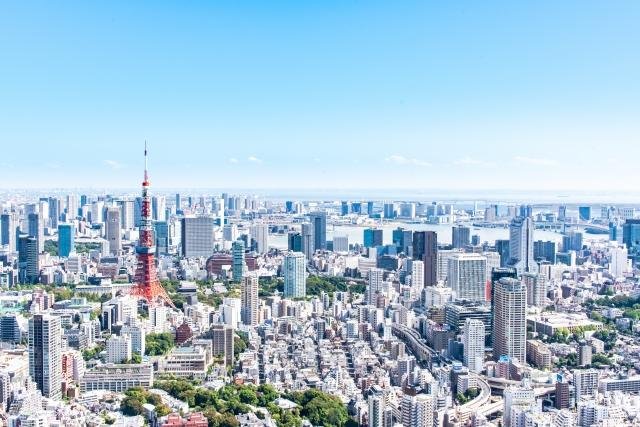
Arrive in Tokyo and transfer to your accommodation according to the confirmed arrangements. Allow time to settle in, recover from the journey and become familiar with the local surroundings. Depending on arrival time and the family's energy levels, enjoy a gentle introduction to the city with a neighbourhood walk or an informal dinner featuring Japanese cuisine.
Day 2 – Tokyo City Discovery
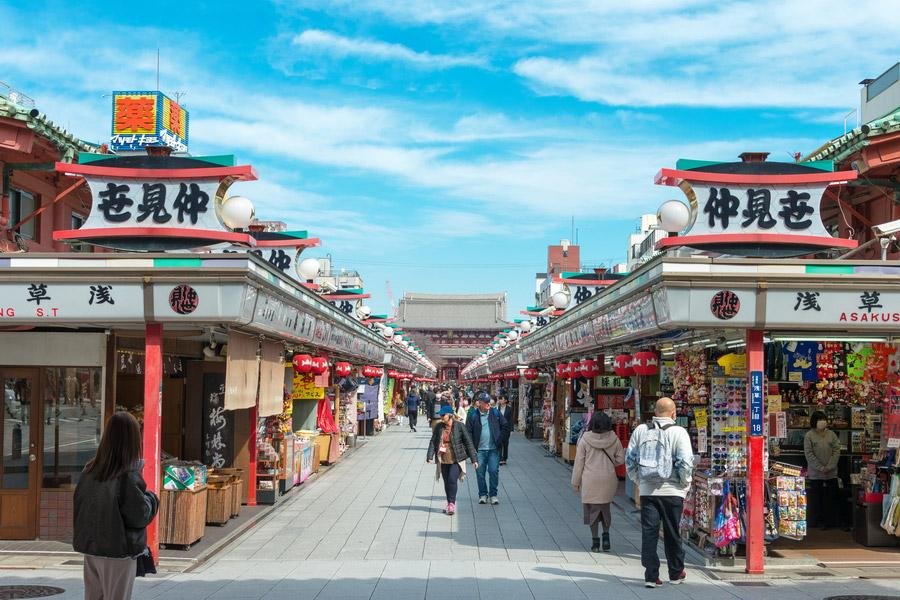
Explore selected areas of Tokyo, combining contemporary city life with traditional culture. Suggested experiences include Asakusa's Senso-ji Temple and Nakamise shopping street, where visitors can discover traditional souvenirs and Japanese snacks. Depending on family interests, the day may also include a visit to a modern shopping district or an interactive attraction. Keep the schedule flexible to accommodate children's ages and energy levels.
Day 3 – Tokyo Family Experiences
Dedicate another day to Tokyo's varied attractions. Families can consider interactive museums, observation decks, character-themed shops, technology-focused experiences or a suitable theme park, depending on availability and preference. Alternatively, spend more time exploring local neighbourhoods, gardens and shopping areas. Selected attractions should be agreed upon before booking, particularly where advance reservations or timed entry are required.
Day 4 – Travel to Kyoto
Travel from Tokyo to Kyoto, potentially using the Shinkansen high-speed train, subject to the final transport arrangements. The journey introduces a different side of Japan, moving from the capital's urban scale to a city associated with traditional architecture, temples and cultural heritage. After arrival, enjoy a relaxed introduction to Kyoto, with a walk through a suitable historic neighbourhood if time permits.
Day 5 – Kyoto's Cultural Heritage
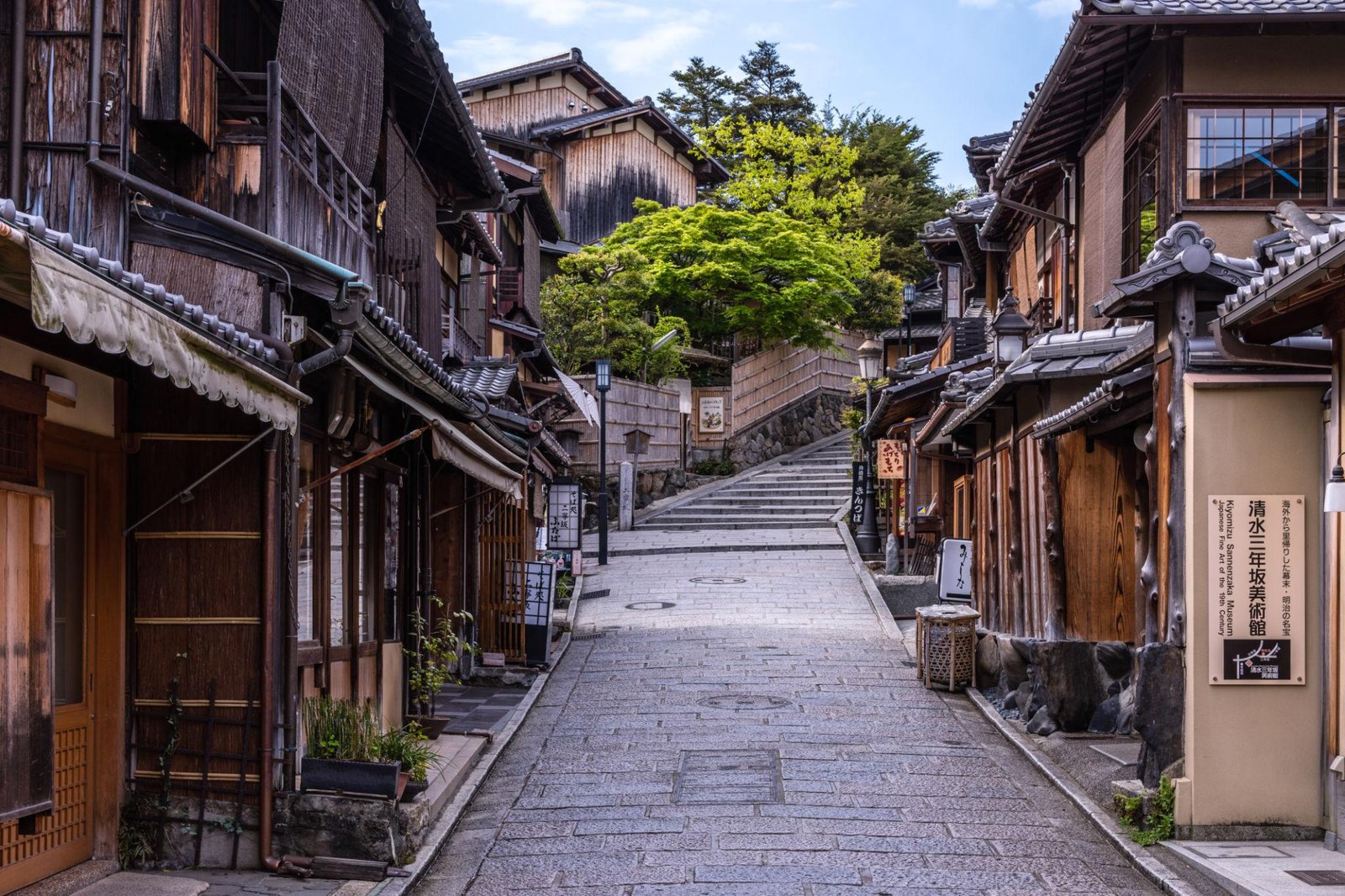
Explore Kyoto's historic character through selected temples, shrines, gardens and traditional streets. Possible experiences include the vermilion torii gates of Fushimi Inari Taisha, the historic Higashiyama district or the landscaped surroundings of other well-known temples. The final selection should reflect the family's interests and walking preferences. Optional cultural activities may include a traditional craft experience or an introduction to Japanese customs.
Day 6 –Kyoto to Osaka
Continue to Osaka by suitable rail or other transport. Once settled, discover the city's lively atmosphere through its shopping streets, food districts and urban landmarks. Dotonbori is a popular choice for an evening walk, with illuminated signs, canal views and opportunities to sample local specialities. Families who prefer a slower pace can focus on shopping and dining rather than fitting in several attractions.
Day 7 – Osaka Discovery and Departure
Enjoy breakfast and any available free time before departure arrangements. Depending on the flight schedule, there may be an opportunity for a short walk, shopping or a final Japanese meal. Airport transfers and departure assistance should be confirmed as part of the selected package. Travellers requiring more time in Osaka may consider extending the journey.
Destinations & Experiences
Tokyo – Modern Japan and Family Attractions
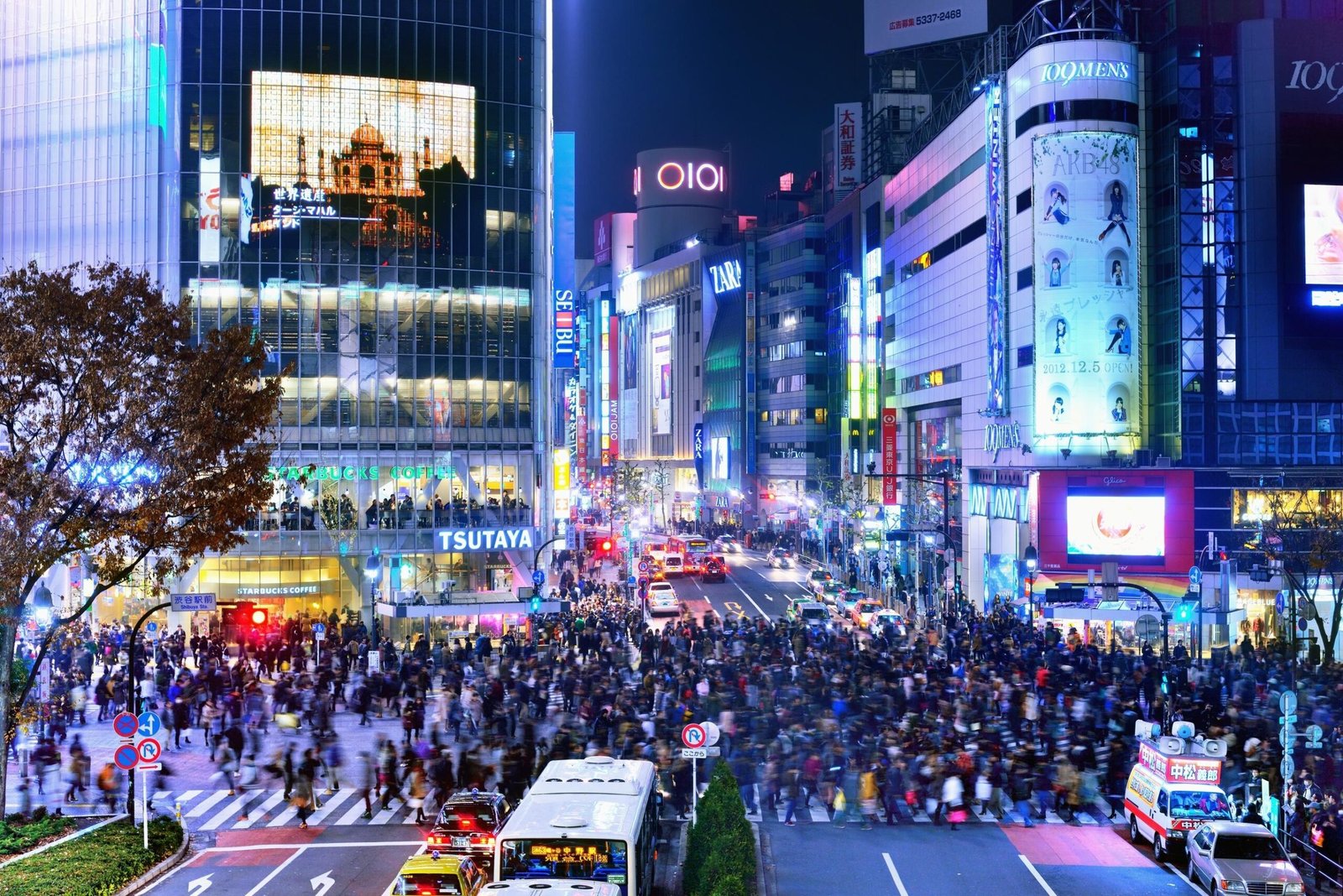
Tokyo combines busy shopping districts, contemporary architecture, historic temples and extensive public transport. Families can explore Asakusa, visit Senso-ji Temple, discover Shibuya's famous crossing or select attractions based on their children's interests. The city also offers shopping, themed entertainment and dining options for a wide range of ages.

Kyoto – Traditional Culture and Historic Streets
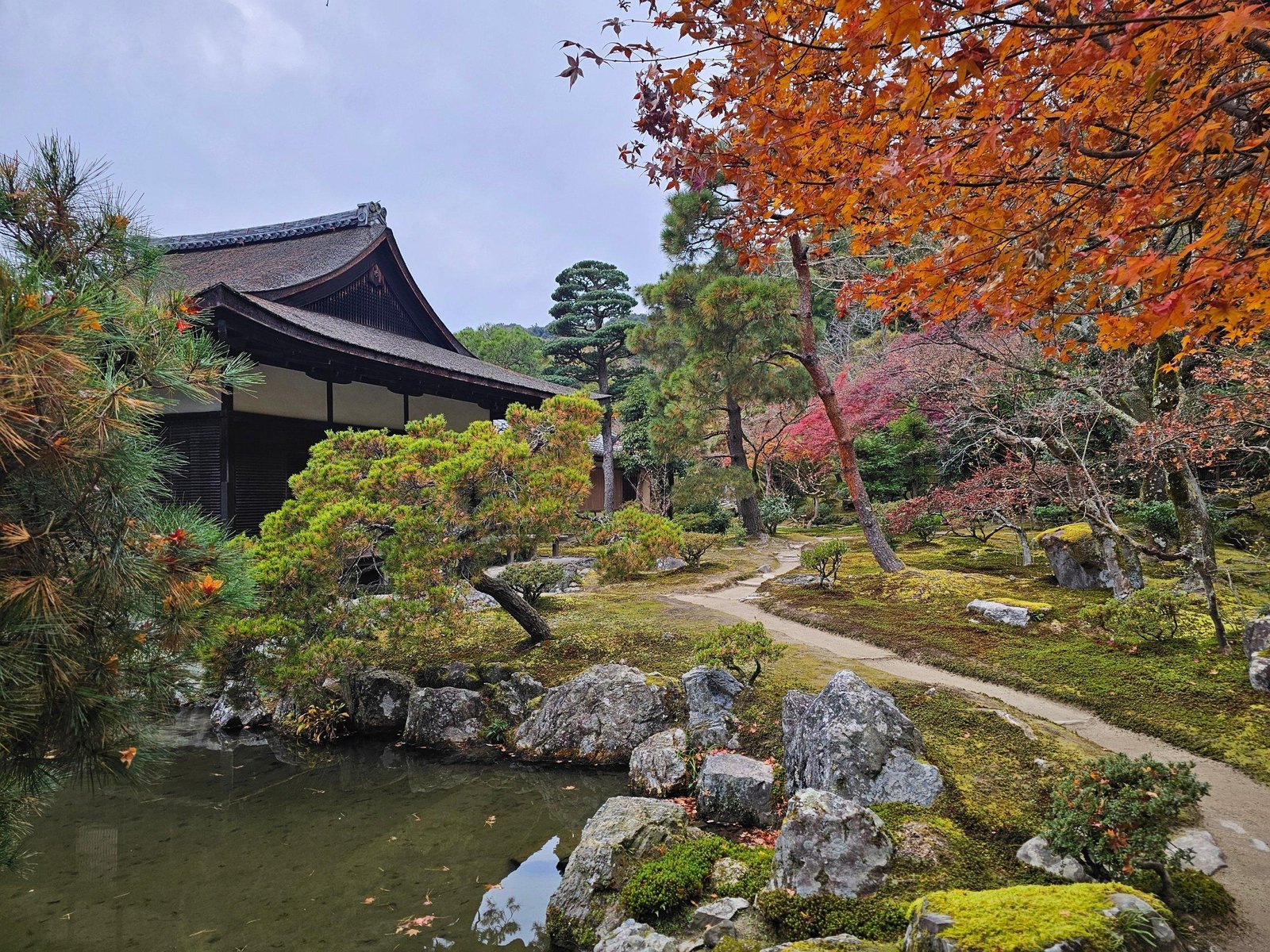
Kyoto offers a contrast to Tokyo, with historic shrines, Buddhist temples, traditional streets and carefully maintained gardens. Families can explore Higashiyama, visit Fushimi Inari Taisha or discover the city's traditional crafts and cultural customs. Walking distances and the number of sites visited should be adjusted to suit the family.

Osaka – Food, Shopping and Entertainment
Osaka is known for its lively dining scene, entertainment districts and approachable urban atmosphere. Dotonbori provides an introduction to the city's food culture, while Osaka Castle offers historical context and landscaped grounds. Depending on interests, families can also consider additional attractions or a theme park visit if the schedule allows.
Culture, Food & Local Experiences
Japanese culture is an important part of this family holiday. Visiting temples and shrines provides opportunities to learn about local traditions, while shopping streets and neighbourhood walks reveal aspects of everyday life. Families should follow posted instructions at religious sites, respect quiet areas and observe local customs.
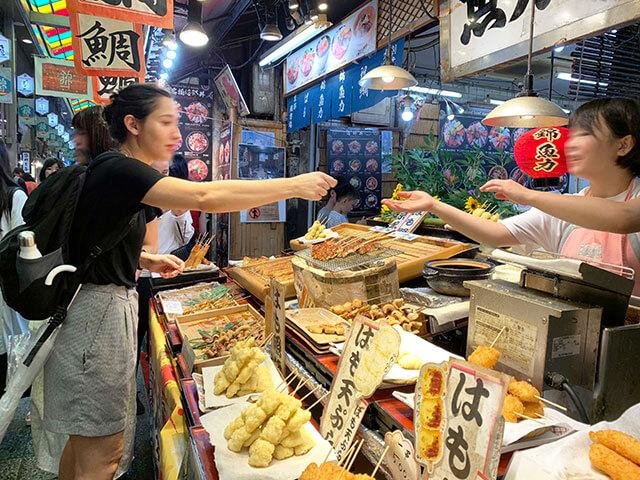
Food offers another way to connect with each destination. Tokyo provides an extensive range of Japanese and international dining options. Kyoto is associated with traditional Japanese cuisine, seasonal ingredients and refined presentation, while Osaka is particularly famous for casual street-food favourites.
Consider trying:
Ramen: Noodle soup served in regional styles with different broths and toppings.
Sushi: A variety of rice and seafood preparations, with options varying by restaurant.
Takoyaki: Osaka-style savoury batter balls traditionally filled with octopus.
Okonomiyaki: A savoury Japanese pancake with regional variations.
Udon and tempura: Accessible choices for family meals, depending on individual preferences.
Families travelling with allergies, dietary restrictions or young children who have particular food needs should communicate these requirements in advance. Ingredients and preparation methods can vary, and suitable options should be checked directly with dining providers.
Who This Tour Is For
This Japan family holiday is suited to:
Families with children: A varied combination of city exploration, culture, shopping and optional entertainment.
Families with teenagers: Opportunities to explore Japanese pop culture, technology, fashion, food and contemporary city life.
First-time visitors to Japan: Three major destinations provide a useful introduction to the country.
Multigenerational families: The route can be paced around different mobility levels and sightseeing preferences.
Culturally curious travellers: Kyoto's temples and traditional districts provide a counterpoint to Tokyo and Osaka.
Families travelling from Switzerland: The trip can be discussed as part of a wider international travel plan, including preferred departure dates and flight arrangements.
Seven days allows a broad introduction rather than an exhaustive exploration of Japan. Families who prefer a slower pace or wish to include additional destinations may benefit from a longer stay.
Best Time to Visit Japan
Japan has four distinct seasons, and each offers a different family travel experience. Spring and autumn are particularly popular for sightseeing, while summer aligns with many school holidays. Winter can offer a quieter urban experience outside major holiday periods.
Season | What families can expect |
|---|---|
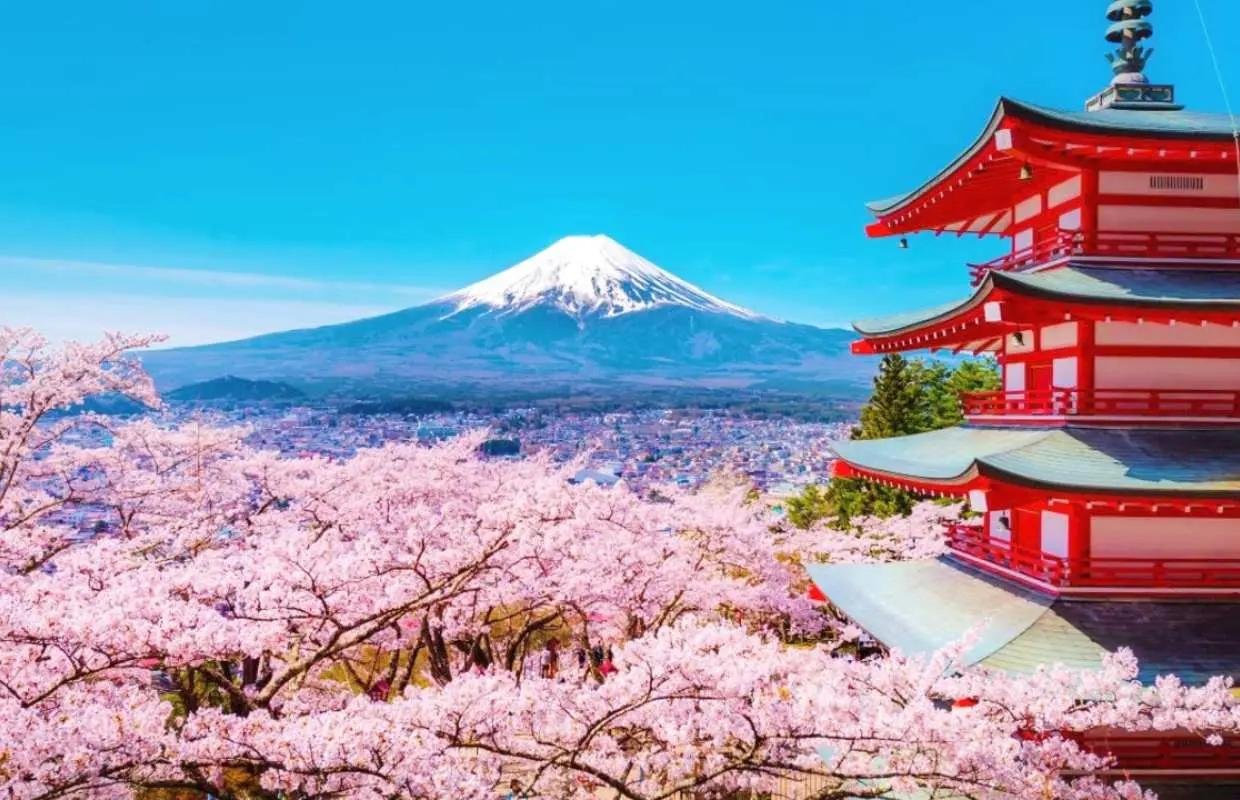
Spring – March to May | Mild conditions in many areas and the possibility of cherry blossoms. Popular viewing locations can be crowded. |
Summer – June to August | Festivals and summer events, but also high humidity and hot weather. Plan breaks and indoor activities for children. |
Autumn – September to November | Seasonal foliage and generally comfortable sightseeing conditions, with variations by date and location. |
Winter – December to February | Cooler weather and seasonal illuminations in some areas. Tokyo and Osaka often have relatively mild winters compared with northern Japan. |
Golden Week in late April and early May, the mid-August Obon period and the New Year holiday can be particularly busy. Accommodation and transport should be planned well ahead for these periods.
For families seeking comfortable sightseeing conditions, spring and autumn are useful starting points when choosing dates. However, the final choice should consider school calendars, seasonal interests, budget and expected crowds.
Travel Information
Passports and visas: Each traveller should have a valid passport and meet Japan's entry requirements. Visa rules depend on nationality, passport type, purpose of travel and length of stay. Check the latest guidance from the Japanese Ministry of Foreign Affairs or the appropriate Japanese embassy before departure.
Currency: Japan uses the Japanese yen (JPY). Cards are accepted at many businesses, but some smaller establishments may prefer cash. Keep a practical amount available for incidental purchases.
Language: Japanese is the main language. English is used to varying degrees in major tourism areas, hotels and transport facilities. Save important addresses and travel details in Japanese where possible.
Local transportation: Tokyo, Kyoto and Osaka have extensive rail and subway networks. An IC travel card may simplify many local journeys, while the Shinkansen connects major cities on the route. Ticket types, fares, seat reservations and luggage arrangements should be checked before travel.
Weather and packing: Bring comfortable walking shoes, season-appropriate clothing and a compact rain jacket or umbrella. Summer travellers should prepare for heat and humidity; winter visitors should pack warm layers. Families should consider the walking needs of younger children and older relatives.
Electricity: Japan generally uses Type A and Type B plugs and a 100-volt electrical supply. Travellers should check whether their devices support this voltage and carry a compatible adapter. Some devices may also require a voltage converter.
Travel insurance: Comprehensive insurance covering medical expenses, trip interruption and other relevant risks is advisable for every family member.
Family planning: Check child fares, room occupancy limits, stroller suitability, attraction age restrictions and meal requirements before confirming arrangements. Keep essential medicines and important documents accessible during transfers.
Frequently Asked Questions
1. What is the best time for a Japan family holiday?
Spring and autumn are popular for sightseeing because of seasonal scenery and generally comfortable conditions. Summer may suit school holidays but can be hot and humid. Winter offers seasonal experiences and cooler city visits. Your preferred activities and travel dates should guide the choice.
2. Is seven days enough to visit Tokyo, Kyoto and Osaka?
Seven days provides an introduction to all three cities, but sightseeing time is limited. A suggested plan allocates three days to Tokyo, two days to Kyoto and two days to Osaka, including intercity travel. Families wanting more leisure time or additional destinations may prefer a longer itinerary.
3. Is Japan suitable for families travelling with children?
Yes, Japan offers a wide range of family-friendly attractions, transport options, parks, museums and dining experiences. Suitability depends on children's ages and individual needs. Planning realistic walking distances, rest breaks and convenient accommodation locations can make the journey more comfortable.
4. What is included in a Japan tour package?
Inclusions vary by package. Accommodation, intercity transport, transfers, guided sightseeing, meals and attraction tickets may be available depending on the selected arrangements. GlobalLink Suisse should confirm every inclusion, exclusion and applicable child rate in the final quotation.
Why Travel with GlobalLink Suisse?
GlobalLink Suisse provides a point of contact for discussing international travel plans and the details that matter to your family. A well-planned itinerary considers not only the destinations you want to visit, but also travel time, accommodation preferences, sightseeing priorities and the pace that works for different age groups.
For a journey through Tokyo, Kyoto and Osaka, planning the sequence of destinations and transport arrangements is especially important. GlobalLink Suisse can discuss the proposed route, the balance between cultural visits and leisure, and the practical arrangements that need to be settled before departure.
The aim is to establish a clear, suitable travel plan based on your requirements. Specific services, accommodation standards, transport, inclusions and support arrangements should be confirmed in writing as part of the agreed package.
Customize Your Journey
Every family has different interests, schedules and priorities. When contacting GlobalLink Suisse, consider discussing:
Travel dates: Choose dates that work with school holidays, work commitments and seasonal preferences.
Group size and ages: Share the number of adults and children, including children's ages at the time of travel.
Accommodation: Explain your preferred comfort level, room configuration and any accessibility requirements.
Sightseeing: Identify priorities such as cultural attractions, interactive museums, shopping, food experiences or theme parks.
Travel pace: Decide whether you prefer a full sightseeing schedule or more free time.
Additional destinations: Ask whether extending the stay or adding another destination would suit your plans.
Special requirements: Mention dietary needs, mobility considerations and other important arrangements.
These details will help establish the most appropriate itinerary and clarify which services can be arranged.
Plan Your Japan Family Holiday with GlobalLink Suisse
Make Tokyo, Kyoto and Osaka the starting point for a family journey through Japan's modern attractions, traditional heritage and distinctive food culture.
Contact GlobalLink Suisse to discuss your preferred dates, family requirements and travel arrangements. Request a tailored proposal to review the suggested itinerary, accommodation options, transport arrangements and confirmed package inclusions before booking.
Website: globalinksuisse.com