
Day 1 –Arrival in Tokyo
Arrive in Tokyo and begin your Japan journey. Depending on your arrival time and the confirmed arrangements, transfer to your accommodation and settle in. Keep the first day flexible to allow for the international journey and time differences.
If time permits, take a gentle introduction to the surrounding neighbourhood, explore a local shopping street or enjoy your first Japanese meal. An early night may be helpful before the sightseeing days ahead.
Day 2 – Tokyo's Traditional Heritage
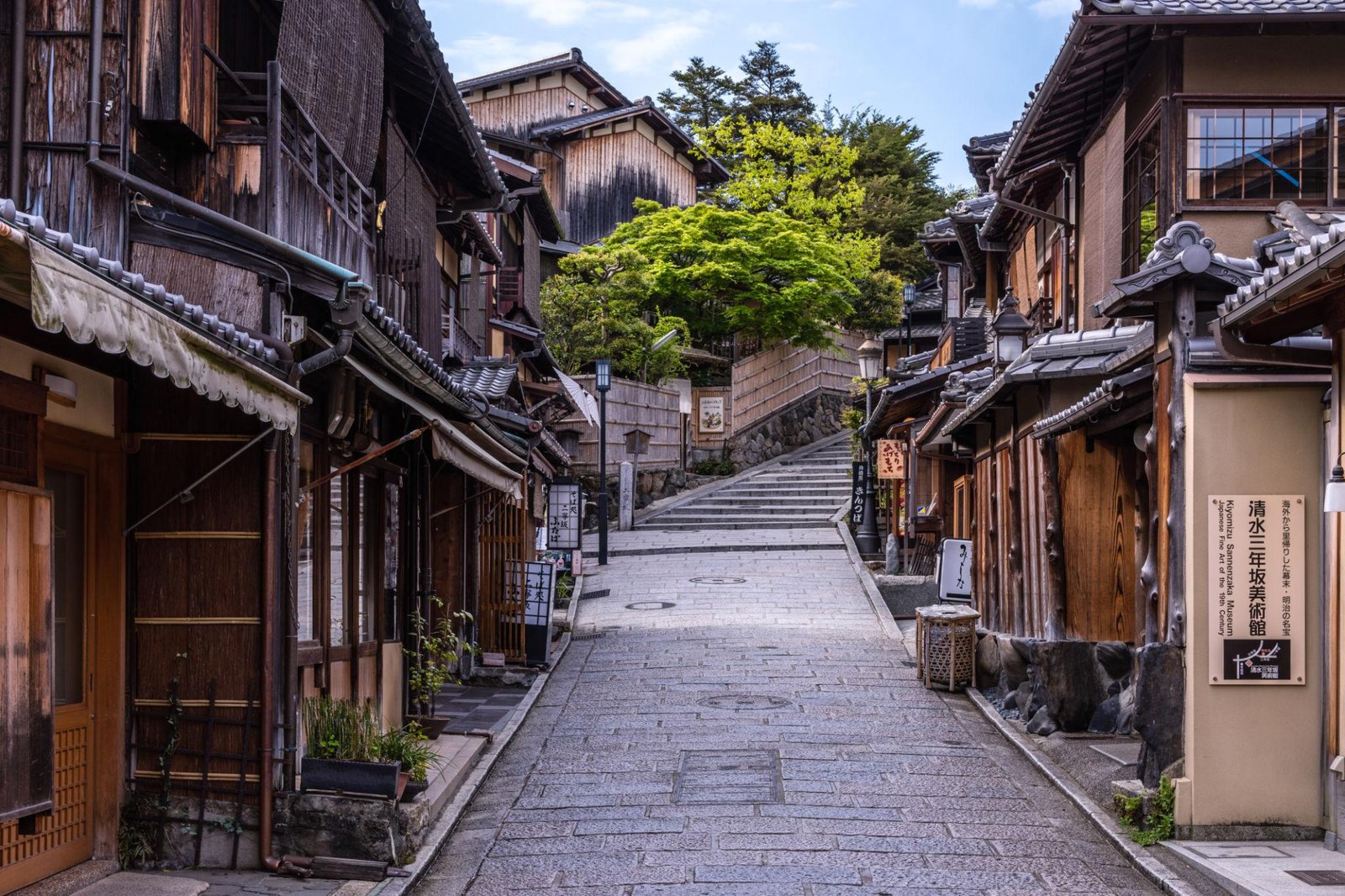
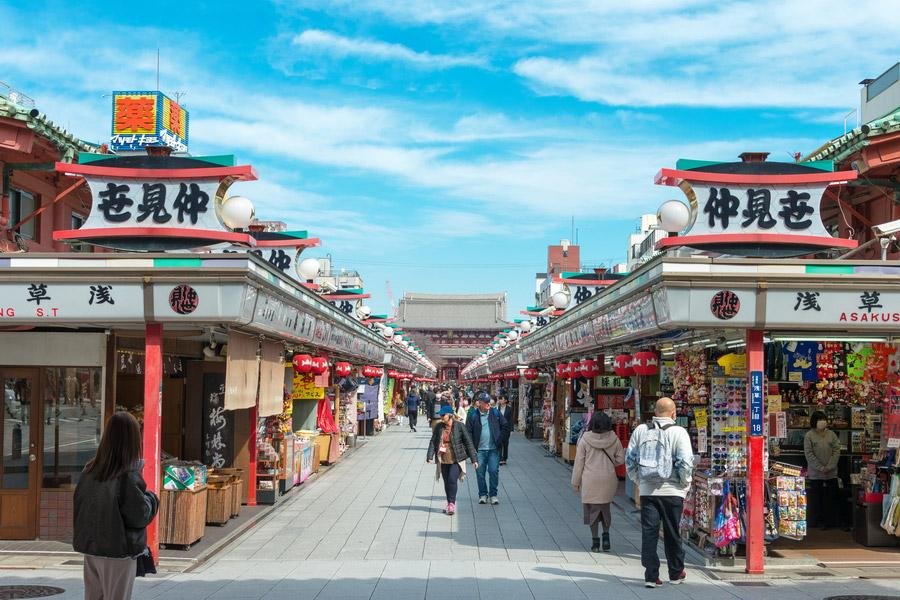
Discover a more traditional side of the capital with a suggested visit to Asakusa, one of Tokyo's best-known historic districts. Sensō-ji Temple is a major cultural landmark, while Nakamise shopping street offers opportunities to browse souvenirs, traditional snacks and local goods.
Depending on your interests and the final schedule, the day may include another shrine, garden or cultural attraction. Take time to observe the details of Japanese architecture, local customs and everyday city life.
Day 3 – Modern Tokyo and Urban Culture
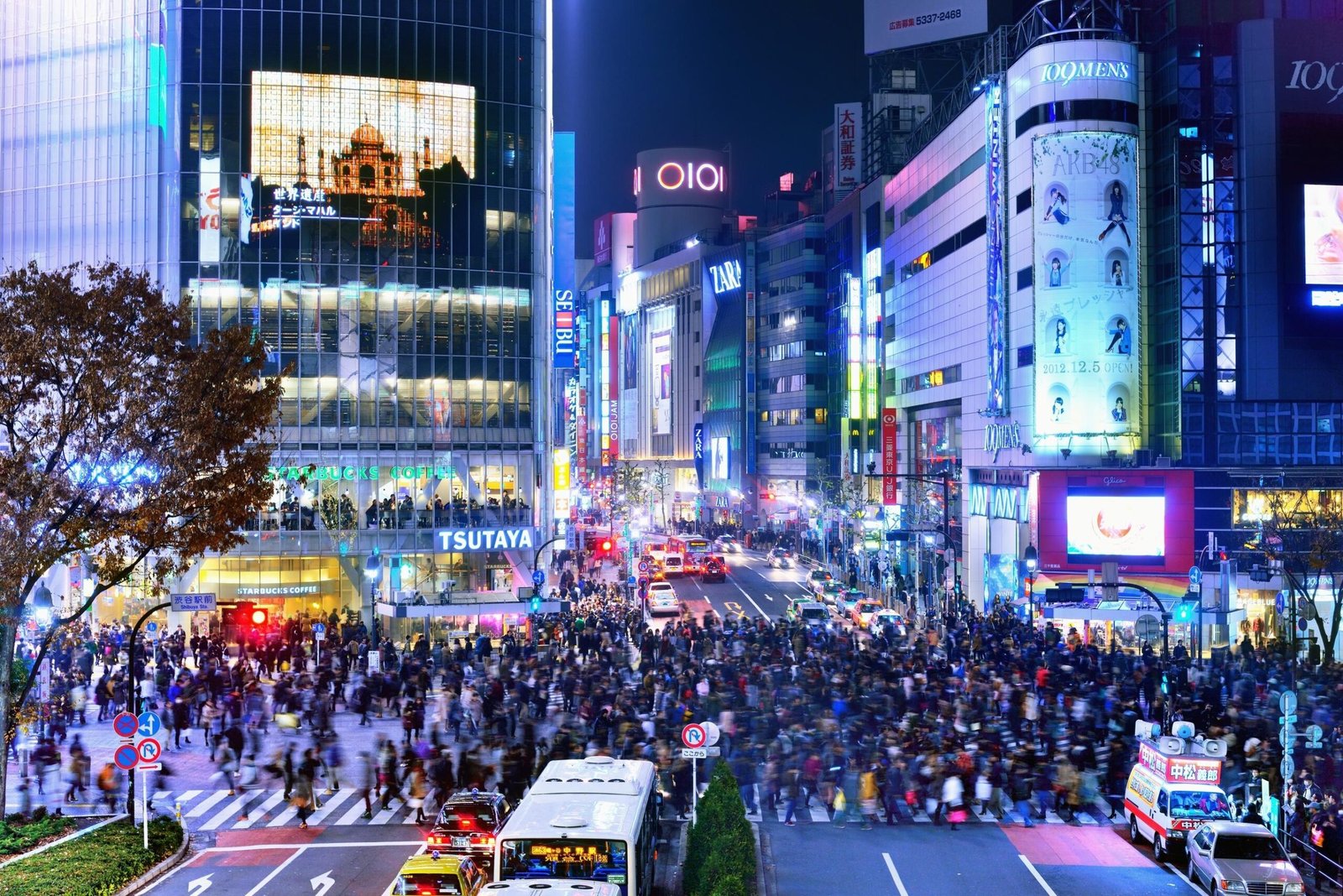
Explore Tokyo's contemporary character through districts such as Shibuya and Shinjuku. Shibuya is recognised for its busy crossing, retail streets and modern city atmosphere. Shinjuku offers a different perspective, with major commercial areas, entertainment streets and striking city views from selected observation points.
The day can also accommodate independent shopping, cafés or additional sightseeing. Specific attractions and any admission fees should be confirmed as part of the final package.
Day 4 – Travel to the Mount Fuji Region
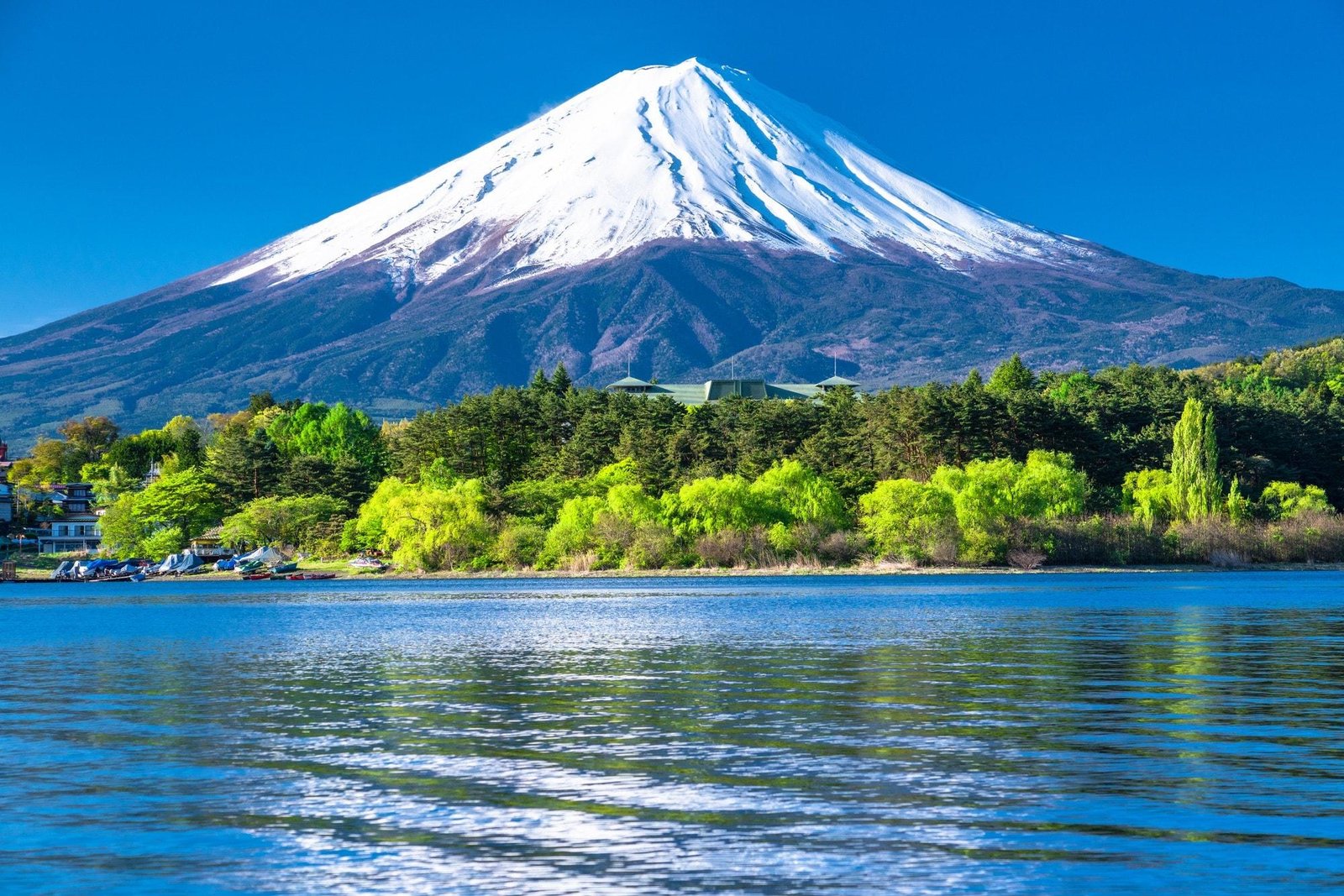
Leave the capital for the Mount Fuji area, where the urban landscape gives way to mountain scenery and lakeside communities. The Fuji Five Lakes region is a suitable base for a scenic excursion, with Lake Kawaguchi among the most popular locations for views of the mountain.
Depending on transport arrangements and weather, enjoy time around the lake, explore local shops or visit a viewpoint. Mount Fuji is an active volcano and a sacred symbol in Japanese culture; its summit can be obscured by clouds, so clear views cannot be guaranteed.
Day 5 – Mount Fuji Landscapes and Local Experiences
Spend another day discovering the natural and cultural attractions of the Fuji region. Depending on the selected route and seasonal conditions, possible experiences include lakeside walks, photography stops, visits to local villages or scenic viewpoints.
Travellers interested in Japanese traditions may wish to explore regional crafts or sample local specialities. A visit to a hot spring facility could also be considered if suitable arrangements are available. Access to particular attractions, transport and any additional charges should be confirmed before travel.
Day 6 – Return to Tokyo and Leisure Time
Return to Tokyo according to the confirmed transport plan. Use the remaining time to revisit a favourite district, explore additional shopping areas or discover another part of the city.
Travellers may wish to look for Japanese design products, stationery, fashion or locally made souvenirs. Alternatively, enjoy a relaxed meal and reflect on the contrast between Tokyo's fast-moving streets and the quieter landscapes around Mount Fuji.
Day 7 – Departure from Japan
Enjoy breakfast or a final walk if your departure schedule permits. Transfer arrangements to the airport should follow the confirmed package details. Travellers with later departures may have time for a final visit to a nearby attraction, subject to luggage arrangements and available time.
Your Japan journey concludes with a combination of city culture, culinary discoveries and memories of the Mount Fuji region.
Destinations & Experiences
Tokyo – Tradition Meets Modern Life
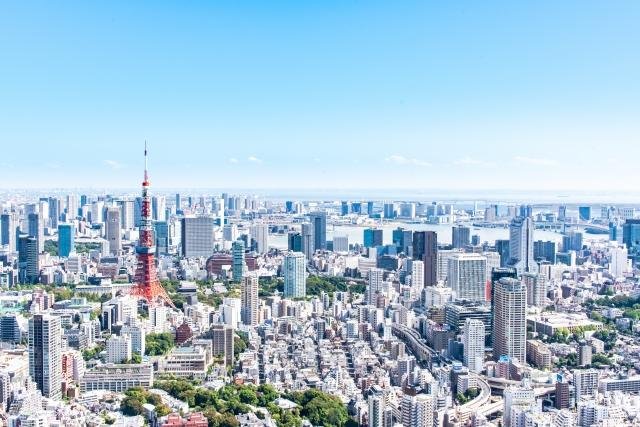
Tokyo combines historic temples, contemporary architecture, lively shopping districts and a celebrated food scene. Asakusa offers a traditional atmosphere, while Shibuya and Shinjuku reveal the scale and energy of modern Japanese urban life. The city's efficient public transport makes it practical to explore different neighbourhoods, subject to the final itinerary.

Mount Fuji – Japan's Iconic Mountain
Mount Fuji is one of Japan's most recognisable natural landmarks and holds an important place in Japanese art, spirituality and national identity. The surrounding region offers lakes, forested landscapes and scenic viewpoints. Visitors can appreciate the mountain from accessible viewing areas without undertaking a summit climb.

Fuji Five Lakes – Lakeside Scenery
The Fuji Five Lakes area offers a quieter complement to Tokyo. Lake Kawaguchi is particularly popular for photography, lakeside walks and seasonal scenery. The experience changes throughout the year, from spring blossoms to summer greenery and autumn colours, although views depend on weather conditions.
Culture, Food & Local Experiences
Japanese culture is reflected in everyday details, from the etiquette observed in temples to the care taken in preparing and presenting food. During this journey, travellers can discover aspects of both traditional and contemporary Japan.
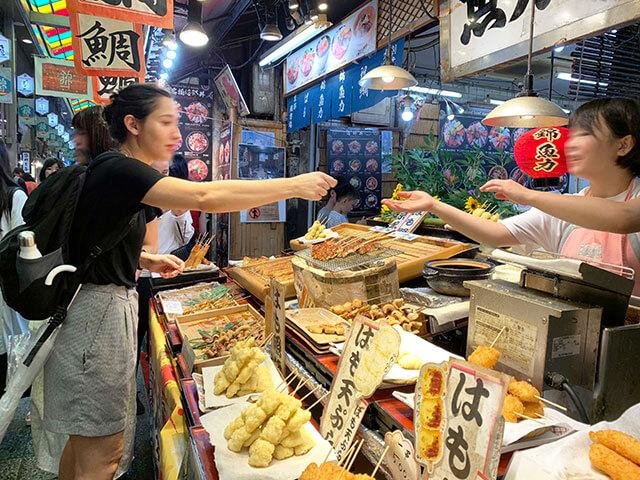
Tokyo is an excellent place to explore Japanese cuisine. Depending on individual preferences, meals may include sushi, ramen, tempura, soba noodles, yakitori and seasonal specialities. Local restaurants range from casual eateries to refined dining establishments. Travellers with dietary requirements should communicate these in advance, as some dishes use fish stock, soy, seafood or other ingredients that may not be immediately obvious.
Shopping streets and local markets provide opportunities to discover snacks, crafts, ceramics and souvenirs. At temples and shrines, visitors should follow posted guidance, respect worshippers and observe local customs. Seasonal festivals may add another cultural dimension, but dates and events vary by location and year.
Around Mount Fuji, the pace is generally more relaxed. Visitors can appreciate rural scenery, local produce and lakeside communities. Regional food and hot spring experiences may be considered where available and suitable for the chosen itinerary.
Who This Tour Is For
The Mount Fuji and Tokyo tour is suitable for:
First-time visitors to Japan: A practical introduction to the country's capital, cultural landmarks and famous mountain scenery.
Couples: A varied holiday combining city exploration, scenic landscapes and opportunities for relaxed dining.
Families: A mix of urban attractions, cultural discoveries and outdoor scenery, with the pace adapted to the family's needs.
Cultural travellers: An opportunity to explore temples, shrines, traditional neighbourhoods and Japanese cuisine.
Photography enthusiasts: Opportunities to capture Tokyo's cityscapes and the changing landscapes around Mount Fuji.
Independent-minded travellers: A suggested framework that may leave room for personal exploration, subject to confirmed arrangements.
Travellers with limited mobility or specific accessibility requirements should discuss these before booking, particularly for walking routes, station access and sightseeing locations.
Best Time to Visit Japan
Japan offers different experiences throughout the year, and the best travel dates depend on your preferred scenery, weather and tolerance for crowds.

Spring – March to May
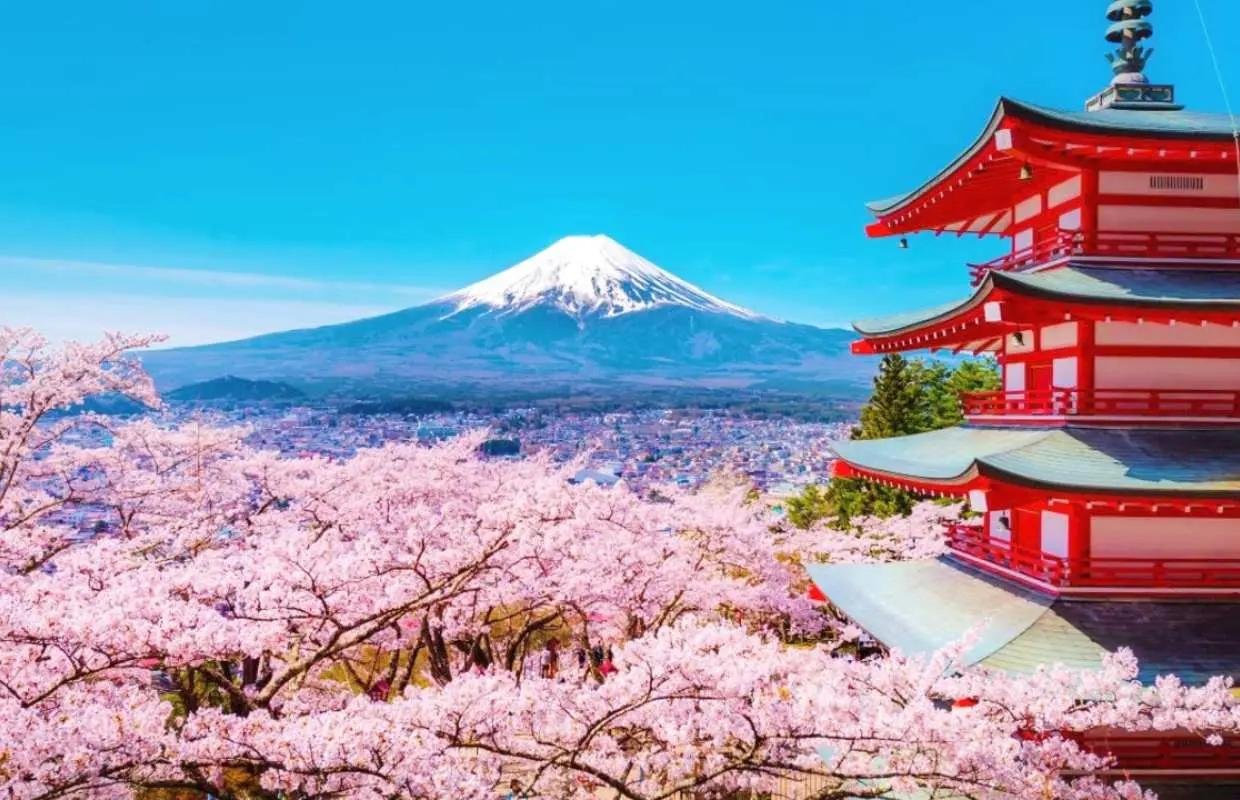
Spring is popular for cherry blossoms, milder weather and seasonal scenery. Blooming periods vary by year and location, and the most popular viewing areas can be busy. Early spring around Mount Fuji can still be cold.

Summer – June to August
Summer brings lush landscapes and longer daylight hours, but Tokyo can be hot and humid. June is generally part of the rainy season in much of Japan. The official Mount Fuji climbing season is limited and varies by route and year; climbing is not assumed in this tour.

Autumn – September to November
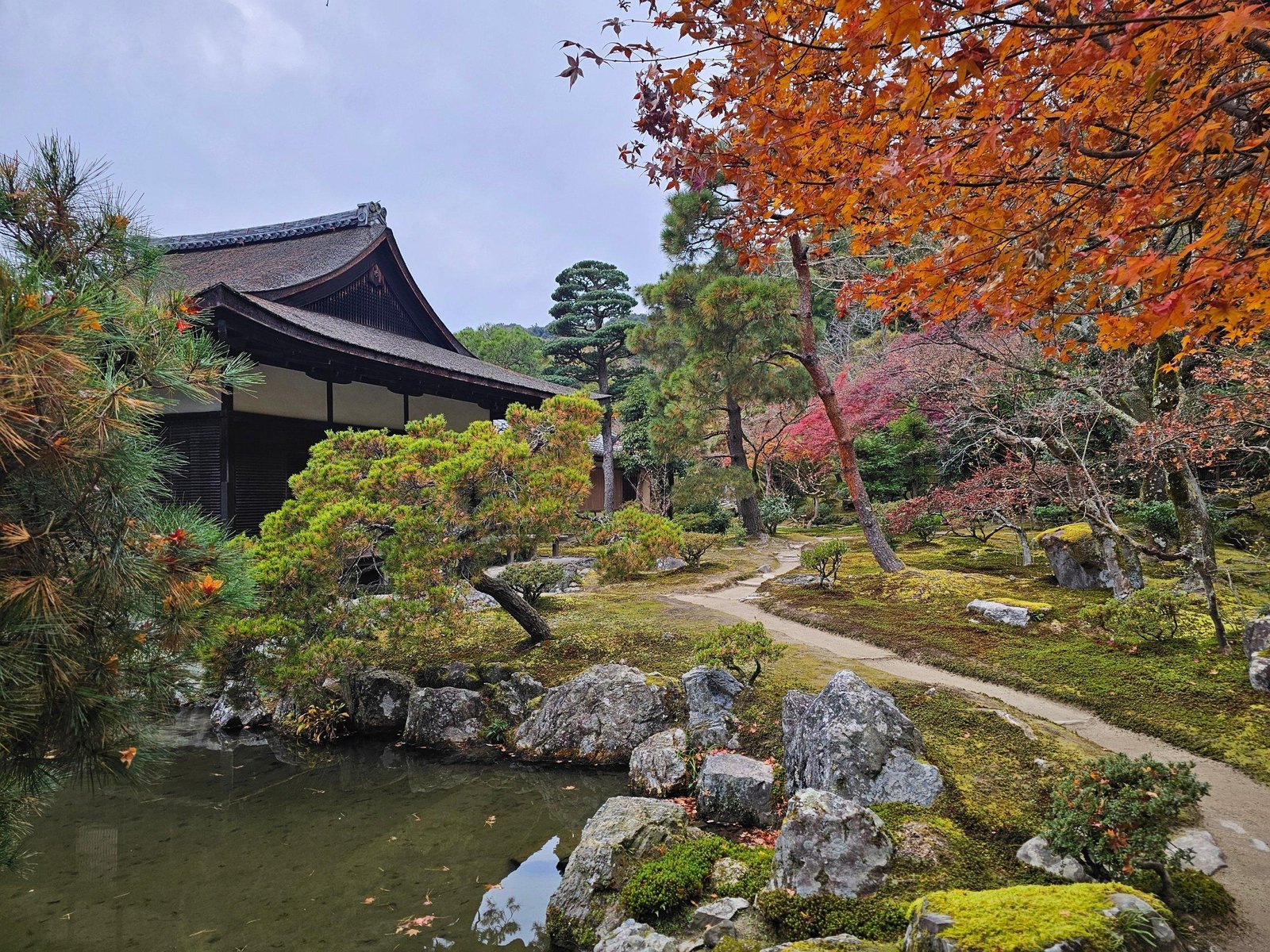
Autumn offers cooler conditions and colourful foliage in many parts of Japan. October and November can be appealing for sightseeing, although typhoons may affect travel earlier in autumn and seasonal colours vary.

Winter – December to February
Winter can provide crisp air and striking views of snow-capped Mount Fuji on clear days. Temperatures around the mountain are colder than in central Tokyo, so warm layers are essential. Some seasonal attractions may operate on reduced schedules.
For many travellers, spring and autumn are attractive choices. However, there is no single best season for everyone, and mountain visibility is never guaranteed.
Travel Information
Passport and visa requirements: Your passport should meet Japan's current entry requirements and remain valid for your planned stay. Visa requirements depend on nationality, passport type, purpose of travel and current regulations. Travellers departing from Switzerland should check the rules applicable to their citizenship rather than assuming Swiss residence determines visa eligibility.
Currency: Japan uses the Japanese yen (JPY). Cards are widely accepted in many urban establishments, but carrying some cash is useful for smaller businesses and certain local purchases.
Language: Japanese is the national language. English is available in many major tourist areas, but translation applications can help with menus, directions and communication in smaller communities.
Transportation: Tokyo has an extensive rail and subway network. Travel to the Mount Fuji area may involve a combination of trains, buses or private transport, depending on the confirmed itinerary. Allow extra time for transfers and luggage.
Weather and clothing: Pack comfortable walking shoes and clothing suitable for the season. Bring layers for the Mount Fuji region, where temperatures can be noticeably cooler than in Tokyo. Rain protection is useful throughout the year.
Electricity: Japan generally uses Type A and Type B electrical outlets, with a standard voltage of 100V. Travellers should check that their devices support the local voltage and bring a compatible plug adapter where needed.
Travel insurance: Comprehensive travel insurance is recommended to cover eligible medical expenses, trip interruption, cancellations and other unforeseen events under the policy terms.
Practical etiquette: Remove shoes where requested, follow signs at religious sites, queue patiently and observe local rules on waste disposal and public behaviour.
Frequently Asked Questions
1. What is the best time to take a Mount Fuji and Tokyo tour?
Spring and autumn are popular because of their seasonal scenery and generally comfortable sightseeing conditions. Summer offers green landscapes but can be hot and humid, while winter can bring excellent views of snow-capped Mount Fuji. Weather and visibility vary.
2. Is seven days enough to visit Tokyo and Mount Fuji?
Yes. Seven days provides a useful introduction to Tokyo and the Mount Fuji region, with time for cultural attractions, city sightseeing and nature. It will not cover every attraction in Japan, but it offers a balanced starting point for a first visit.
3. What is included in a Japan tour package?
Inclusions depend on the package selected. Accommodation, transport, guided sightseeing, meals and attraction fees should be itemised in the final quotation. GlobalLink Suisse can discuss your requirements and clarify the proposed arrangements before booking.
4. Can I see Mount Fuji from Tokyo?
Mount Fuji can sometimes be seen from selected locations in Tokyo on clear days, but visibility depends on weather and atmospheric conditions. Visiting the Fuji Five Lakes region provides additional opportunities to seek mountain views, although these are not guaranteed.
5. Do I need a visa to visit Japan?
Visa requirements depend on your nationality, passport and travel circumstances. Check the latest requirements with Japan's official immigration authorities or the relevant Japanese embassy or consulate before booking. Do not assume that holding a Swiss residence permit automatically grants visa-free entry.
6. Is this Japan tour suitable for families?
The combination of city attractions, cultural landmarks and scenic landscapes can suit families. The most appropriate itinerary depends on children's ages, walking tolerance, transport arrangements and interests. Accessibility and family-specific requirements should be discussed before confirmation.
Why Travel with GlobalLink Suisse?
Planning a trip to Japan involves more than choosing attractions. Travel dates, transport connections, accommodation standards, seasonal conditions and the balance between guided sightseeing and independent exploration all influence the experience.
GlobalLink Suisse provides a point of contact for discussing your travel preferences and developing a proposed itinerary around your priorities. For this Japan journey, that may mean focusing on Tokyo's cultural districts, allowing more time for Mount Fuji photography or considering additional experiences where the schedule permits.
The emphasis is on clear planning, relevant destination experiences and transparent package details. Before confirming a booking, travellers should receive information about the proposed itinerary, inclusions, exclusions, pricing and applicable booking conditions. This helps ensure that expectations are aligned with the services being arranged.
Customize Your Journey
Your seven-day Japan holiday can be discussed around your preferred travel dates, budget and travel style. When enquiring with GlobalLink Suisse, consider sharing the following details:
Travel dates: Your intended departure and return dates, including any flexibility.
Group size: Whether you are travelling alone, as a couple, with family or in a group.
Accommodation preferences: Your preferred hotel category, room arrangements and any accessibility requirements.
Sightseeing interests: Whether you prioritise culture, shopping, food, photography, nature or a combination.
Additional destinations: Whether you would like to discuss extending the trip beyond Tokyo and Mount Fuji.
Special requirements: Dietary needs, mobility considerations and other relevant preferences.
Any changes to the proposed itinerary, services or duration will be subject to feasibility, availability and confirmation in the final quotation.
Start Planning Your Japan Journey
Experience the contrast between Tokyo's vibrant streets and the scenic landscapes surrounding Mount Fuji with a thoughtfully planned seven-day Japan holiday.
Contact GlobalLink Suisse to discuss your preferred dates, accommodation requirements and sightseeing interests. The team can help you explore the proposed itinerary and clarify the arrangements needed for your trip.
Begin planning your Mount Fuji and Tokyo tour with GlobalLink Suisse.
Website: globalinksuisse.com