
Day 1 –Arrival in Tokyo and Introduction to Japanese Cuisine
Arrive in Tokyo and settle into your accommodation, subject to the confirmed arrangements. Depending on your arrival time, spend the remainder of the day exploring the surrounding neighbourhood, discovering a local shopping street or enjoying your first Japanese meal. This is an opportunity to become familiar with local dining customs and try a dish such as ramen, sushi or tempura. Keep the evening flexible to allow for rest after your journey.
Day 2 – Tokyo Sightseeing, Markets and Local Food
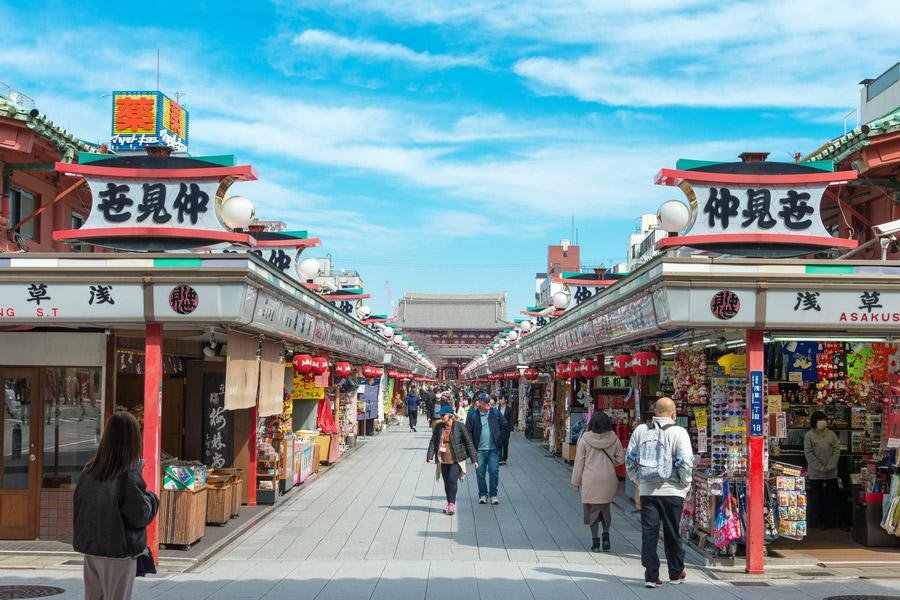
Explore selected areas of Tokyo to experience the city's blend of modern development and traditional culture. A suggested programme may include Asakusa and the historic Sensō-ji Temple area, alongside a visit to a food market or local shopping district, depending on the final route. Discover Japanese snacks, seasonal ingredients and everyday dining traditions. Additional time may be allocated to neighbourhoods known for their shopping, cafés or contemporary food scene.
Day 3 – Tokyo's Culinary and Cultural Neighbourhoods
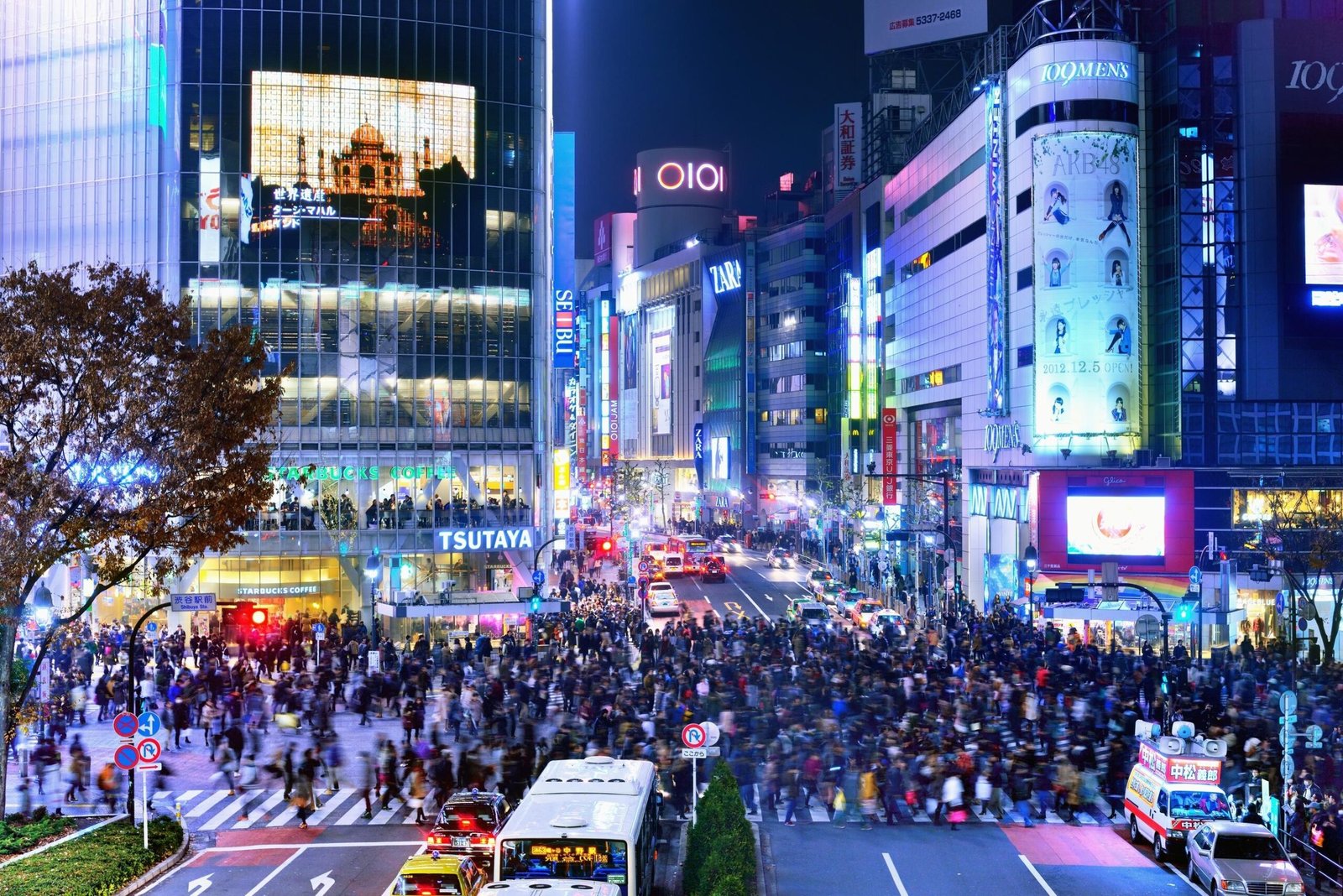
Continue discovering Tokyo through its neighbourhoods, food traditions and cultural landmarks. Depending on your preferences, the day could focus on traditional districts, contemporary city life, Japanese sweets or the different styles of restaurants found across the capital. Travellers interested in culinary learning may discuss a cooking demonstration or hands-on food experience when arranging the package. The afternoon can remain flexible for independent exploration and shopping.
Day 4 – Travel to Kyoto and Discover Historic Japan
Travel from Tokyo to Kyoto using the transport arrangements confirmed for your package. Japan's high-speed rail network is a common option for this journey, although the actual service and ticket arrangements must be confirmed. After arrival, begin exploring Kyoto's historic atmosphere with a walk through a traditional neighbourhood or a visit to a selected temple or shrine, depending on the available time. Enjoy the opportunity to discover Kyoto's distinctive cuisine, including seasonal dishes and traditional sweets.
Day 5 – Kyoto's Temples, Tea Culture and Traditional Streets
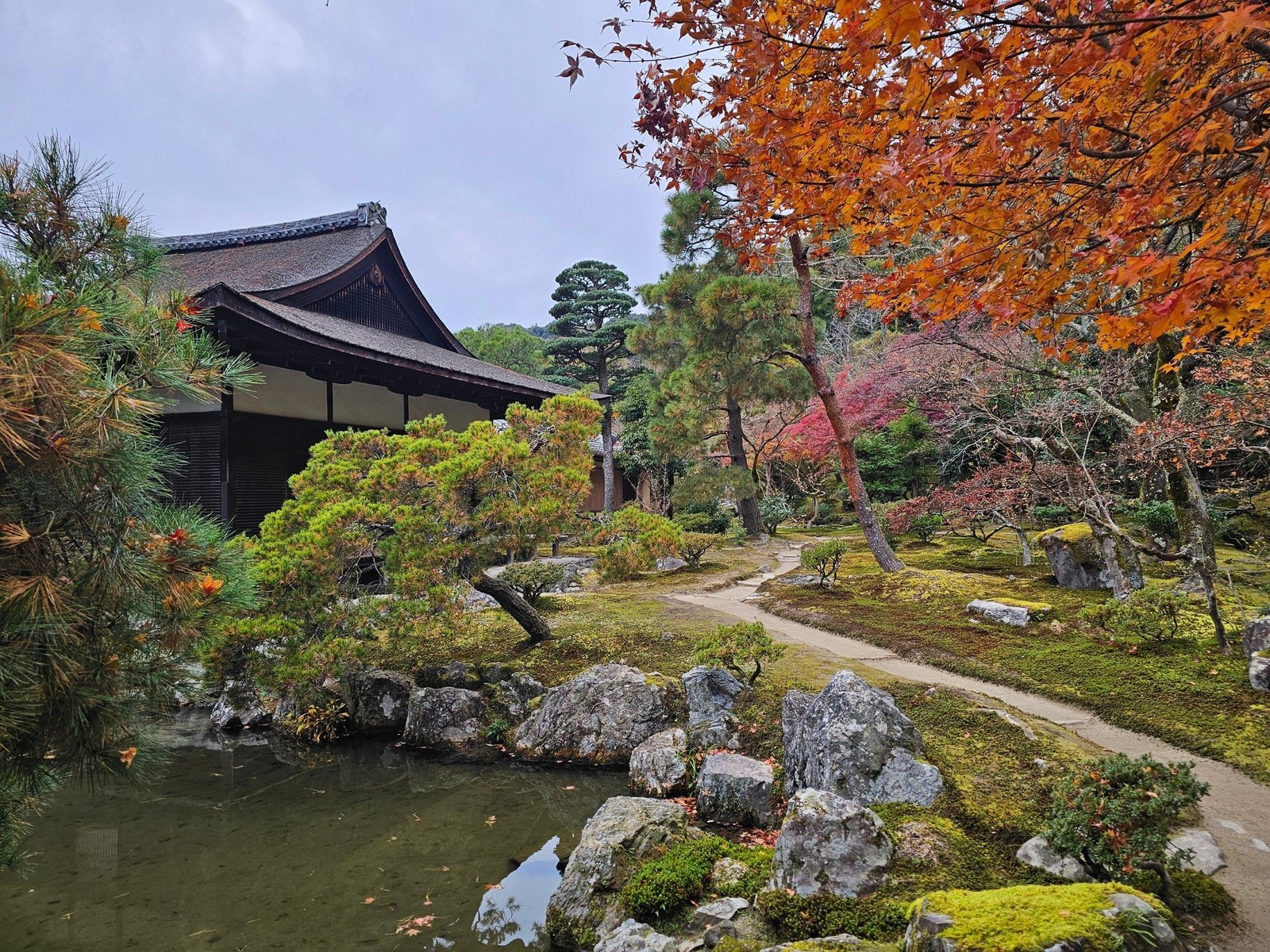
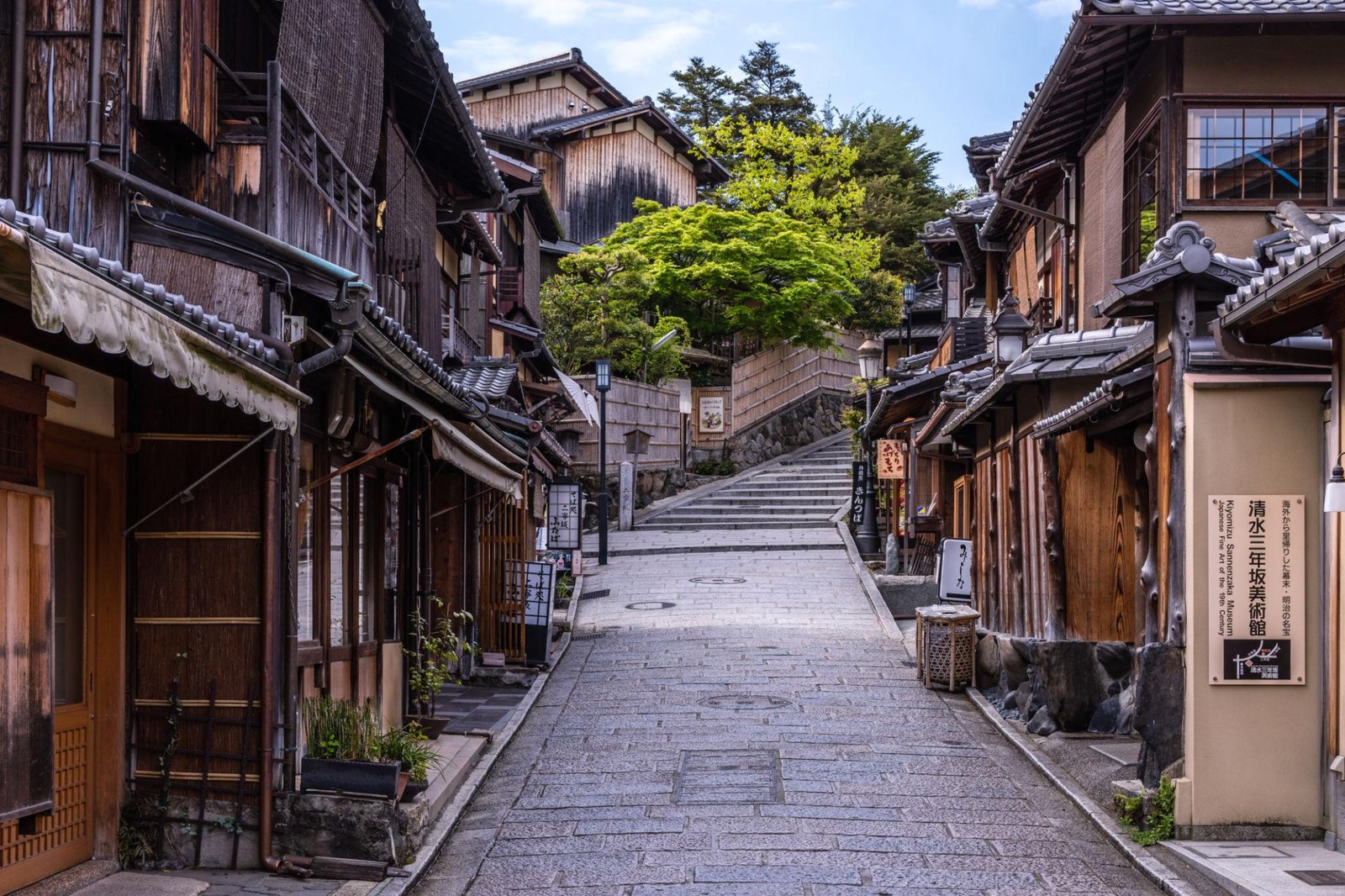
Dedicate the day to Kyoto's cultural heritage. Suggested visits may include the Fushimi Inari Taisha shrine, with its famous torii gates, or the Kiyomizu-dera Temple area and nearby historic streets. The final selection will depend on the pace and scope of the itinerary. Explore the relationship between Japanese architecture, spirituality, craftsmanship and local customs. Opportunities to learn about matcha, Japanese tea traditions or regional cuisine can be discussed during planning.
Day 6 –Travel to Osaka and Explore the City's Food Culture
Continue to Osaka using the transport arrangements confirmed for your trip. Once there, explore the city's lively commercial districts and distinctive dining culture. Dōtonbori is a suggested area for discovering Osaka's famous food scene, colourful streets and canal-side atmosphere. Depending on your preferences, sample local specialities such as takoyaki, savoury okonomiyaki or kushikatsu. Food purchases and organised tastings will depend on the final arrangements.
Day 7 – Osaka Sightseeing and Culinary Discovery
Spend another day exploring Osaka's cultural attractions, shopping streets and local food traditions. A suggested programme may include Osaka Castle Park, subject to the selected sightseeing plan, followed by time in a neighbourhood known for restaurants and casual dining. Travellers can use the day to discover regional flavours, Japanese confectionery or local markets. The schedule may also accommodate leisure time or additional cultural experiences, depending on the final itinerary.
Day 8 – Departure from Japan
Enjoy breakfast and any remaining leisure time according to your departure arrangements. Depending on your flight schedule, there may be an opportunity for a final walk, souvenir shopping or a last Japanese meal. Transfer arrangements and airport transportation should be confirmed in advance. Travellers departing from Osaka or connecting through another Japanese city should allow sufficient time for the journey to the relevant airport.
Important itinerary note: The order of destinations, activities and transport may change. Accommodation, meals, entrance fees, guided tours and transfers are not confirmed inclusions until specified in the final package.
Destinations & Experiences
1. Tokyo – Modern Japan and Culinary Diversity
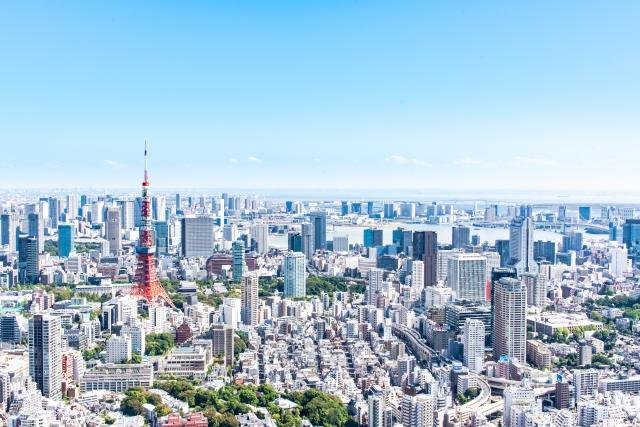
Tokyo offers a broad introduction to Japanese life, from historic Asakusa and its temple surroundings to contemporary shopping and dining districts. Its food culture includes sushi, ramen, tempura, yakitori, Japanese sweets and regional dishes from across the country. Markets, small eateries and neighbourhood streets provide opportunities to observe everyday dining customs alongside the city's larger attractions.
2. Kyoto – Heritage, Temples and Traditional Cuisine
Kyoto is known for its historic temples, shrines, gardens and preserved traditional streets. Its culinary heritage includes kaiseki dining, tofu dishes, yudofu, matcha and seasonal Japanese sweets. Travellers can explore the city's long-standing relationship with tea, craftsmanship and refined presentation, with specific visits and tasting experiences arranged according to the final programme.
3. Osaka – Street Food and Urban Life
Osaka offers a lively contrast to Kyoto's historic atmosphere. Dōtonbori and surrounding commercial districts are associated with street food, restaurants and vibrant evening scenes. Local favourites include takoyaki, okonomiyaki and kushikatsu. The city also offers cultural attractions, shopping areas and opportunities to experience the informal, social side of Japanese dining.
Culture, Food & Local Experiences
Food is an important part of understanding Japan, extending beyond individual dishes to include seasonality, presentation, regional identity and dining etiquette. This journey offers a framework for exploring those connections across three cities.
Japanese cuisine: Tokyo provides access to an exceptionally varied dining scene, while Kyoto is associated with seasonal cooking and refined traditional dishes. Osaka is famous for approachable local specialities and a strong culture of eating out. The precise dishes available will depend on the season, restaurant selection and individual preferences.
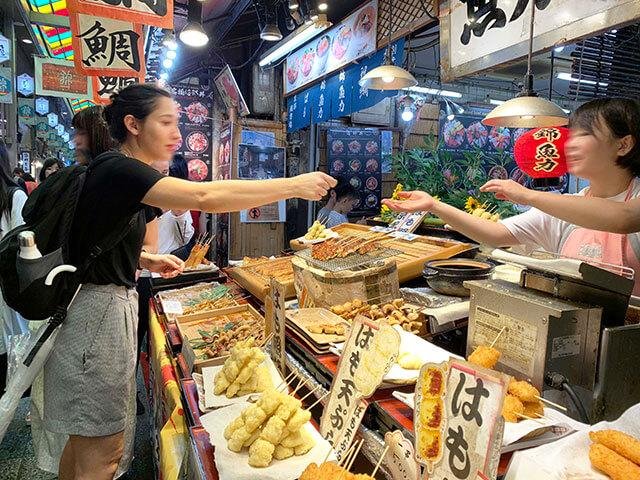
Markets and neighbourhoods: Local shopping streets and food markets can introduce travellers to Japanese produce, snacks, confectionery and everyday shopping habits. Some markets specialise in particular products, while others combine food stalls with shops and restaurants. Market visits should be selected according to opening days and the final route.
Tea and traditional customs: Kyoto is particularly associated with matcha and Japanese tea culture. A tea-related experience, if arranged, can provide insight into the attention given to preparation, presentation and hospitality. Traditional crafts and local arts may also be explored where time permits.
Dining etiquette: Japanese dining customs may include saying itadakimasu before a meal and gochisōsama deshita afterwards. Travellers should follow local guidance, avoid leaving chopsticks standing upright in rice and check restaurant policies before photographing people or food preparation areas.
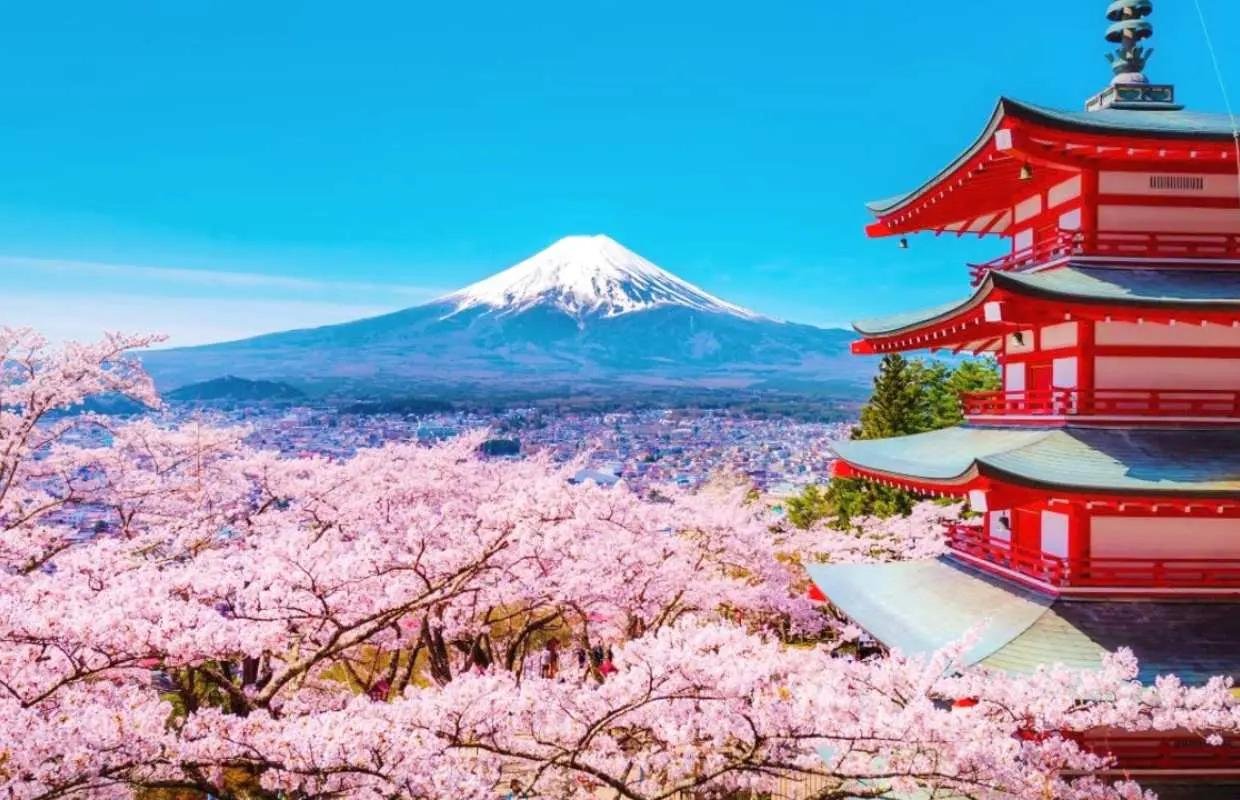
Seasonal experiences: Cherry blossoms in spring, summer festivals, autumn foliage and winter illuminations can add a seasonal dimension to the journey. These experiences are dependent on travel dates, local schedules and weather conditions rather than guaranteed features of the package.
Who This Tour Is For
This Japan food and culture tour is particularly suitable for:
Couples: A varied city holiday combining cultural sightseeing, local cuisine and leisure time.
Culinary Travellers: Visitors interested in regional specialities, Japanese food traditions and local dining experiences.
First-Time Visitors: A practical introduction to three major Japanese cities within eight days.
Culture and History Enthusiasts: Travellers drawn to temples, shrines, traditional neighbourhoods, tea culture and Japanese customs.
Friends and Small Groups: A shared journey with opportunities to explore food, markets and urban attractions.
Travellers from Switzerland and Europe: Visitors seeking a multi-city Japanese holiday with itinerary planning coordinated around their preferred departure dates.
Families may also enjoy the route, although the pace, walking distances, meal arrangements and age suitability of specific activities should be considered when planning.
Best Time to Visit Japan
Japan can be visited throughout the year, but the best time for a food and culture holiday depends on the weather, seasonal interests, crowd levels and preferred experiences.

Spring – March to May
Spring is popular for cherry blossoms, comfortable sightseeing weather and seasonal foods. Blossom timing varies by location and year, and well-known attractions can become crowded during peak periods.

Summer – June to August
Summer brings seasonal festivals, lively urban districts and summer dishes. Conditions can be hot and humid, with June often bringing the rainy season to much of the country. Travellers should plan for heat and possible rain.

Autumn – September to November
Autumn offers opportunities to experience seasonal cuisine and changing foliage, particularly in Kyoto. Temperatures generally become more comfortable as the season progresses, although foliage dates vary and early autumn can bring typhoons.

Winter – December to February
Winter is suitable for travellers interested in warming dishes, illuminated city streets and a different atmosphere at cultural sites. Tokyo, Kyoto and Osaka can experience cold weather, so warm clothing is important.
For many travellers, spring and autumn are attractive for combining outdoor sightseeing with culinary discovery. However, winter and summer can also suit visitors who prefer particular seasonal foods or cultural events. Book early if travelling during popular holiday periods.
Travel Information
Passport and visa requirements: Entry conditions depend on your nationality, passport type, purpose of travel and current Japanese immigration regulations. Check the latest requirements through the Japanese embassy or official immigration resources relevant to your circumstances before departure.
Currency: Japan uses the Japanese yen (JPY). Credit cards are widely accepted in many hotels, department stores and larger restaurants, but some smaller businesses may prefer cash. Carry a suitable payment option for markets and smaller establishments.
Language: Japanese is the national language. English is available in many major tourist areas, transport hubs and hotels, although communication may be more limited in smaller establishments. Translation applications and saved destination details can be useful.
Local transportation: Tokyo, Kyoto and Osaka have extensive rail, metro and bus networks. Intercity rail is a practical option for connecting the three cities. The most suitable tickets or passes depend on the confirmed route, travel dates and number of journeys.
Weather and clothing: Conditions vary considerably by season. Comfortable walking shoes are recommended because sightseeing often involves walking, stairs and time outdoors. Pack layers, rain protection and season-appropriate clothing.
Food allergies and dietary requirements: Inform the travel planner and relevant restaurants about allergies or dietary needs before booking. Communicating restrictions in Japanese can help, but ingredients and preparation practices must still be verified directly with the provider. Vegetarian, vegan, halal and gluten-free arrangements should not be assumed to be available everywhere.
Electricity: Japan generally uses Type A plugs and a 100-volt electrical supply. Travellers should check whether their devices support the local voltage and whether they need a suitable plug adapter.
Travel insurance: Comprehensive travel insurance is advisable. Check that your policy covers medical expenses, trip interruption, cancellation and any activities you plan to undertake.
Travelling from Switzerland: Travellers departing from Switzerland should compare available flight routes and connection times for their dates. International flights are not confirmed as part of this tour unless explicitly stated in the final quotation.
Frequently Asked Questions
1. What is included in the Japan food and culture tour?
The package inclusions depend on the final arrangements. Accommodation, intercity transport, guided sightseeing, meals and culinary experiences should each be confirmed in writing before booking.
2. How many days do you need for a Japan food and culture holiday?
Eight days provides a useful introduction to Tokyo, Kyoto and Osaka. It allows time for selected sightseeing, food exploration and cultural experiences, although travellers who want to explore more regions or travel at a slower pace may prefer a longer holiday.
3. What foods can I try in Tokyo, Kyoto and Osaka?
Tokyo is known for its broad range of sushi, ramen and tempura options. Kyoto offers dishes associated with seasonal cooking, tofu and matcha, while Osaka is particularly associated with takoyaki, okonomiyaki and kushikatsu. Specific tasting experiences depend on the final itinerary.
4. When is the best time to book a Japan food and culture tour?
Spring and autumn are popular for comfortable sightseeing and seasonal scenery. Booking in advance is advisable for peak travel periods, particularly if you have fixed dates or specific accommodation preferences.
5. Is Japan suitable for first-time international visitors?
Yes. Tokyo, Kyoto and Osaka offer established tourism infrastructure, extensive public transportation and a wide range of cultural attractions. Planning transport, dietary requirements and daily routes in advance can make the experience easier to navigate.
Why Travel with GlobalLink Suisse?
Planning a multi-city holiday in Japan involves more than choosing attractions. Travellers must consider transport connections, accommodation locations, sightseeing schedules, dining preferences and the amount of time available in each destination. GlobalLink Suisse offers a point of contact for discussing these requirements and developing a proposed itinerary around your travel priorities.
For this journey, the focus is on bringing together Japan's culinary diversity and cultural heritage in a practical eight-day framework. Whether your interests centre on local cuisine, historic neighbourhoods, traditional customs or a combination of experiences, the planning process can help establish which activities fit your schedule and budget.
Travellers can discuss their expectations before requesting a quotation, including the preferred accommodation standard, transport arrangements, group composition and any special requirements. The final itinerary, services, availability and costs should be confirmed before any booking is made.
Customize Your Journey
Make this eight-day Japanese holiday reflect your interests by discussing the following with GlobalLink Suisse:
Travel Dates: Choose your preferred season and departure window.
Duration: Discuss whether eight days is suitable or whether you would prefer additional time.
Group Size: Share whether you are travelling alone, as a couple, with family or in a group.
Accommodation Preferences: Specify your preferred category, location and room requirements.
Food Experiences: Identify the dishes, regional cuisines, markets or cooking activities that interest you.
Cultural Visits: Discuss temples, shrines, traditional neighbourhoods, tea culture and other potential experiences.
Transport Arrangements: Clarify intercity travel, airport transfers and local transportation.
Special Requirements: Communicate dietary needs, accessibility considerations and other relevant preferences.
All proposed changes and services are subject to availability, feasibility and confirmation in the final quotation.
Plan Your Japan Food and Culture Tour with GlobalLink Suisse
Discover the distinct personalities of Tokyo, Kyoto and Osaka through Japanese cuisine, historic landmarks and local traditions. This eight-day journey offers a starting point for exploring the country at a pace that balances sightseeing with food and cultural discovery.
Ready to explore Japan? Contact GlobalLink Suisse to discuss your preferred travel dates, itinerary, accommodation requirements and culinary interests. Request a tailored quotation and start planning your Japan holiday.
Website: GlobalLink Suisse