
South Korea 6-Day K-Culture Experience – Seoul, Korean Heritage & Modern Entertainment
Discover the energy, creativity and traditions of South Korea on a six-day cultural journey through Seoul, a capital where historic palaces and traditional neighbourhoods exist alongside contemporary entertainment, fashion and technology. This South Korea K-culture tour introduces travellers to the cultural influences behind Korean dramas, K-pop, beauty trends, distinctive cuisine and the country’s growing global appeal.
Designed for travellers who want more than conventional sightseeing, this experience combines Korean heritage with opportunities to explore modern city life, discover local food and learn about the traditions that continue to shape contemporary society. From the architectural beauty of historic royal sites to the lively atmosphere of shopping districts and cultural neighbourhoods, Seoul offers a varied introduction to the country.
Whether you are a fan of Korean entertainment, a first-time visitor to Asia or a traveller interested in contemporary culture, this six-day South Korea holiday offers a flexible starting point for discovering the country’s many cultural dimensions. GlobalLink Suisse can help you discuss your preferred travel dates, interests and package requirements.
Tour Overview
South Korea has become a major international cultural destination, attracting visitors through its music, television, cinema, cuisine, fashion and beauty industries. Yet the country’s modern creative identity is closely connected to a rich cultural heritage, visible in traditional architecture, historic royal sites, customs and everyday social life.
This six-day experience focuses on Seoul, the country’s dynamic capital and one of the most rewarding destinations for exploring both traditional and contemporary Korean culture. Depending on the final itinerary, travellers can discover historic palaces, visit traditional neighbourhoods, explore shopping and entertainment districts, sample Korean dishes and learn more about the global influence of the Korean Wave, commonly known as Hallyu.
The journey is intended to balance organised sightseeing with time to explore the city at a comfortable pace. Visitors may choose to focus on K-pop, Korean dramas, traditional culture, beauty and fashion, or a combination of interests. Specific attractions, activities, accommodation and transportation arrangements will depend on the selected package.
With six days available, Seoul provides a practical base for a varied cultural holiday without requiring frequent changes of accommodation. The result is a South Korea cultural tour suited to travellers seeking an engaging introduction to the country’s heritage, creative industries and contemporary lifestyle.
Tour Highlights
Discover Seoul’s royal heritage: Explore historic palace grounds and traditional architecture that reflect Korea’s royal history.
Explore the Korean Wave: Learn about the international popularity of K-pop, Korean dramas, film and digital entertainment.
Experience contemporary Seoul: Discover fashionable neighbourhoods, modern shopping areas and lively urban districts.
Taste Korean cuisine: Sample local favourites such as bibimbap, bulgogi, Korean barbecue and street-food specialities where available.
Visit traditional neighbourhoods: Experience the contrast between preserved historic streets and the surrounding modern city.
Discover Korean beauty and fashion: Explore the retail culture associated with K-beauty, skincare, cosmetics and contemporary Korean style.
Learn about local customs: Gain insight into Korean etiquette, food traditions, social customs and everyday life.
Enjoy a flexible six-day itinerary: Combine cultural sightseeing, entertainment-related interests and personal exploration according to your preferences.
Places You'll See



Tour Itinerary
Day 1 – Arrival in Seoul and Introduction to Korean Culture
Arrive in Seoul and begin your introduction to South Korea's capital. Depending on your arrival arrangements, the day may include a transfer to your accommodation and time to settle in before exploring the surrounding area.
If time permits, enjoy an introductory walk through a nearby shopping or dining district to experience the city's atmosphere. Observe the contrast between modern architecture, traditional food establishments and the everyday rhythm of Korean urban life.
The remainder of the day can be kept flexible to allow for travel fatigue, with opportunities to enjoy a first Korean meal or prepare for the experiences ahead.
Day 2 – Royal Heritage and Traditional Seoul
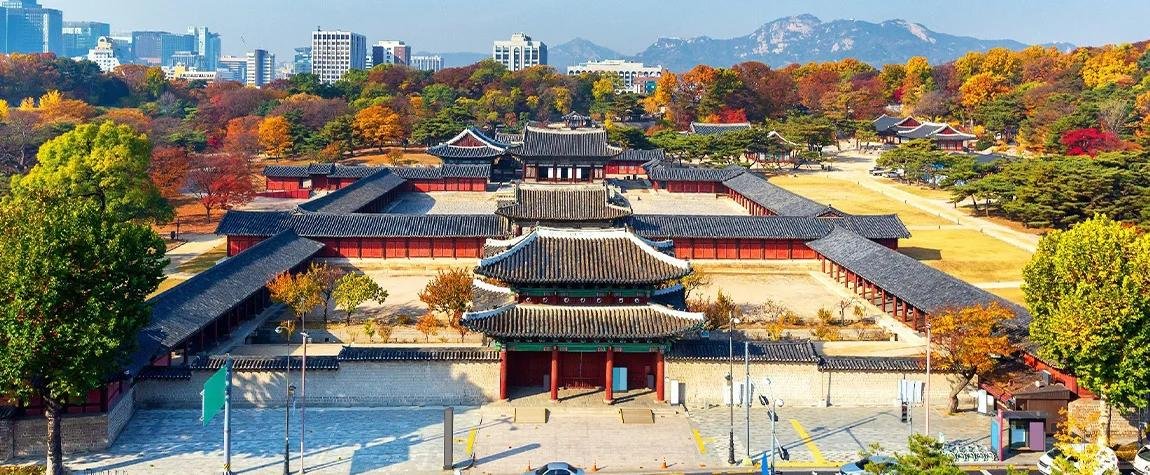
Explore the historical side of Seoul through its royal architecture, traditional streets and cultural landmarks. A visit to Gyeongbokgung Palace, subject to the final arrangements, can provide insight into Korea's royal history and traditional architectural design.
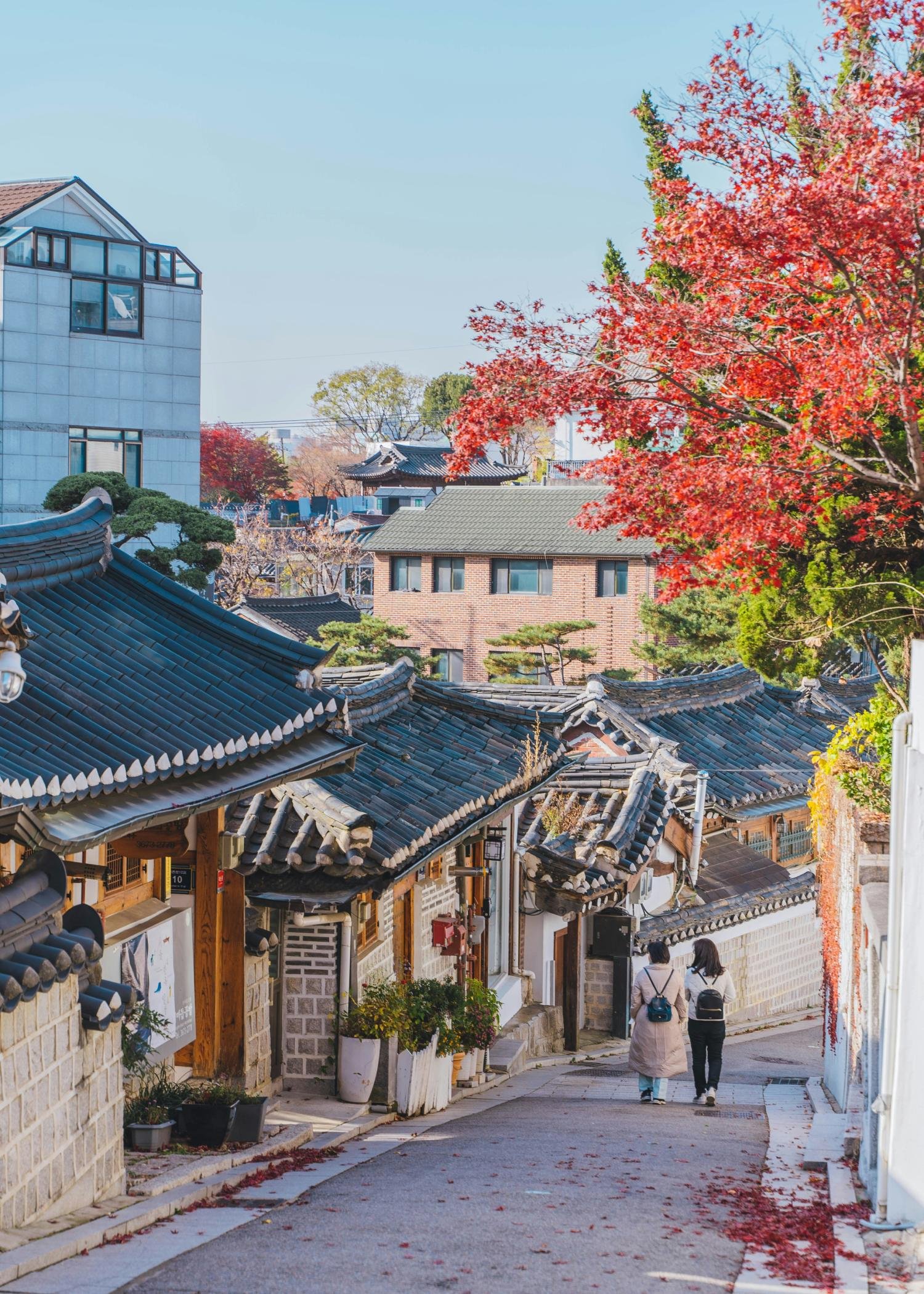
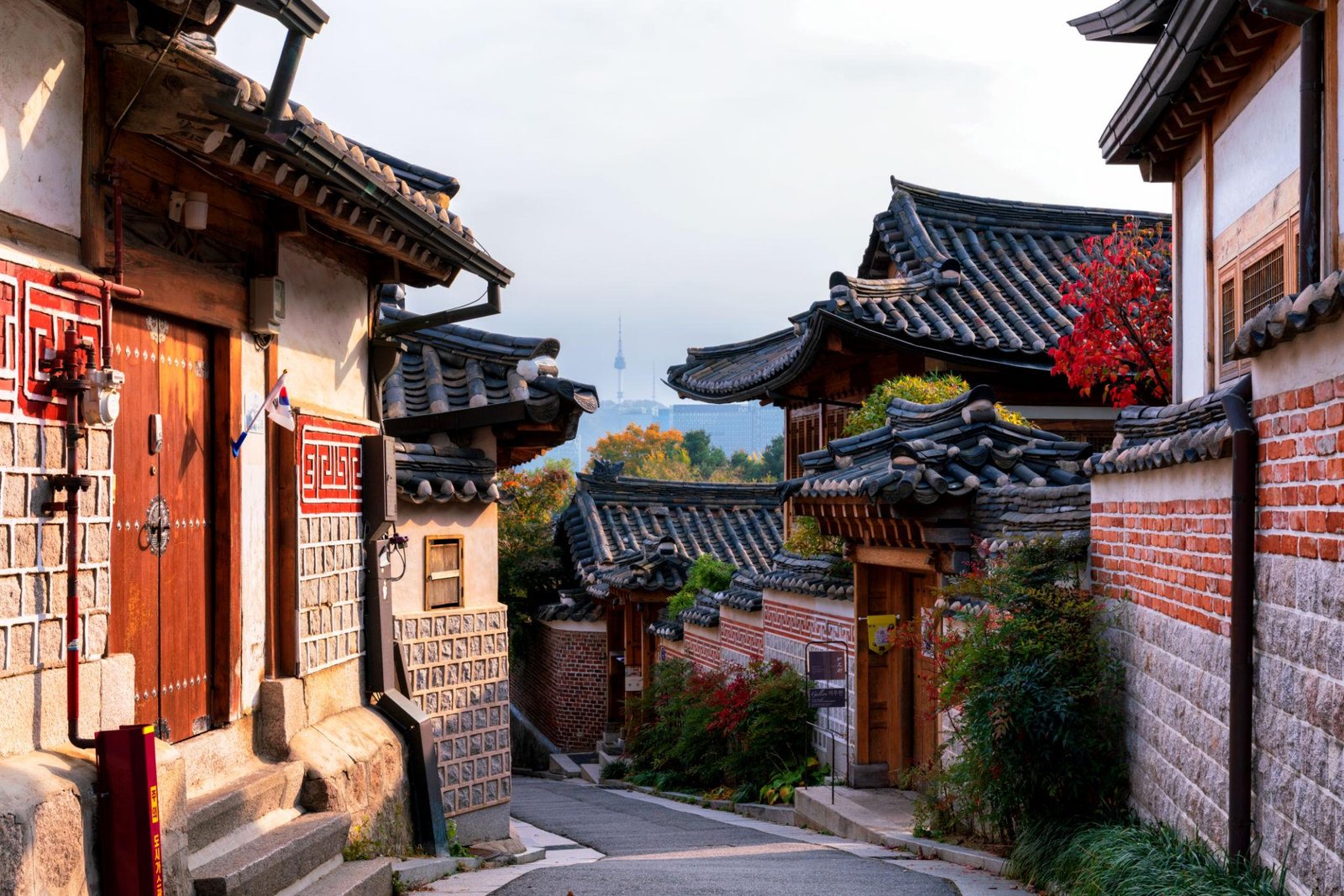
The day may also include a visit to Bukchon Hanok Village, known for its traditional Korean houses, or Insadong, an area associated with traditional crafts, art, tea culture and souvenir shopping.
These experiences offer an opportunity to understand the heritage behind contemporary Korean identity. Walking routes and the number of attractions visited will depend on the final schedule.
Day 3 –K-Pop, Korean Dramas and Modern Entertainment
Discover the contemporary entertainment culture that has helped introduce South Korea to audiences around the world. Depending on your interests and available arrangements, explore entertainment-related districts, K-pop merchandise shops or areas associated with Korean music and television culture.
The experience can also introduce travellers to the wider Korean Wave, including the influence of streaming platforms, Korean cinema, television productions and digital media.
Fans may wish to explore additional K-pop or drama-related attractions where access is available. Studio visits, concerts, performances and special fan experiences are not assumed to be included and would require separate confirmation.
Day 4 –Korean Food, Markets and Everyday Life
Spend the day discovering Korean cuisine and the food traditions that form an important part of local culture. Depending on the itinerary, explore a traditional market or food district, observe the variety of ingredients used in Korean cooking and sample dishes at selected eateries.
Possible food experiences include bibimbap, bulgogi, mandu dumplings, tteokbokki rice cakes and Korean barbecue. Availability, dietary requirements and the final selection of food experiences will depend on the arrangements made.
Time can also be set aside to explore local shops and neighbourhood streets, offering a closer look at everyday Seoul beyond its major attractions.
Day 5 –Korean Beauty, Fashion and Contemporary Lifestyle
Explore the modern lifestyle trends that have contributed to South Korea's international reputation. Depending on your interests, the day may focus on shopping districts, Korean skincare and cosmetics, fashion boutiques, design-led retail spaces or other contemporary cultural experiences.
Travellers interested in Korean beauty can discover the range of skincare products and cosmetics available in local stores, while fashion enthusiasts may enjoy exploring neighbourhoods known for shopping and youth culture.
The day can also remain flexible for personal sightseeing, photography, café visits or additional cultural attractions. Optional activities should be selected and confirmed before travel.
Day 6 -Final Discoveries and Departure
Enjoy your final morning in Seoul according to your departure schedule. Depending on flight times and the package arrangements, there may be an opportunity for a relaxed breakfast, last-minute shopping or a short walk through the surrounding neighbourhood.
Complete the departure arrangements, including any confirmed transfer to the airport. Travellers extending their stay may wish to discuss additional nights or further destinations with GlobalLink Suisse.
The tour concludes with a broad introduction to South Korea's royal heritage, food culture, contemporary entertainment and modern city life.
Destinations & Experiences
Seoul – The Heart of South Korea's K-Culture
Seoul is the principal destination for this tour and offers an accessible introduction to the country's cultural contrasts. Historic palaces, traditional markets and preserved neighbourhoods sit alongside contemporary shopping streets, entertainment districts and modern architecture.
Travellers can explore the city's historic identity, discover popular food areas and learn about the industries behind K-pop, Korean television and beauty trends. Seoul's variety makes it particularly suitable for a six-day itinerary combining heritage and modern entertainment.
Gyeongbokgung Palace – Royal History and Architecture
Gyeongbokgung is one of Seoul's most recognised royal palace sites. Its courtyards, gates and traditional buildings provide an introduction to the history and architectural traditions of Korea's Joseon dynasty.
A palace visit can add historical context to the tour, helping travellers understand how Korea's heritage continues to influence its cultural identity. Opening arrangements and any special activities should be checked for the intended travel dates.
Bukchon Hanok Village – Traditional Korean Architecture
Bukchon Hanok Village is known for its traditional Korean houses, or hanok, and its historic urban setting. It offers a different perspective on Seoul from the city's contemporary commercial districts.
As this is a residential neighbourhood, visitors should respect local privacy, observe posted restrictions and keep noise to a minimum.
Insadong – Crafts, Art and Traditional Culture
Insadong is associated with art galleries, traditional crafts, tea houses and shops selling cultural souvenirs. It is a useful place to explore Korean artistic traditions and discover objects connected to local design and craftsmanship.
Contemporary Shopping and Entertainment Districts
Seoul's modern districts offer opportunities to discover K-pop merchandise, Korean cosmetics, fashion, cafés and entertainment-related retail. The specific neighbourhoods included will depend on the final itinerary and the traveller's interests.
Culture, Food & Local Experiences
South Korean culture combines long-established traditions with a rapidly evolving contemporary lifestyle. Respectful greetings, social etiquette, shared meals and seasonal celebrations remain important parts of everyday life, while music, film, fashion and digital media continue to influence how the country is perceived internationally.
Understanding the Korean Wave
The Korean Wave, or Hallyu, describes the international spread of South Korean popular culture. K-pop groups, Korean dramas, films, online entertainment and beauty products have helped introduce Korean language, fashion and lifestyle trends to global audiences.
A K-culture holiday offers an opportunity to explore this phenomenon in its home country. Visitors can discover entertainment-related retail, experience Seoul's contemporary districts and appreciate how popular culture connects with food, fashion and everyday consumer life.
Discovering Korean Cuisine
Food is an important part of any visit to South Korea. Korean meals often feature rice, vegetables, soups, fermented foods and a variety of side dishes. Popular options include:
Bibimbap: Rice served with vegetables and other toppings, commonly accompanied by a spicy sauce.
Bulgogi: Thinly sliced marinated beef prepared by grilling or other cooking methods.
Korean barbecue: A dining style centred on grilled meat and accompanying side dishes.
Kimchi: Fermented vegetables, commonly cabbage or radish, seasoned with Korean spices.
Tteokbokki: Chewy rice cakes commonly served in a spicy sauce.
Mandu: Korean dumplings with a variety of fillings.
Not every dish is suitable for every dietary requirement, and recipes can vary in spice level and ingredients. Travellers with allergies or dietary restrictions should communicate these before dining.
Markets, Cafés and Local Shopping
Markets and neighbourhood shopping streets offer opportunities to experience Seoul beyond its major landmarks. Visitors can discover local snacks, souvenirs, fashion, cosmetics and everyday products while observing how traditional businesses coexist with contemporary retail.
Cafés are also an important feature of Seoul's urban lifestyle, with a wide variety of settings and design styles. These experiences can be incorporated into free time according to the final itinerary.
Who This Tour Is For
This South Korea K-culture tour may appeal to:
K-pop and Korean drama fans interested in exploring the cultural environment behind their favourite entertainment.
First-time visitors to South Korea seeking a balanced introduction to Seoul's heritage and modern lifestyle.
Couples and friends looking for a city holiday combining sightseeing, shopping and food.
Families with older children or teenagers interested in Korean entertainment, fashion and contemporary culture, subject to individual interests.
Cultural travellers who want to understand the relationship between Korea's history and its modern identity.
Food enthusiasts and shoppers interested in Korean cuisine, skincare, cosmetics and local retail culture.
Solo travellers seeking a city-based cultural experience with opportunities for independent exploration.
The itinerary is particularly suited to travellers who prefer a focused urban holiday rather than a trip involving several long-distance transfers.
Best Time to Visit South Korea
South Korea experiences four distinct seasons, each offering a different atmosphere for sightseeing and cultural exploration.
Spring (March–May): Spring is popular for comfortable sightseeing conditions and seasonal cherry blossoms, which generally appear at different times depending on the location and weather. April is often attractive for exploring Seoul on foot, although blossom timing varies annually.
Summer (June–August): Summer brings warmer temperatures, high humidity and a monsoon period that can include substantial rainfall. It can still be a rewarding time for shopping, indoor attractions, cafés and entertainment experiences. Light clothing and rain protection are advisable.
Autumn (September–November): Autumn is often an excellent season for city sightseeing, with cooler conditions and colourful foliage in many areas. September and October are particularly worth considering for travellers who prefer to spend time walking around historic sites and neighbourhoods.
Winter (December–February): Winter can be cold, with temperatures sometimes falling below freezing. Warm clothing is essential, but indoor cultural attractions, shopping districts and food experiences can make a winter visit appealing.
For a K-culture-focused holiday, spring and autumn are strong choices for balancing outdoor sightseeing with indoor activities. The best dates ultimately depend on your preferences, weather conditions and the availability of any specific events or entertainment experiences.
Travel Information
Passport and entry requirements: Travellers should have a valid passport and check the current entry rules for their nationality before departure. Visa requirements, permitted stays and any applicable electronic travel authorisation requirements can change. Confirm the latest information through official South Korean immigration or consular sources.
Currency: South Korea uses the South Korean won (KRW). Cards are widely used in urban areas, but carrying some local currency can be useful for smaller purchases and certain market transactions. Payment methods should be checked before travelling.
Language: Korean is the official language. English is available in many major tourist settings, but it is not universally spoken. Translation apps and a few basic Korean expressions can be helpful.
Local transportation: Seoul has an extensive public transportation network, including subway and bus services. The most suitable options for airport transfers and sightseeing will depend on the itinerary, luggage requirements and selected package.
Weather and clothing: Pack according to the season. Comfortable walking shoes are useful throughout the year, while spring and autumn travellers may benefit from layers. Summer visitors should prepare for heat and rain, and winter visitors should bring a warm coat, gloves and suitable footwear.
Electricity: South Korea generally uses 220V electricity and Type C or Type F plugs. Travellers should check their devices' voltage compatibility and bring an appropriate adapter.
Travel insurance: Comprehensive travel insurance is recommended to help cover eligible medical expenses, trip disruption and other unforeseen events, subject to the policy terms.
Time zone: South Korea operates on Korea Standard Time (UTC+9).
Responsible sightseeing: Follow local rules at historic and religious sites, respect residents in traditional neighbourhoods and seek permission before photographing people where appropriate.
Frequently Asked Questions
1. What is included in a South Korea K-culture tour?
Inclusions depend on the selected package. Accommodation, transportation, sightseeing, entrance fees, meals and guide services must be confirmed in the final quotation. Optional entertainment experiences should be checked separately.
2. How many days do you need in South Korea?
Six days is a practical starting point for exploring Seoul's heritage, cuisine, shopping and contemporary entertainment culture. Travellers who want to include Busan, Jeju Island or other regions should consider a longer itinerary.
3. What is the best time to take a South Korea K-culture tour?
Spring and autumn are generally attractive for sightseeing and walking around Seoul. Summer and winter also offer worthwhile cultural experiences, but travellers should prepare for seasonal rain, humidity or cold weather.
4. Is this tour suitable for first-time visitors?
Yes. A Seoul-focused itinerary offers an introduction to South Korea's history, food, popular culture and urban lifestyle without requiring frequent intercity travel. The final pace can be discussed during the planning process.
5. Can I visit K-pop and Korean drama attractions?
Entertainment-related shops, districts and selected attractions may be incorporated depending on your interests and the final itinerary. Concerts, studio access and special fan events are subject to availability and are not guaranteed.
Why Travel with GlobalLink Suisse?
GlobalLink Suisse provides a point of contact for travellers planning international journeys, including cultural holidays that combine heritage, contemporary experiences and personal interests. For a South Korea trip, this means having an opportunity to discuss the type of experience you want rather than relying on a one-size-fits-all itinerary.
A well-planned K-culture holiday benefits from balancing major attractions with enough time to explore neighbourhoods, enjoy local food and discover the city's modern lifestyle. GlobalLink Suisse can discuss your priorities, preferred pace, accommodation expectations and travel dates when preparing a suitable proposal.
As a Switzerland-based travel company serving inbound and outbound tourism needs, GlobalLink Suisse can also discuss practical arrangements for travellers departing from Switzerland and other origins. The services, inclusions and support available will be clarified during the enquiry and quotation process.
Make your six-day South Korea experience reflect your interests. When contacting GlobalLink Suisse, consider discussing the following:
Travel dates: Choose your preferred season and approximate departure dates.
Group size: Indicate whether you are travelling alone, as a couple, with family or as part of a group.
Accommodation preferences: Discuss your preferred accommodation category and location.
Cultural interests: Prioritise K-pop, Korean dramas, traditional heritage, food, fashion, beauty or a balanced combination.
Additional destinations: Ask about extending your stay to Busan, Jeju Island or other South Korean destinations.
Special requirements: Share dietary needs, mobility considerations and other relevant travel preferences.
All arrangements remain subject to availability, feasibility and confirmation in the final proposal.
Start Planning Your South Korea K-Culture Experience
Ready to discover the traditions, entertainment and contemporary lifestyle that make South Korea such a compelling destination? Contact GlobalLink Suisse to discuss your preferred travel dates, itinerary, accommodation requirements and cultural interests.
Whether you want to explore Seoul's royal heritage, discover Korean cuisine, follow the influence of K-pop or experience the country's modern shopping and entertainment culture, this six-day journey offers a starting point for planning your holiday.
Contact GlobalLink Suisse to enquire about the South Korea 6-Day K-Culture Experience and begin planning your journey.
Website: https://globalinksuisse.com/
Price Includes
The final package inclusions have not yet been specified. Depending on the selected arrangement, the package may be designed around accommodation, airport transfers, sightseeing, local transportation and guided cultural experiences.
Final inclusions are confirmed based on the selected package and itinerary. Before booking, request a written quotation that clearly identifies:
Accommodation category and number of nights.
Airport transfers and other transportation arrangements.
Sightseeing tours, entrance fees and activity costs.
Guide services, where applicable.
Meals, if included.
Any additional services or special experiences selected.
Concert tickets, entertainment access, studio visits, meals and other optional experiences should not be assumed to be included unless explicitly stated in the confirmed quotation.
Not Included:
The following items may be excluded, depending on the package selected:
International flights to and from South Korea.
Travel insurance.
Visa or travel-authorisation fees, where applicable.
Meals and drinks not specified as included.
Personal shopping, souvenirs and other personal expenses.
Optional excursions, performances or entertainment tickets.
Early check-in, late check-out or additional accommodation nights unless confirmed.
Any service not expressly listed in the final package inclusions.
The confirmed quotation should distinguish between included services, optional extras and expenses payable directly by the traveller.
Ideal For
- Culture seekers and first-time visitors to South Korea
- K-drama and K-pop fans
- Educational and alumni groups
- Wellness and spiritual travelers