



Day 1 – Arrival in Seoul and City Introduction
Arrive in Seoul and transfer to your accommodation according to the arrangements confirmed for your package. After settling in, spend time getting acquainted with the city and its distinctive blend of traditional culture and modern urban life.
Depending on your arrival time, you may wish to take a relaxed walk around your neighbourhood, explore nearby cafés or enjoy your first Korean meal. A visit to a lively shopping or dining district can provide an informal introduction to Seoul's pace of life.
Suggested experience: A relaxed evening exploring the local surroundings and sampling Korean cuisine.
Day 2 – Royal Palaces and Traditional Seoul
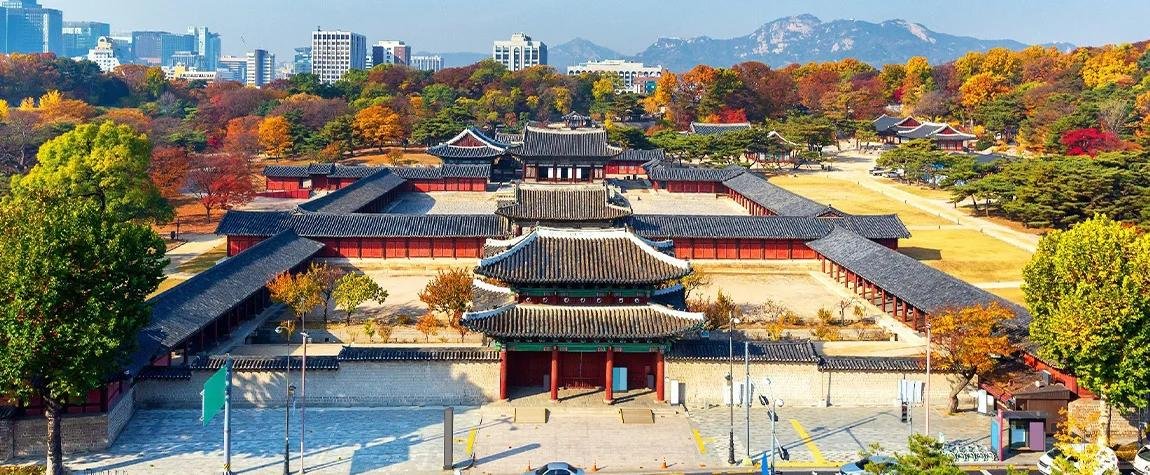
Discover the historic side of the capital with a suggested visit to Gyeongbokgung Palace, one of Seoul's most recognisable royal landmarks. The palace provides an introduction to Korea's royal history, traditional architecture and the heritage of the Joseon Dynasty.
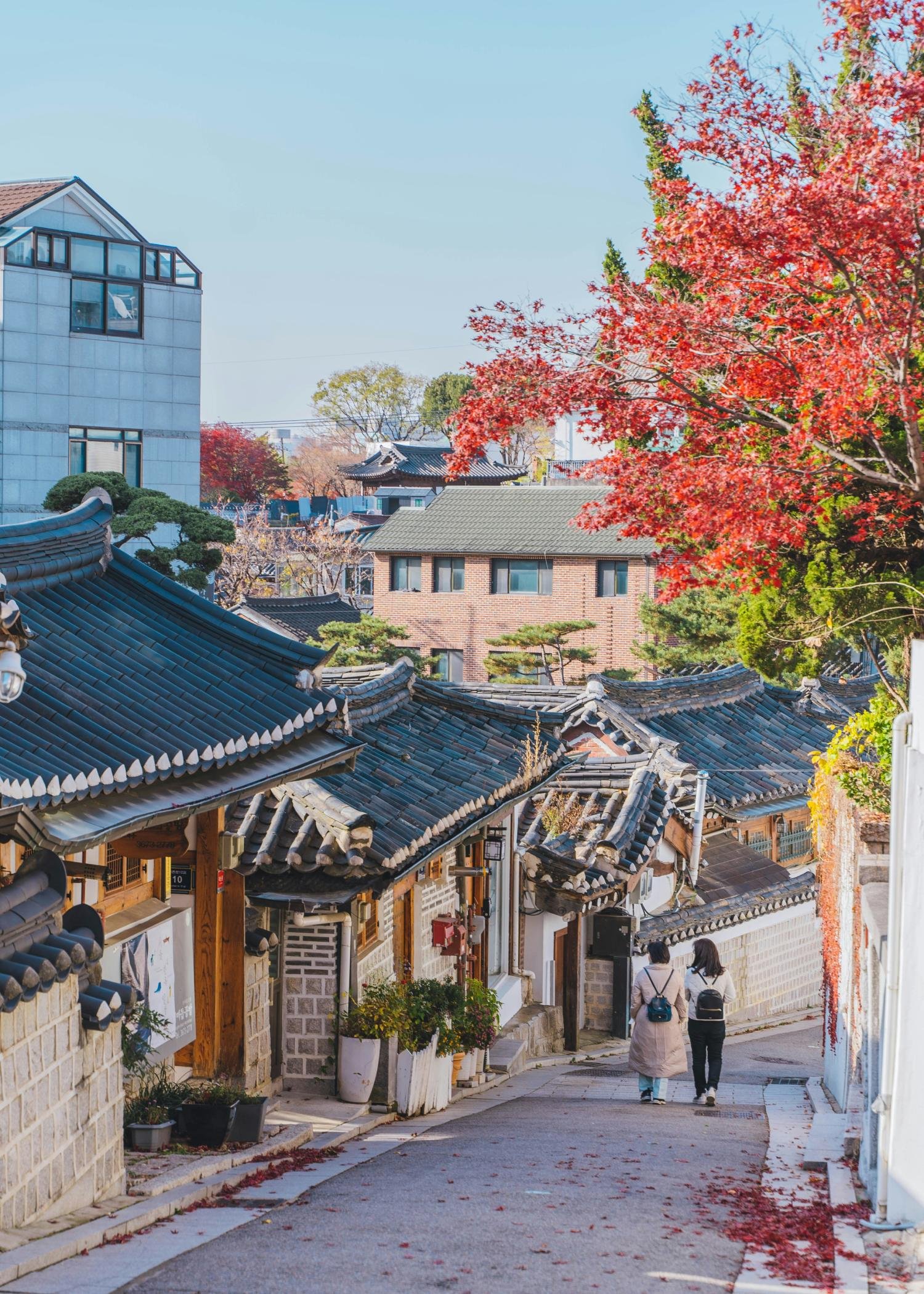
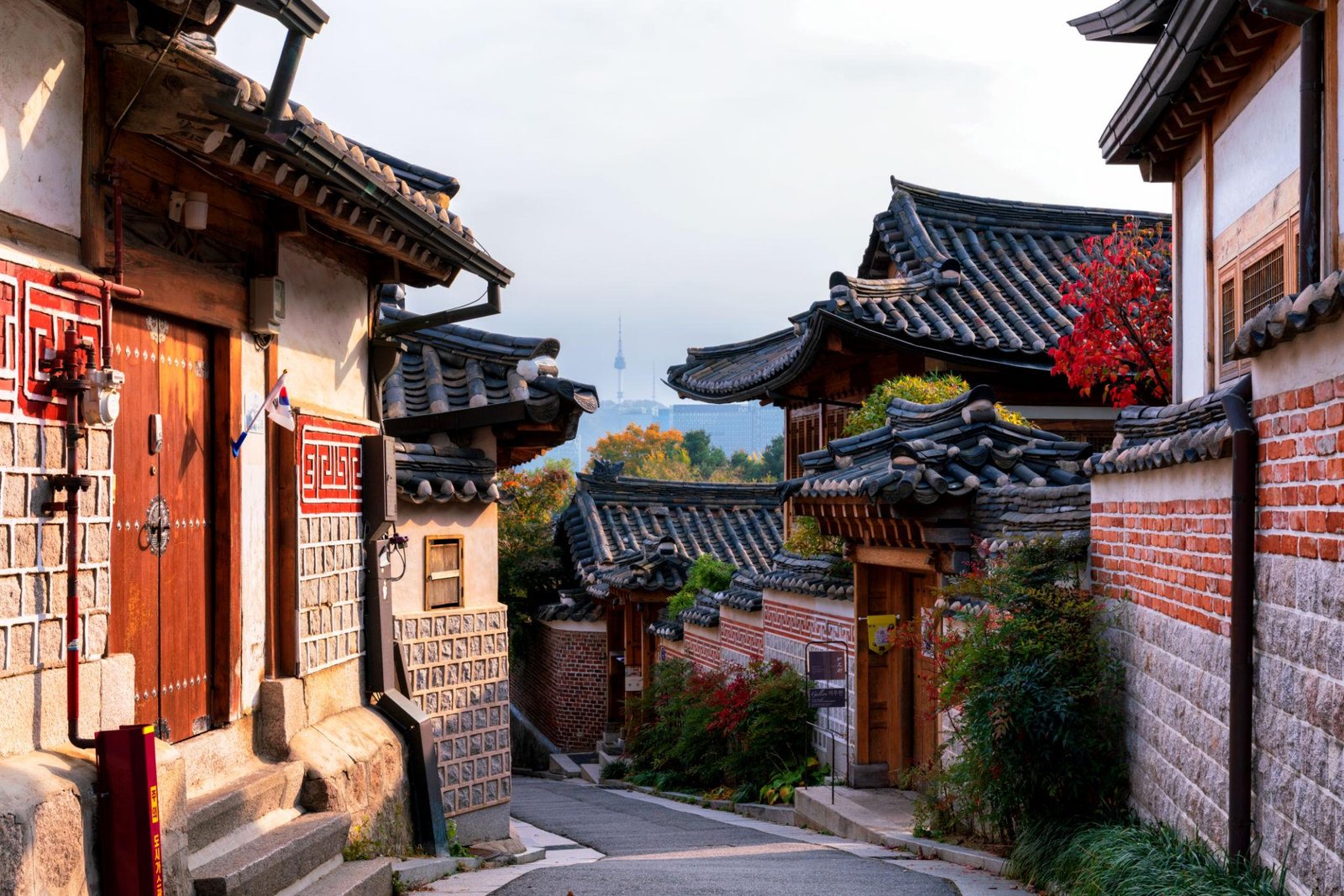
Continue towards Bukchon Hanok Village, where traditional Korean houses illustrate a different side of the city. Depending on the final schedule, the day may also include Insadong, a neighbourhood associated with traditional crafts, galleries, souvenirs and tea culture.
Allow time for photographs, browsing local shops and appreciating the contrast between traditional streets and the surrounding modern city.
Suggested experience: A cultural sightseeing day focused on Korean history, architecture and heritage.
Day 3 –Korean Cuisine, Markets and Local Life
Explore Seoul through its food and everyday urban culture. Traditional markets and local dining areas provide opportunities to encounter familiar Korean dishes alongside regional specialities and seasonal snacks.
Depending on the arrangements, you may visit a market such as Gwangjang Market, known for its food stalls and traditional market atmosphere. Sample dishes such as mung bean pancakes, dumplings or spicy rice cakes, subject to availability and personal dietary preferences.
The remainder of the day can be devoted to discovering neighbourhood streets, independent cafés and local shops. Travellers interested in Korean cooking may also wish to enquire about an optional culinary experience.
Suggested experience: A food-focused introduction to Korean flavours, markets and everyday life.
Day 4 – Modern Seoul, Shopping and Contemporary Culture
Experience the contemporary side of the South Korean capital. Seoul is known for its fashion, cosmetics, entertainment, cafés and technology, making its commercial districts an important part of the visitor experience.
Myeongdong is a suggested stop for shopping, beauty products and street food. Depending on your interests, the itinerary could also incorporate a modern district such as Gangnam, with its shopping areas, cafés and contemporary architecture.
Travellers interested in Korean popular culture can discuss suitable stops connected with K-pop, entertainment or Korean beauty trends. Specific attractions and admission arrangements should be confirmed before travel.
Suggested experience: Explore modern Seoul through shopping, fashion, cafés and contemporary Korean lifestyle.
Day 5 –City Views, Neighbourhoods and Leisure
Use the fifth day to explore another side of Seoul at a comfortable pace. One suggested option is the N Seoul Tower area on Namsan Mountain, where visitors can enjoy city views when weather and operating conditions permit.
Alternatively, the day could focus on additional neighbourhood exploration, museums, galleries, shopping or a Korean cultural activity selected according to your interests. Travellers who prefer a slower schedule can enjoy time at local cafés or revisit an area discovered earlier in the trip.
Optional experiences should be selected according to availability, budget and the final package arrangements.
Suggested experience: Panoramic city views, independent exploration and time for personal interests.
Day 6 - Final Shopping and Departure
Enjoy breakfast and any remaining leisure time according to your departure schedule. Depending on your flight time, you may have an opportunity for a final walk, a visit to a nearby café or last-minute shopping.
Proceed with the transfer to the airport if this service has been included in your confirmed arrangements. Travellers continuing to another destination may discuss additional nights or onward travel options with GlobalLink Suisse.
Suggested experience: A relaxed departure from Seoul after six days of cultural discovery, food experiences and city sightseeing.
Destinations & Experiences

1. Gyeongbokgung Palace
Royal history and architecture
One of Seoul's principal historic landmarks, Gyeongbokgung Palace introduces visitors to Korea's royal past through its courtyards, traditional buildings and ceremonial spaces. It is a valuable starting point for understanding the city's historical identity.

2. Bukchon Hanok Village
Traditional neighbourhoods
Bukchon is known for its hanok, or traditional Korean houses, and lanes set among the modern city. Visitors should respect residents' privacy and observe any local access or visitor restrictions.

3. Insadong
Arts, crafts and tea culture
Insadong offers opportunities to browse traditional crafts, art galleries, souvenirs and tea shops. It is particularly suitable for travellers who want to discover Korean artistic traditions and take home locally inspired keepsakes.

4. Myeongdong
Shopping and street food
Myeongdong is a well-known shopping district with fashion retailers, cosmetics stores and food vendors. It offers a practical introduction to Seoul's contemporary consumer culture and busy commercial streets.

5. N Seoul Tower and Namsan
Urban scenery and viewpoints
The Namsan area offers an elevated perspective over the capital. A visit to N Seoul Tower can complement the cultural itinerary with views across Seoul, depending on weather, access and the selected arrangements.

6. Gwangjang Market
Local food and market atmosphere
Gwangjang Market is a suggested destination for exploring traditional market culture and Korean food. Its stalls offer a way to discover popular snacks and observe an active part of Seoul's food scene.
Culture, Food & Local Experiences
South Korean culture combines long-established traditions with a highly contemporary urban lifestyle. In Seoul, royal palaces and traditional houses coexist with modern shopping complexes, creative neighbourhoods and entertainment venues. Visitors can gain a broader understanding of the country by exploring both its heritage and its present-day culture.
Food is central to the experience. Popular dishes include bibimbap, a rice dish served with assorted toppings; bulgogi, marinated meat; kimchi, fermented vegetables; and tteokbokki, rice cakes commonly served in a spicy sauce. Korean barbecue is another popular dining experience. Markets and casual eateries provide opportunities to sample a variety of foods, although ingredients and preparation methods vary.
Travellers can also explore Korean tea culture, traditional crafts, contemporary fashion and the global influence of K-pop and Korean television. Depending on the season, local exhibitions or cultural events may add another dimension to the journey.
When choosing meals, visitors should communicate allergies and dietary requirements clearly. Vegetarian, vegan and special-diet options may require advance planning, particularly where broths, sauces or shared cooking surfaces are involved.
Who This Tour Is For
This Seoul city experience may suit:
First-time visitors to South Korea looking for an introduction to the capital.
Couples interested in culture, dining, shopping and city exploration.
Families with older children and teenagers who enjoy Korean food, shopping and contemporary culture.
Solo travellers seeking a city-based holiday with a variety of sightseeing opportunities.
Cultural travellers interested in royal history, traditional architecture and local customs.
Food enthusiasts who want to explore Korean dishes and market culture.
Korean pop-culture fans interested in fashion, beauty, music and contemporary entertainment.
Travellers from Switzerland and elsewhere in Europe planning a short South Korean holiday or adding Seoul to a longer Asian itinerary.
The pace and accessibility of the final itinerary should be discussed in advance for travellers with mobility requirements or other specific needs.
Best Time to Visit South Korea
Seoul is a year-round destination, but the season can significantly influence the atmosphere, scenery and activities available during your six-day holiday.

Spring — March to May
Spring brings milder weather and, during the appropriate weeks, cherry blossoms and flowering trees. April is particularly popular for seasonal scenery, although blossom dates vary each year. Pack layers for cool mornings and evenings.

Summer — June to August
Summer is generally hot and humid, with a rainy period often occurring around June and July. This season can suit travellers who enjoy urban attractions, cafés and shopping, but outdoor sightseeing should allow for rain and heat.

Autumn — September to November
Autumn is often a comfortable period for walking tours and cultural sightseeing. Cooler temperatures and colourful foliage make the palace grounds and parks particularly appealing. October is a popular time to visit.

Winter — December to February
Winter can be very cold, with occasional snow and icy conditions. Visitors can still enjoy palaces, museums, cafés and indoor attractions, but should pack a warm coat, gloves and suitable footwear.
Recommendation: Spring and autumn are often attractive choices for a sightseeing-focused Seoul tour. If you prefer quieter indoor experiences, shopping and seasonal winter scenery, other travel periods can also work well.
Travel Information
Passport and Visa Requirements
Travellers should hold a valid passport and check the entry requirements that apply to their nationality, travel purpose and intended length of stay. Visa requirements and any applicable electronic travel authorisation arrangements can change. Confirm the latest information through the relevant South Korean authorities before departure.
Travelling from Switzerland does not automatically mean that a visitor qualifies for the same entry conditions as a Swiss citizen. Requirements are generally determined by the passport held and the current regulations.
Currency and Payments
South Korea uses the South Korean won (KRW). Cards are widely used in Seoul, although carrying some cash can be useful for small purchases or certain market stalls. Check foreign transaction fees with your bank and arrange access to funds before travelling.
Language
Korean is the national language. English is understood in many tourist-facing businesses, hotels and popular visitor areas, but the level of English spoken varies. Translation apps and offline map tools can make independent exploration easier.
Getting Around Seoul
Seoul has an extensive public transportation system, including subway and bus services. These can be convenient for reaching many major sightseeing districts. Taxis are another option, particularly for travellers carrying luggage or returning after an evening out.
The final package should clarify whether local transportation is included or whether travellers will pay separately for public transport, taxis and other journeys.
Weather and Packing
Pack according to the season. Comfortable walking shoes are useful throughout the year, as sightseeing often involves stairs and considerable walking. Bring sun protection during warmer months, a compact umbrella or rain jacket during wetter periods, and warm layers in winter.
A small day bag, portable phone charger and travel documents can also be useful during city excursions.
Electricity and Connectivity
South Korea generally uses 220-volt electricity with Type C and Type F plugs. Check your devices and chargers before departure and bring a compatible adapter if needed. Travellers may wish to arrange international roaming, an eSIM or a local SIM for maps, translation and communication.
Travel Insurance
Comprehensive travel insurance is recommended. Consider cover for medical expenses, trip cancellation or interruption, baggage and other relevant travel risks. Check the policy conditions and exclusions before purchasing.
Frequently Asked Questions
1. What is included in a Seoul tour package?
Inclusions depend on the selected package. Accommodation, transfers, guided sightseeing, meals and attraction admissions should be listed in the confirmed quotation. Contact GlobalLink Suisse for a breakdown of the proposed services and costs.
2. How many days do you need in Seoul?
Six days provides a useful introduction to Seoul's royal heritage, traditional neighbourhoods, food markets, shopping districts and modern lifestyle. Longer stays allow more time for museums, specialised cultural experiences or excursions beyond the capital.
3. What is the best time to book a Seoul tour package?
Spring and autumn are popular periods for comfortable sightseeing and seasonal scenery. Booking ahead is advisable if your dates coincide with busy holiday periods, major events or cherry blossom season. Availability and prices depend on your travel dates and selected arrangements.
4. Is Seoul suitable for first-time visitors to South Korea?
Yes. Seoul offers a broad introduction to Korean history, food, contemporary culture and daily life. Its combination of major attractions and public transportation makes it a practical starting point for many first-time visitors, although language and navigation can require some preparation.
5. Can the Seoul itinerary be customized?
You can contact GlobalLink Suisse to discuss your preferred travel dates, pace, accommodation requirements and interests. Any changes, additional destinations or special arrangements will depend on feasibility, availability and the final quotation.
Why Travel with GlobalLink Suisse?
Planning an international holiday involves more than choosing attractions. Travel dates, accommodation standards, transportation, entry requirements and the pace of sightseeing all influence the overall experience. GlobalLink Suisse provides a point of contact for discussing these elements and developing a travel proposal that reflects your priorities.
For this Seoul experience, travellers can explain whether they are most interested in Korean heritage, local cuisine, contemporary culture, shopping or a balanced introduction to the city. These preferences can help shape the proposed itinerary and the choice of experiences to explore.
As a Switzerland-based international travel company, GlobalLink Suisse also welcomes enquiries from travellers planning journeys between Switzerland and destinations abroad. Package details, availability, costs and service arrangements should be reviewed and confirmed before a booking is finalized.
Customize Your Journey
Your six-day Seoul holiday can be discussed around your travel plans and interests. When enquiring with GlobalLink Suisse, consider sharing:
Travel dates: Your preferred departure and return dates, including any flexibility.
Group size: Whether you are travelling alone, as a couple, with family or in a group.
Accommodation preferences: Your desired hotel category and room arrangements.
Sightseeing interests: Whether you prefer history, food, shopping, Korean popular culture or a mixture.
Travel pace: A full sightseeing schedule or a more relaxed balance of guided activities and free time.
Additional destinations: Whether you would like to discuss extending your holiday beyond Seoul.
Special requirements: Dietary needs, accessibility considerations and other arrangements that should be considered before booking.
Any requested additions or changes will be subject to availability, feasibility and the agreed package price.
Plan Your South Korea Holiday with GlobalLink Suisse
Discover Seoul's royal landmarks, traditional neighbourhoods, vibrant food markets and contemporary city culture on a six-day journey through South Korea's capital.
Whether you are planning a cultural escape, a food-focused holiday or your first visit to South Korea, GlobalLink Suisse invites you to discuss your preferred dates, accommodation and sightseeing interests.
Ready to explore Seoul? Visit GlobalLink Suisse to enquire about the South Korea 6-Day Seoul City Experience and begin planning your trip.