
South Korea 7-Day Food & Cultural Journey – Seoul, Busan & Korean Cuisine
Discover the flavours, traditions and contemporary lifestyle of South Korea on a seven-day journey through Seoul and Busan. Designed for travellers who want to explore beyond conventional sightseeing, this experience combines Korean cuisine, historic landmarks, lively markets and the distinctive character of two of the country’s most important cities.
From Seoul’s traditional neighbourhoods and vibrant food streets to Busan’s coastal scenery and seafood culture, this journey offers an engaging introduction to Korean life. Explore the relationship between food, family traditions and regional identity while discovering historic sites, modern city districts and local markets. Whether you are planning your first South Korea holiday or returning to experience more of its culinary heritage, this itinerary offers a balanced approach to culture, sightseeing and food discovery.
GlobalLink Suisse invites you to enquire about this South Korea food tour and discuss a travel experience suited to your dates, interests and preferences.
Tour Overview
South Korea offers a fascinating meeting point between centuries-old traditions and a rapidly evolving modern society. Its cuisine reflects this contrast, bringing together traditional recipes, seasonal ingredients, communal dining customs and contemporary food trends. This seven-day journey introduces travellers to these influences through two contrasting destinations: Seoul, the energetic capital, and Busan, a major port city known for its coastal setting and seafood traditions.
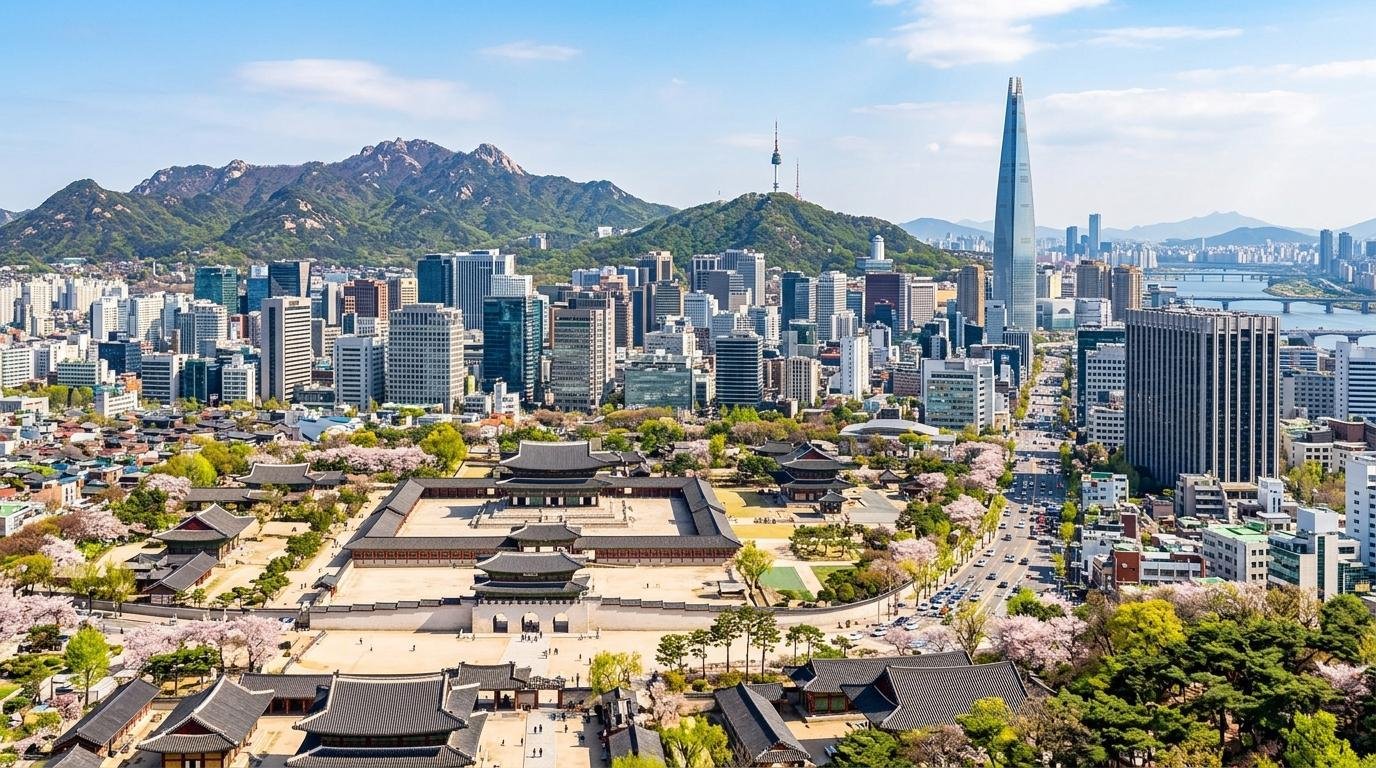
In Seoul, discover a city where historic palaces and traditional neighbourhoods sit alongside contemporary architecture, shopping districts and busy food markets. Korean dining is an important part of the experience, with opportunities to explore familiar dishes such as bibimbap, bulgogi, kimchi and Korean street food, depending on the final arrangements. The capital also provides an introduction to Korean history, social customs and the country’s dynamic urban lifestyle.
The journey continues to Busan, where the atmosphere changes to reflect the city’s maritime heritage. Coastal scenery, traditional markets, seafood dishes and distinctive neighbourhoods offer a different perspective on Korean culture. The seven-day format balances city exploration with culinary discovery, making it suitable for travellers who want to experience the country’s food culture without dedicating their entire holiday to one city. The precise sequence of activities and transportation arrangements will be confirmed when the final itinerary is prepared.
Tour Highlights
Explore Seoul’s Culinary Scene: Discover Korean dining traditions, popular local dishes and the variety of flavours found in the capital.
Experience Traditional Korean Culture: Explore historic districts and cultural landmarks that introduce the country’s heritage and architectural traditions.
Discover Korean Street Food: Sample or explore popular street-food specialties, subject to the selected activities and final arrangements.
Visit Local Markets: Experience the atmosphere of Korean markets, where food, everyday shopping and local traditions come together.
Travel to Coastal Busan: Discover a major Korean port city with a distinctive maritime identity and a strong seafood culture.
Explore Busan’s Coastal Attractions: Consider visits to notable waterfront areas, beaches and scenic viewpoints according to the final itinerary.
Compare Two Korean Cities: Experience the contrast between Seoul’s metropolitan energy and Busan’s coastal character.
Learn Through Food and Culture: Gain a broader understanding of Korean ingredients, dining etiquette and the cultural significance of shared meals.
Places You'll See
Tour Itinerary
Day 1 – Arrival in Seoul and Introduction to Korean Cuisine
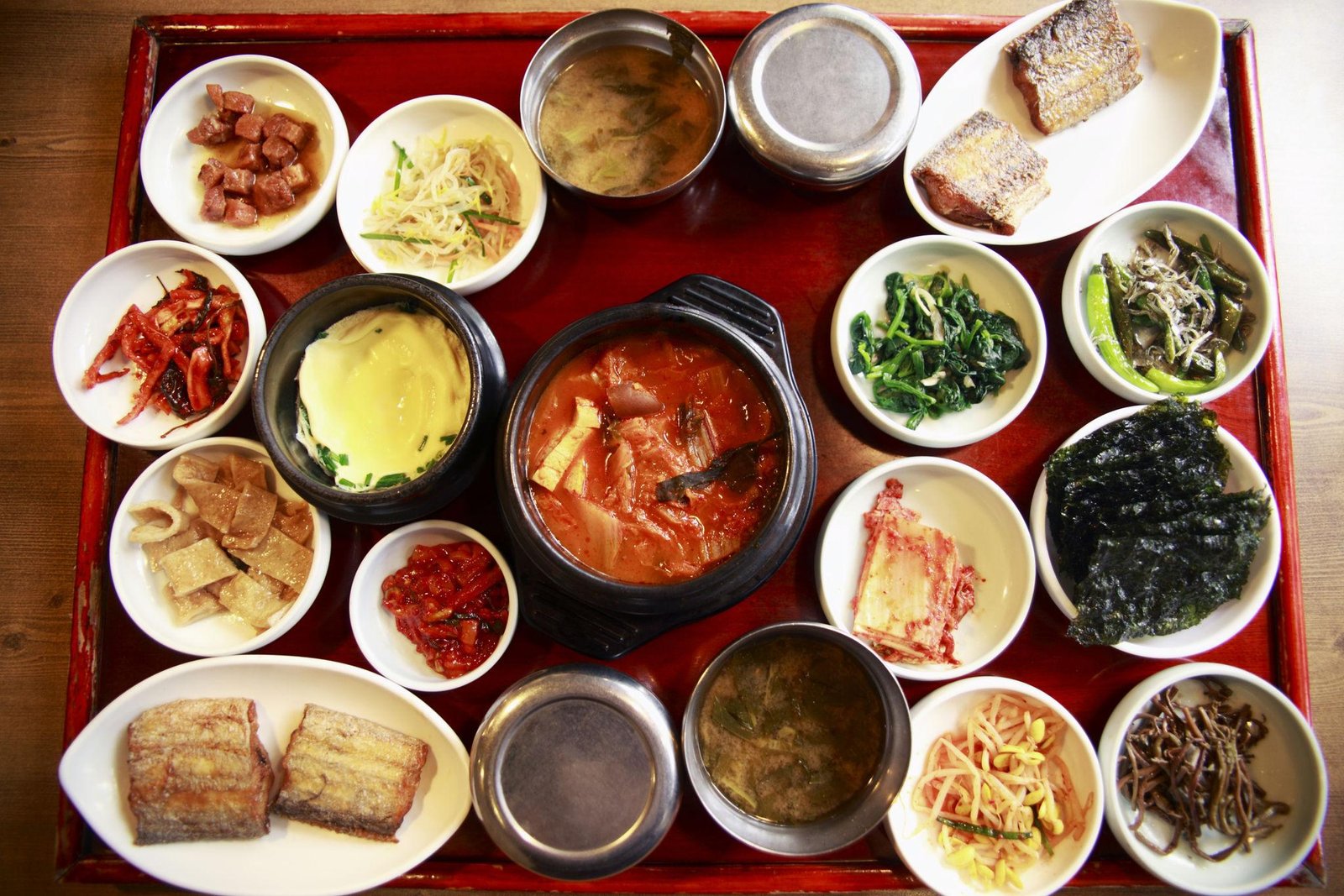
Arrive in Seoul and begin discovering South Korea's capital. Depending on your arrival arrangements, spend time settling in and getting acquainted with the surrounding neighbourhood. If time permits, explore a local dining area and enjoy an introductory Korean meal. This is an opportunity to become familiar with the country's distinctive flavours, from rice-based dishes and soups to side dishes served as part of a traditional meal.
Overnight arrangements and any airport transfers will depend on the selected package.
Day 2 – Seoul's Heritage, Neighbourhoods and Traditional Food
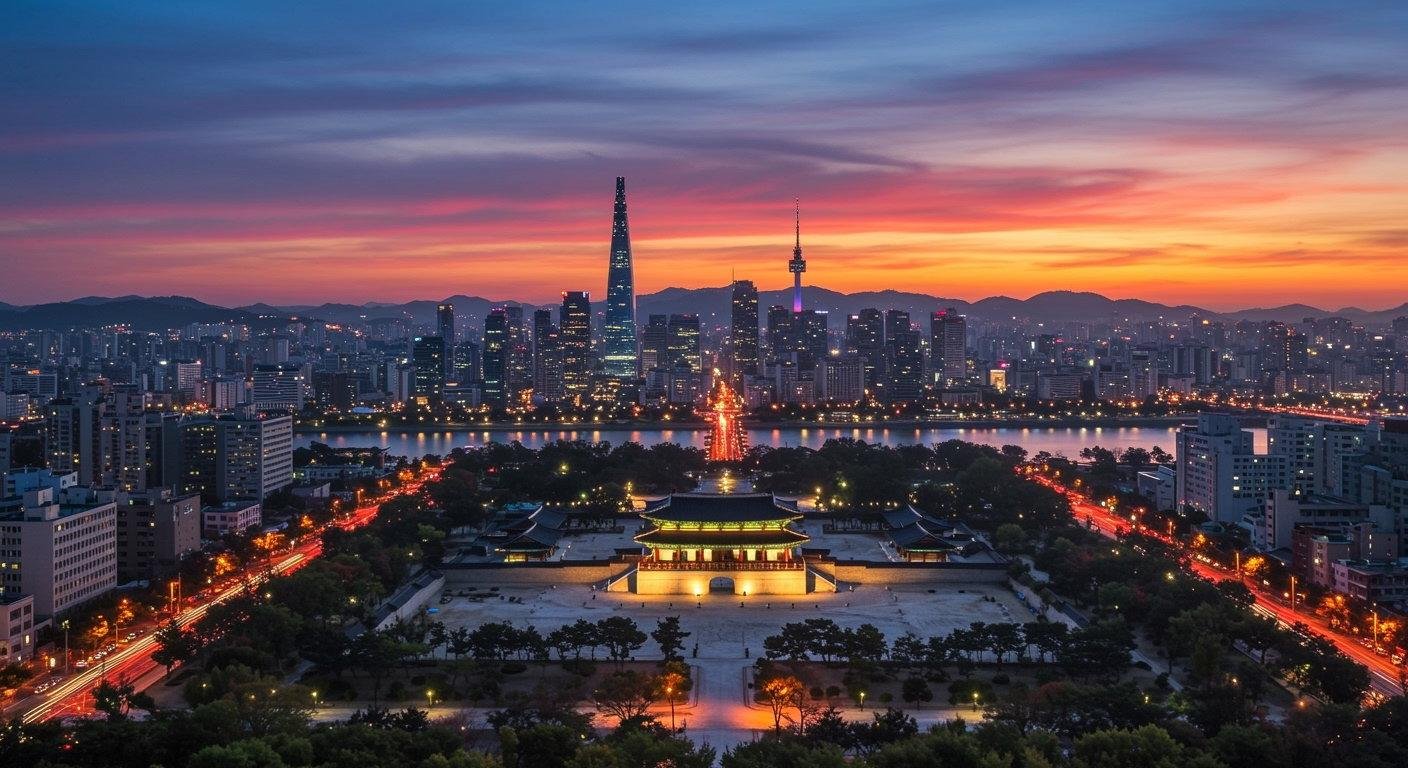
Discover Seoul's historic character through a suggested visit to a traditional cultural district and one of the city's major heritage attractions. Gyeongbokgung Palace and the surrounding Bukchon Hanok Village area are possible additions, depending on opening arrangements and the final route.
Continue exploring Seoul's food culture, with an emphasis on traditional Korean dishes and the customs associated with dining. Depending on the selected experience, the day may include a market visit or time in a neighbourhood known for local eateries. The combination of heritage and cuisine offers insight into how Korean traditions continue to influence everyday life.
Day 3 – Seoul Markets, Street Food and Modern City Life
Spend the day discovering another side of Seoul through its markets, commercial districts and contemporary neighbourhoods. A market such as Gwangjang Market may be considered for its established food culture and selection of Korean specialties.
Explore the relationship between traditional recipes and modern food trends, with opportunities to discover dishes such as tteokbokki, mandu and Korean pancakes where available. Additional sightseeing may introduce the city's shopping districts, public spaces or contemporary architecture.
Food tastings, guided experiences and other activities will depend on the confirmed package.
Day 4 – Travel from Seoul to Busan
Transfer from Seoul to Busan, with the method of transport confirmed during itinerary planning. Rail travel is a practical option between the two cities, subject to availability and the selected arrangements.
After arrival, become acquainted with Busan's coastal setting and urban atmosphere. Depending on arrival time, explore a nearby neighbourhood or waterfront area before enjoying a meal inspired by the city's maritime food traditions. Busan offers a different perspective on South Korea, with seafood, port history and coastal life forming an important part of its identity.
Day 5 – Busan's Markets, Seafood and Local Culture
Explore Busan's culinary heritage through its markets and food districts. Jagalchi Fish Market is a possible highlight for travellers interested in the city's seafood traditions and working-port atmosphere.
Depending on the final itinerary, combine the culinary experience with visits to selected cultural neighbourhoods or historic sites. Busan's food scene includes seafood, noodles, rice dishes and regional specialties that differ from the dining experiences found in Seoul. This day provides an opportunity to appreciate the diversity of Korean cuisine and the influence of geography on local food traditions.
Day 6 – Busan's Coastline and Cultural Attractions
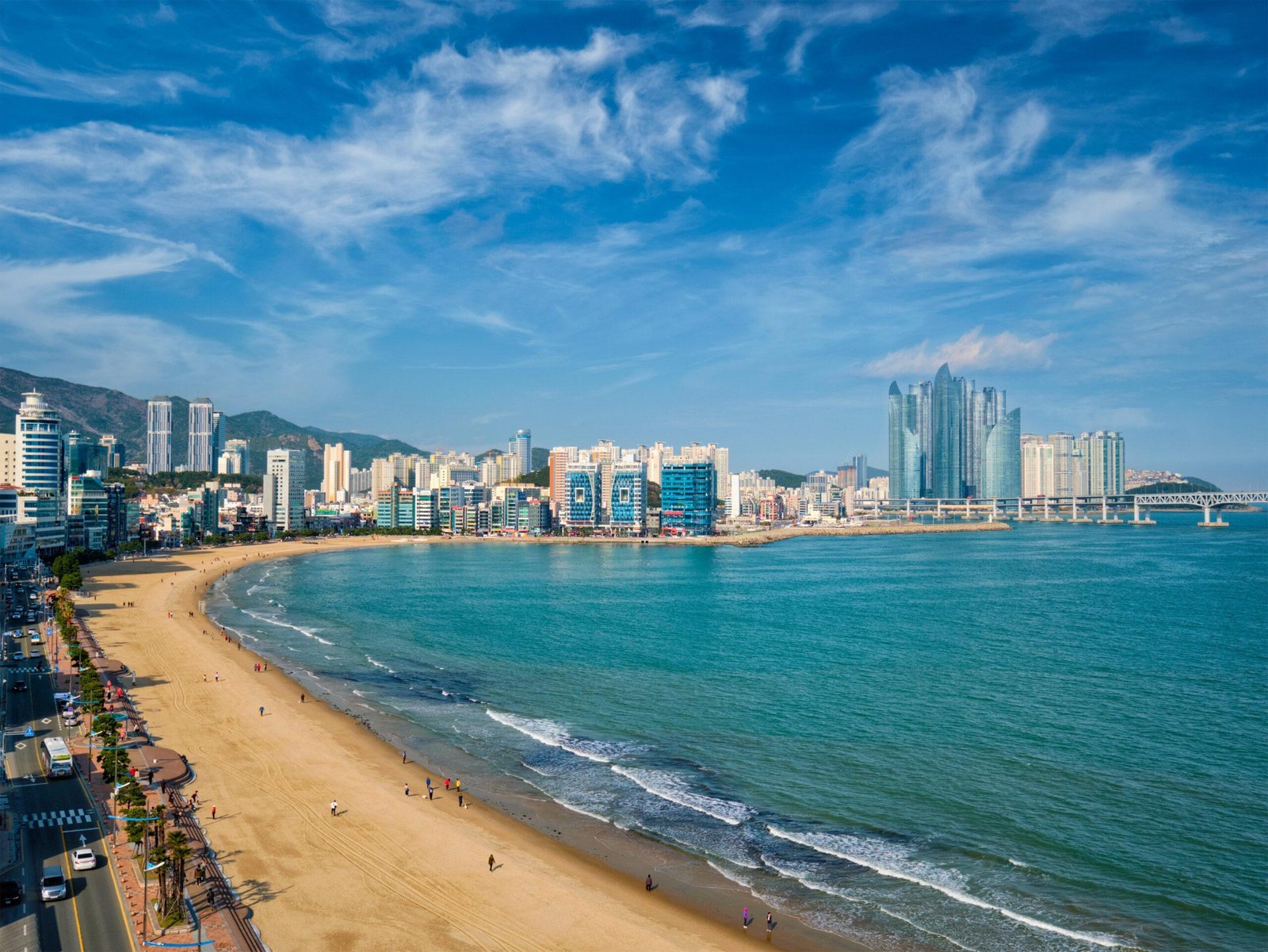
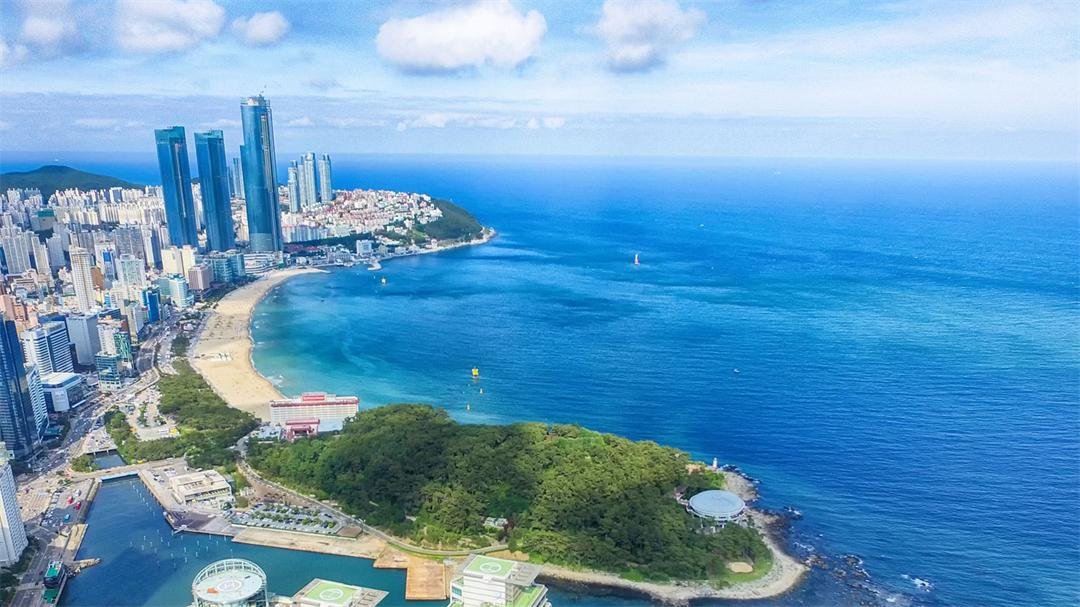
Discover Busan beyond its markets with a suggested excursion to selected coastal and cultural attractions. Haeundae Beach, Gwangalli Beach or Gamcheon Culture Village may be considered, depending on your interests, available time and the final route.
Enjoy time to appreciate the city's seaside scenery, explore neighbourhoods or discover additional local food specialties. Travellers who prefer a relaxed pace may wish to leave time for independent exploration, while those interested in photography and architecture may enjoy a more sightseeing-focused programme.
Day 7 – Final Korean Experiences and Departure
Enjoy breakfast and any remaining free time according to your departure schedule. Depending on arrangements, there may be an opportunity for a final Korean meal, a short neighbourhood visit or some last-minute shopping.
Departure transfers and onward travel arrangements will be confirmed as part of the selected package. Travellers requiring a return to Seoul for an international flight should discuss the routing and connection time with GlobalLink Suisse before confirming their plans.
Destinations & Experiences
Seoul – History, Markets and Contemporary Korean Life
Seoul combines royal heritage, traditional neighbourhoods, busy shopping streets and a diverse dining scene. Gyeongbokgung Palace introduces visitors to Korea's royal history, while Bukchon Hanok Village offers a glimpse of traditional Korean residential architecture. The precise access arrangements and visitor restrictions for individual sites should be checked before travel.
Food is central to the city's identity. Markets and neighbourhood restaurants offer opportunities to discover traditional Korean dishes alongside contemporary interpretations of the country's cuisine. Seoul is an excellent starting point for understanding how Korean food culture has evolved while retaining its traditional foundations.
Busan – Coastal Culture and Seafood Traditions
Busan offers a different atmosphere from the capital, shaped by its coastline, port activity and regional culinary traditions. Jagalchi Fish Market is a notable destination for seafood enthusiasts, while Haeundae and Gwangalli provide well-known coastal settings.
The city also offers cultural and visual variety through its neighbourhoods, waterfront areas and hillside communities. Gamcheon Culture Village is one possible addition for travellers interested in colourful streets, local art and urban history. Together, these experiences provide a broader understanding of South Korea beyond its capital.
Culture, Food & Local Experiences
Korean food is closely connected to hospitality, seasonal ingredients and communal dining. A typical meal may include rice, soup, a main dish and several banchan, or side dishes. Kimchi is among the country's best-known foods, while dishes such as bibimbap, bulgogi, japchae and Korean barbecue introduce different ingredients and cooking traditions.
Street food offers another perspective on everyday Korean life. Depending on the location, travellers may encounter tteokbokki, savoury pancakes, dumplings and sweet snacks. Markets can be particularly useful for discovering regional ingredients and observing how food is prepared and sold.
Dining etiquette is also part of the cultural experience. Meals are often shared, and customs can vary by setting and generation. Travellers can expect a range of food options, but should communicate dietary restrictions clearly in advance. Vegetarian, vegan, halal and allergy-sensitive meals may require additional planning, and ingredients or preparation methods should always be verified.
In Seoul and Busan, traditional food culture exists alongside cafés, contemporary restaurants and international influences. This variety makes the journey appealing to travellers interested not only in what Koreans eat, but also in how food reflects changing lifestyles and regional identities.
Who This Tour Is For
This South Korea holiday is particularly suitable for:
Food Enthusiasts: Travellers interested in Korean dishes, market culture and regional culinary traditions.
Cultural Travellers: Visitors who want to understand Korean history, architecture, social customs and daily life.
First-Time Visitors: Travellers seeking an introduction to two of South Korea's best-known cities in one trip.
Couples and Friends: Those looking for a shared experience combining sightseeing, dining and urban exploration.
Independent-Minded Travellers: Visitors who appreciate a structured multi-city itinerary with opportunities for personal exploration.
Swiss and European Travellers: Travellers planning a South Korea holiday from Switzerland or elsewhere in Europe who want assistance coordinating the main elements of their journey.
Families may also enjoy the combination of markets, cultural attractions and coastal experiences, depending on children's ages, mobility needs and preferred pace.
Best Time to Visit South Korea
South Korea experiences four distinct seasons, each offering a different atmosphere for sightseeing and culinary exploration.
Spring (March–May): Spring is a popular time to visit, with milder temperatures and seasonal blossoms. Cherry blossoms usually appear during a limited period that varies by location and year. Spring is well suited to walking through Seoul's historic districts and exploring Busan's waterfront.
Summer (June–August): Summer brings warmer, more humid weather and a rainy season that commonly affects parts of the summer period. Coastal Busan can be attractive for beach visits, although rain, heat and humidity may affect outdoor activities.
Autumn (September–November): Autumn is often one of the most comfortable seasons for sightseeing, with cooler temperatures and colourful foliage. It is a strong option for combining city walks, cultural visits and market exploration. Popular dates may require advance planning.
Winter (December–February): Winter can be cold, particularly in Seoul, while Busan generally experiences milder conditions. This season offers a different urban atmosphere and opportunities to explore indoor markets, restaurants, museums and cultural attractions.
For a food-focused journey, spring and autumn are particularly appealing because comfortable walking conditions can make it easier to explore markets and neighbourhoods. However, Korean cuisine can be enjoyed throughout the year, and the best travel dates depend on your preferred weather, activities and budget.
Travel Information
Passport and visa requirements: Entry requirements depend on your nationality, passport type, travel purpose and current South Korean regulations. Some travellers may qualify for visa-free entry, while others need a visa. Electronic travel authorization rules and temporary exemptions can change, so verify the latest requirements through official South Korean immigration or embassy sources before departure.
Currency: South Korea uses the South Korean won (KRW). Cards are widely accepted in many urban businesses, but carrying some cash can be useful for smaller purchases and certain market stalls. Payment options vary by merchant.
Language: Korean is the official language. English is used in some tourist-oriented settings, but it may be less widely spoken in smaller establishments and traditional markets. Translation applications can help with menus, directions and dietary requests.
Transportation: Seoul has an extensive metro and bus network. Intercity rail is a practical way to travel between Seoul and Busan, while local public transport, taxis and private transfers can support sightseeing. The best combination depends on the confirmed itinerary and your preferences.
Weather and clothing: Pack according to the season. Comfortable walking shoes are recommended for markets, historic neighbourhoods and city sightseeing. Bring lightweight clothing for summer, warm layers for winter and a light waterproof layer during periods of rain.
Electricity: South Korea generally uses Type C and Type F electrical sockets, with a standard supply of approximately 220 V and 60 Hz. Check your devices' voltage compatibility and bring an appropriate travel adapter.
Travel insurance: Comprehensive travel insurance is recommended. Consider cover for medical expenses, trip cancellation, travel delays, baggage and other relevant risks.
Food and dietary requirements: Korean cuisine often includes fermented ingredients, seafood, soy, sesame, chilli and meat-based broths. Inform your travel planner about allergies, religious dietary requirements and other restrictions before arrangements are made. Do not assume that a dish is free from an ingredient simply because it is not visible.
Planning from Switzerland: Travellers departing from Switzerland should confirm international flight options, baggage allowances, arrival arrangements and any transit requirements for their specific routing. Flight schedules and prices depend on the travel dates and selected airline.
Frequently Asked Questions
1. What is the best time to take a South Korea food tour?
Spring and autumn are excellent choices for comfortable sightseeing and market visits. Summer offers a lively coastal atmosphere in Busan, while winter is suitable for travellers who enjoy cold-weather city exploration and indoor culinary experiences.
2. Is seven days enough to explore Seoul and Busan?
Seven days provides a useful introduction to both cities, allowing time for selected cultural attractions, markets and food experiences. It is not enough to explore every major region of South Korea, so this itinerary focuses on Seoul and Busan rather than attempting to cover the entire country.
3. What food can I try on a South Korea food tour?
Depending on the activities and restaurants selected, you may explore dishes such as bibimbap, bulgogi, kimchi, Korean pancakes, dumplings, tteokbokki and regional seafood specialties. Specific tastings and meals are subject to the final itinerary.
4. What is included in a South Korea tour package?
Inclusions vary by package. Accommodation, transportation, guided sightseeing, meals and culinary experiences may be available, but they should not be assumed to be included until they appear in the confirmed quotation.
Why Travel with GlobalLink Suisse?
Planning a multi-city holiday involves more than choosing attractions. Transportation, accommodation, sightseeing schedules, meal preferences and international travel arrangements all need to work together. GlobalLink Suisse provides a point of contact for discussing these requirements and developing a travel plan that reflects your priorities.
For this Korean culinary and cultural journey, the planning process can focus on the experiences that matter most to you, whether that means exploring traditional markets, discovering regional dishes, visiting historic landmarks or enjoying Busan's coastal atmosphere. A clear itinerary and confirmed package details help you understand how the journey is organised before committing to a booking.
As a Switzerland-based international travel company, GlobalLink Suisse caters to travellers planning inbound and outbound tourism experiences. Contact the team to discuss the available arrangements, clarify inclusions and exclusions, and determine whether the proposed seven-day programme meets your expectations.
Customize Your Journey
Your ideal South Korea holiday may require a different pace or a stronger emphasis on particular interests. When enquiring with GlobalLink Suisse, consider discussing:
Travel Dates: Choose dates that suit your schedule and preferred season.
Duration: Ask whether additional nights or an extended itinerary can be considered.
Group Size: Explain whether you are travelling alone, as a couple, with family or as part of a group.
Accommodation Preferences: Discuss your preferred accommodation category and location.
Culinary Interests: Highlight your interest in street food, traditional cuisine, seafood, markets or particular Korean dishes.
Sightseeing Priorities: Indicate whether you prefer heritage sites, contemporary neighbourhoods, coastal scenery or a balanced combination.
Dietary and Accessibility Requirements: Share any food allergies, dietary restrictions or mobility considerations before arrangements are confirmed.
Additional Destinations: Ask whether other South Korean destinations could be incorporated, subject to time and availability.
Any modifications, additional services and associated costs should be confirmed before booking.
Start Planning Your South Korea Food & Cultural Journey
Discover the culinary traditions, cultural heritage and contrasting city experiences of Seoul and Busan on a seven-day South Korea holiday. From traditional markets and historic neighbourhoods to regional dishes and coastal scenery, this journey offers a practical introduction to the country through its food and everyday culture.
Contact GlobalLink Suisse to enquire about the South Korea 7-Day Food & Cultural Journey. Share your preferred dates, group size and travel requirements to discuss the itinerary, available services and package pricing.
Website: https://globalinksuisse.com/
What’s Included
The final inclusions depend on the selected package and confirmed itinerary. Potential arrangements can be discussed with GlobalLink Suisse, including:
Accommodation for the duration of the journey.
Airport transfers and intercity transportation.
Guided sightseeing and cultural visits.
Culinary activities, food tastings or market experiences.
Meals specified in the confirmed programme.
Local guide services, where arranged.
Assistance coordinating the itinerary and travel arrangements.
Important: These are possible package components, not confirmed inclusions. Final inclusions are confirmed based on the selected package and itinerary.
Not Included:
The following items may be excluded unless specifically agreed and listed in the final quotation:
International flights to and from South Korea.
Travel insurance and medical or emergency assistance cover.
Meals and drinks not specified in the itinerary.
Personal expenses, shopping and laundry.
Optional excursions and additional food tastings.
Visa fees or other applicable entry-related charges.
Additional accommodation nights or itinerary extensions.
Tips and gratuities, where applicable.
Services not specifically included in the confirmed package.
Review the final quotation carefully to understand the total cost and any additional expenses before booking.
Ideal For
- Culture seekers and first-time visitors to South Korea
- K-drama and K-pop fans
- Educational and alumni groups
- Wellness and spiritual travelers