
South Korea 7-Day Jeju Island Escape – Nature, Coastlines & Korean Culture
Discover the natural beauty and distinctive cultural character of South Korea’s Jeju Island on this seven-day island escape. Designed for travellers who want to experience more than the energy of Seoul, this journey introduces volcanic landscapes, dramatic coastlines, traditional island life and some of the country’s most recognisable natural attractions. From scenic coastal drives and peaceful countryside to local markets and Korean cuisine, Jeju offers a refreshing combination of outdoor exploration and cultural discovery.
This Jeju Island tour is an appealing choice for couples, families, nature lovers and independent-minded travellers seeking a relaxed South Korea holiday. The suggested seven-day itinerary allows time to explore the island’s different regions while balancing sightseeing with opportunities to enjoy its beaches, local food and quieter surroundings. Whether you are planning a dedicated island getaway or considering a longer South Korea journey, GlobalLink Suisse can help you discuss an itinerary suited to your travel dates, interests and preferences.
Tour Overview
Jeju Island lies off the southern coast of mainland South Korea and is known for its volcanic origins, distinctive landscapes and strong regional identity. Its scenery ranges from rugged coastal cliffs and lava formations to green countryside, waterfalls and beaches. At the island’s centre stands Hallasan, a volcanic mountain that shapes much of Jeju’s landscape and offers a striking backdrop to the island’s coastal communities.
This seven-day South Korea holiday focuses on discovering Jeju at a comfortable pace. Depending on the final itinerary, sightseeing may include Seongsan Ilchulbong, the island’s celebrated volcanic tuff cone; the coastal scenery around Seopjikoji; waterfalls near Seogwipo; and traditional villages or local markets that offer insight into everyday island life. Outdoor experiences can be balanced with time for photography, cafés, regional specialities and relaxed seaside walks.
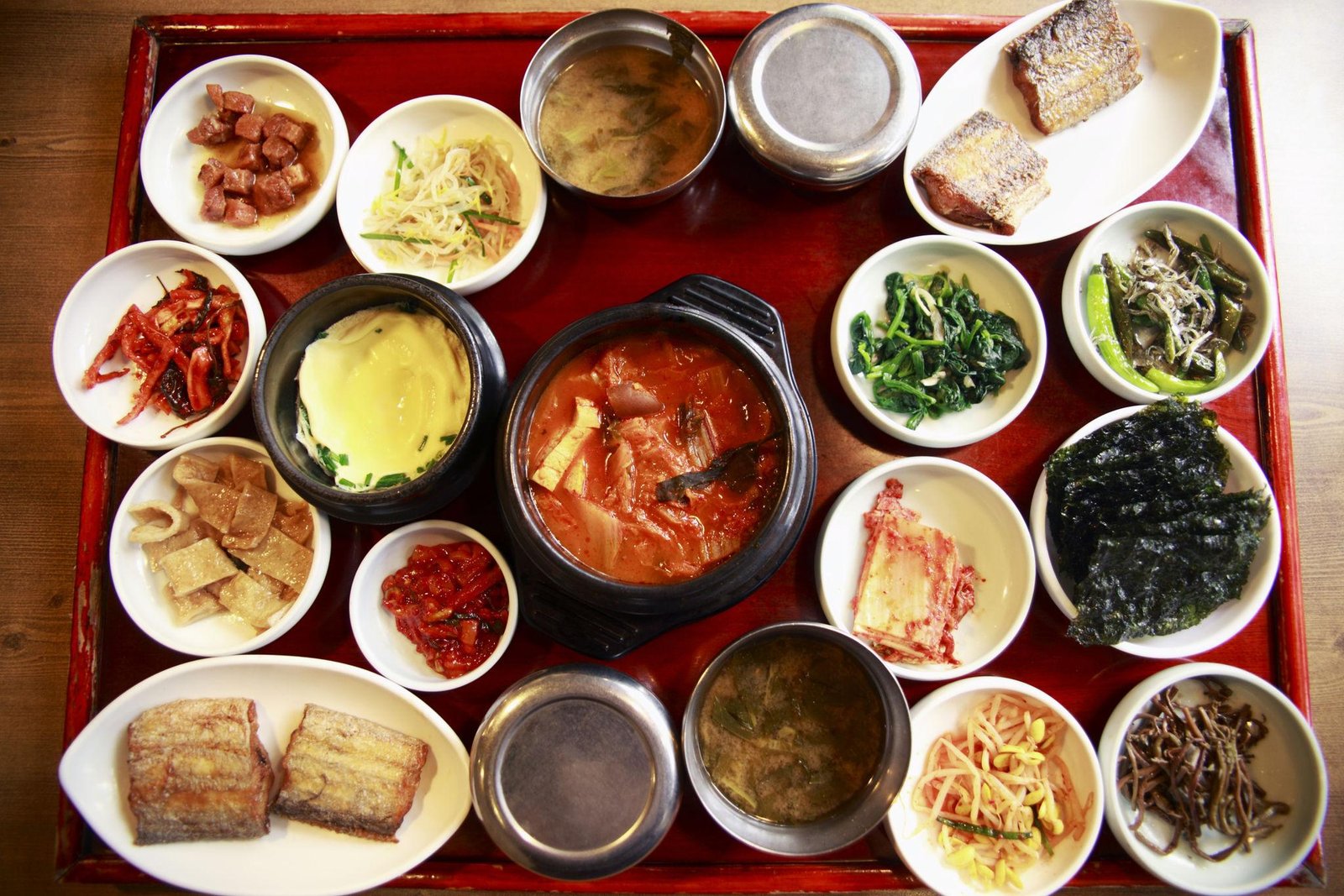
Jeju also has a culinary identity that reflects its geography and traditions. Fresh seafood, abalone, black pork, local citrus fruits and seasonal produce feature prominently in the island’s food culture. Travellers can experience a different side of Korea through its regional cuisine, local customs and distinctive coastal communities.
Rather than attempting to cover every attraction, this suggested Jeju Island itinerary prioritises a varied introduction to the island’s nature, culture and lifestyle. The final route, activities, accommodation and transport arrangements can be discussed with GlobalLink Suisse before booking.
Tour Highlights
Explore Seongsan Ilchulbong: Discover the dramatic volcanic landscape of this UNESCO-listed natural landmark on Jeju’s eastern coast.
Enjoy Jeju’s coastal scenery: Visit selected coastal viewpoints, rocky shorelines and seaside areas, depending on the final route.
Discover Seogwipo: Explore the island’s southern region, known for waterfalls, coastal scenery and access to local attractions.
Experience Hallasan’s natural surroundings: Appreciate the island’s central volcanic mountain through suitable viewpoints or walking experiences.
Visit traditional villages and markets: Learn about Jeju’s local identity through regional produce, crafts and everyday island life.
Sample Jeju cuisine: Discover local specialities such as black pork, seafood dishes, abalone and seasonal citrus products.
Explore distinctive volcanic formations: See landscapes shaped by ancient lava flows and volcanic activity.
Enjoy a relaxed island holiday: Balance sightseeing with opportunities for photography, cafés, coastal walks and personal leisure time.
Places You'll See
Tour Itinerary
Day 1 – Arrival on Jeju Island
Arrive on Jeju Island and transfer to your selected accommodation, subject to the final package arrangements. Use the remainder of the day to settle in and become familiar with your surroundings. Depending on arrival time, you may wish to enjoy a gentle walk, visit a nearby café or sample a local Korean meal.
The first evening is intentionally flexible, allowing travellers to recover from their journey before beginning the main sightseeing programme.
Day 2 – Eastern Jeju and Seongsan Ilchulbong
Explore the eastern side of Jeju, where volcanic scenery and coastal views create some of the island’s most distinctive landscapes. A suggested highlight is Seongsan Ilchulbong, a volcanic tuff cone recognised for its dramatic profile and geological significance.
Continue towards the surrounding coastal area, with a possible visit to Seopjikoji for open sea views and scenic walking opportunities. Depending on the final route and conditions, additional stops may include local villages or coastal viewpoints. Return to your accommodation after a day focused on Jeju’s natural heritage.
Day 3 – Southern Jeju and Seogwipo
Spend the day discovering southern Jeju, particularly the area around Seogwipo. The region offers a combination of coastal landscapes, gardens, waterfalls and accessible sightseeing locations.
A suggested experience is a visit to Cheonjiyeon Waterfall or another suitable waterfall attraction in the area, subject to access and weather conditions. Allow time to explore the surrounding town, browse local shops or enjoy a meal featuring regional ingredients. The day can be adjusted to suit travellers who prefer gentle walks or a fuller sightseeing schedule.
Day 4 – Hallasan and Jeju’s Volcanic Landscapes
Discover the landscapes associated with Hallasan, the volcanic mountain at the centre of Jeju Island. Depending on the season, weather, fitness levels and available arrangements, the day may feature a scenic drive, a visit to an accessible nature area or a suitable walking route.
Hallasan National Park contains a range of trails, but reaching the summit is not necessary to appreciate the island’s natural environment. Travellers should select activities appropriate to their abilities and check current trail access before departure. The remainder of the day may be kept flexible for rest or additional local exploration.
Day 5 – Western Jeju and Coastal Discoveries
Explore selected areas of western Jeju, where the landscape combines volcanic coastlines, countryside, beaches and small communities. Depending on the final itinerary, possible stops may include the coastal area around Hyeopjae Beach or scenic locations near Hallim.
Enjoy time for photography, a seaside walk or a relaxed café stop. The west of the island offers a different perspective from the volcanic landmarks of the east, making this day a useful opportunity to experience Jeju’s variety without rushing between attractions.
Day 6 – Jeju Culture, Markets and Local Cuisine
Dedicate the day to Jeju’s cultural identity and food traditions. Visit a suitable local market or town area to discover seasonal produce, regional snacks and everyday shopping culture. Depending on the itinerary, there may also be opportunities to learn about the island’s traditional communities and the maritime heritage associated with the haenyeo, the women divers of Jeju.
Enjoy time to sample local specialities, browse independent shops or revisit a favourite coastal area. The day can be adapted for families, couples or travellers who would like more leisure time before departure.
Day 7 – Departure from Jeju Island
Enjoy breakfast and any remaining free time, depending on your departure schedule. If time allows, take a final walk or enjoy a coffee before transferring to the airport or continuing to your next destination.
Departure transfers, onward flights and any connections with mainland South Korea should be confirmed as part of the final travel arrangements.
Destinations & Experiences
Jeju Island
Jeju is the main destination of this seven-day journey. Its appeal lies in the combination of volcanic geology, coastal scenery, regional food and a cultural identity that differs in several ways from mainland South Korea. The island is suitable for travellers who want nature-based sightseeing without giving up access to towns, restaurants and modern conveniences.
Seongsan Ilchulbong
Seongsan Ilchulbong, also known as Sunrise Peak, is one of Jeju’s best-known geological attractions. Formed by volcanic activity, it rises beside the sea and offers a striking landscape for sightseeing and photography. Access to particular trails or viewing areas may vary, so travellers should check current conditions before visiting.
Seogwipo and Southern Jeju
Seogwipo provides a useful base for exploring the island’s southern attractions. The area is associated with waterfalls, coastal walks, local restaurants and scenic viewpoints. It is a good fit for travellers who enjoy combining outdoor exploration with time in a town environment.
Hallasan and the Island Interior
Hallasan dominates Jeju’s central landscape and is a defining feature of the island. Its surrounding natural areas provide opportunities to experience forest scenery, mountain views and walking trails. Activities should be selected according to the season, trail conditions and each traveller’s comfort level.
Jeju’s Eastern and Western Coasts
The eastern and western parts of Jeju offer contrasting coastal experiences. The east is known for major volcanic landmarks and open sea views, while the west offers beaches, coastal villages and countryside scenery. Exploring both sides gives visitors a broader impression of the island’s geographical diversity.
Culture, Food & Local Experiences
Jeju has a strong regional identity shaped by its volcanic environment, maritime history and traditions. One of its most distinctive cultural features is the haenyeo community: women divers known for harvesting marine resources using traditional breath-hold diving techniques. The tradition is recognised by UNESCO as intangible cultural heritage and reflects the island’s longstanding relationship with the sea.
Food is another important part of a Jeju holiday. Local menus may feature Jeju black pork, fresh seafood, abalone, seafood noodles and dishes made with seasonal produce. Hallabong and other citrus fruits associated with Jeju are also popular. Availability varies by season, restaurant and market.
Travellers can experience the island through traditional markets, independent cafés, local eateries and village areas. Respectful observation is particularly important when visiting working fishing communities or cultural sites. If festivals or seasonal events are of interest, dates should be checked before travel rather than assumed to coincide with the visit.
Who This Tour Is For
This seven-day Jeju Island holiday may suit:
Couples: For scenic coastal outings, local dining and a balance of exploration and relaxation.
Families: For a varied itinerary combining accessible natural attractions, beaches and cultural experiences, with activities selected for the ages and needs of the group.
Nature lovers: For volcanic formations, waterfalls, coastal scenery and opportunities to explore Hallasan’s surroundings.
Cultural travellers: For regional cuisine, traditional markets and insight into Jeju’s maritime heritage.
First-time visitors to South Korea: For an introduction to a distinctive island destination beyond the country’s major cities.
Photography enthusiasts: For coastal viewpoints, volcanic landscapes and changing seasonal scenery.
Relaxed-paced travellers: For a holiday that can balance planned sightseeing with leisure time, subject to the final itinerary.
Travellers planning strenuous mountain hikes should consider their fitness, the season and the physical requirements of individual trails before selecting activities.
Best Time to Visit Jeju Island
Jeju can be visited throughout the year, but the best time depends on the experiences you prefer and your tolerance for changing weather.
Spring (March–May): Spring brings milder conditions and seasonal flowers. It is an appealing period for scenic drives, outdoor sightseeing and photography, although temperatures can still be cool early in the season.
Summer (June–August): Summer is suitable for beach visits and coastal activities, with warmer and more humid weather. Rainfall can be significant, and the wider western North Pacific typhoon season may affect travel conditions. Build flexibility into outdoor plans.
Autumn (September–November): Autumn generally offers comfortable conditions for sightseeing, walking and exploring the island’s landscapes. September can still be affected by tropical weather systems, while later autumn may bring cooler temperatures.
Winter (December–February): Winter is quieter in many areas and can provide clear coastal views, but conditions are colder and mountain areas may experience snow or ice. Hiking plans require particular attention to trail access and weather.
Spring and autumn are often attractive for a balanced sightseeing holiday. However, seasonal conditions vary, so travellers should check forecasts and local advisories before departure.
Travel Information
Passport and visa requirements: Entry requirements depend on your nationality, passport, purpose of travel and current South Korean regulations. Check official guidance before booking. Visa exemptions and electronic travel authorisation rules may change.
Currency: South Korea uses the South Korean won (KRW). Cards are widely accepted in many urban businesses, but carrying some cash can be useful for smaller vendors and markets.
Language: Korean is the principal language. English is available in some tourism settings, but not every local business or attraction will offer extensive English-language assistance.
Transportation: Jeju has buses, taxis and car-hire options. Public buses serve many parts of the island, but journeys may take longer than travelling by car. The most suitable transport arrangement depends on the final route, group size and desired pace.
Weather and clothing: Conditions can change between the coast and Hallasan’s higher elevations. Pack comfortable walking shoes, layered clothing, a light waterproof jacket and sun protection. For mountain activities, follow the recommended equipment guidance for the chosen trail.
Electricity: South Korea generally uses Type C and Type F plugs with a 220V supply at 60Hz. Check your devices and bring a compatible adapter if necessary.
Travel insurance: Comprehensive travel insurance is recommended, particularly if the itinerary includes hiking, outdoor activities or connecting flights.
Time zone: South Korea operates on Korea Standard Time (UTC+9), which is seven hours ahead of Switzerland during Swiss summer time and eight hours ahead during Swiss winter time.
Frequently Asked Questions
1. What is the best time to book a Jeju Island tour?
Spring and autumn are popular periods for comfortable sightseeing and outdoor exploration. Summer is warmer and suitable for coastal activities, while winter offers a quieter atmosphere with colder conditions. Choose dates based on your preferred experiences and check the seasonal forecast before travelling.
2. How many days do you need on Jeju Island?
Seven days allows time to explore the eastern and western coasts, discover southern Jeju, experience selected natural attractions and enjoy the island’s food and culture without making every day overly busy. Shorter visits are possible, but you may need to prioritise particular regions.
3. What can I expect from a Jeju Island tour package?
A package can be planned around accommodation, transportation, sightseeing, guide services and selected meals, depending on the agreed arrangements. GlobalLink Suisse can discuss your preferences and provide a quotation that identifies the services included in your selected itinerary.
4. Is Jeju Island suitable for first-time visitors to South Korea?
Yes. Jeju offers an introduction to Korean cuisine, regional culture and natural attractions in a setting distinct from the country's larger cities. Travellers should plan transportation carefully because distances between attractions and public transport journey times can affect daily sightseeing.
Why Travel with GlobalLink Suisse?
Planning an island holiday involves more than choosing attractions. Transportation, accommodation, seasonal conditions and the distance between sightseeing locations all influence how much you can comfortably experience during a week. GlobalLink Suisse provides a point of contact for discussing these considerations and developing a travel proposal around your requirements.
As a Switzerland-based international travel company, GlobalLink Suisse serves travellers interested in inbound and outbound Swiss tourism and international travel experiences. Its planning approach can help bring your preferred destinations, travel dates and practical requirements together in a clear itinerary proposal.
Before confirming your Jeju Island holiday, you can discuss the proposed route, accommodation preferences, transport arrangements, sightseeing priorities and expected costs. The final quotation should set out the agreed services and any important conditions so that you can make an informed booking decision.
Customize Your Journey
Your seven-day Jeju Island escape can be discussed around your travel priorities. When contacting GlobalLink Suisse, consider sharing:
Travel dates: Your preferred departure and return dates, including any flexibility.
Group size: The number of adults and children travelling.
Accommodation preferences: Your preferred category, room arrangements and comfort level.
Activities: Your interest in nature, gentle walks, hiking, cultural attractions, food experiences or coastal scenery.
Transport: Your preferred balance between public transport, taxis and arranged ground transportation.
Additional destinations: Whether you would like to combine Jeju with Seoul or another South Korean destination.
Special requirements: Dietary needs, accessibility considerations and other requests that may affect planning.
The itinerary, availability, pricing and final services will be confirmed through the quotation process. Sharing these details early can help GlobalLink Suisse assess the most suitable arrangements for your holiday.
Start Planning Your Jeju Island Escape
Ready to discover South Korea beyond its major cities? Contact GlobalLink Suisse to discuss your seven-day Jeju Island holiday, preferred travel dates and sightseeing interests. Whether you are drawn to volcanic landscapes, coastal scenery, Korean food or local culture, begin with an enquiry to explore the itinerary and package options available for your journey.
GlobalLink Suisse
Website: https://globalinksuisse.com/
Price Includes
The exact inclusions have not yet been specified for this tour. Final inclusions are confirmed based on the selected package and itinerary.
Depending on the package agreed with GlobalLink Suisse, the proposed arrangements can be discussed in relation to:
Accommodation category and number of nights.
Airport transfers and other ground transportation.
Sightseeing arrangements and entry fees.
Guide services, where requested and available.
Meals and any special dietary requirements.
Optional activities and additional experiences.
These items should not be considered confirmed inclusions until they are listed in the final quotation or booking documentation.
What’s Not Included
The following are common items to clarify when reviewing the final package. Their status will depend on the quotation and confirmed arrangements:
International flights to South Korea.
Domestic flights or other transport to and from Jeju, unless specified.
Travel insurance.
Personal expenses, shopping and incidental costs.
Meals and drinks not expressly included.
Optional excursions and activities.
Visa fees or travel authorisation costs, where applicable.
Additional accommodation nights or itinerary extensions.
Services not specifically identified in the final package.
Review the final quotation carefully to understand the complete cost of the holiday before confirming your booking.
Ideal For
- Culture seekers and first-time visitors to South Korea
- K-drama and K-pop fans
- Educational and alumni groups
- Wellness and spiritual travelers