
South Korea 8-Day Family Holiday – Seoul, Busan & Jeju Island
Discover South Korea together on an enriching eight-day family holiday combining the energy of Seoul, the coastal charm of Busan and the natural beauty of Jeju Island. Designed as a suggested journey for families who want to experience more than one side of the country, this South Korea family tour brings together Korean culture, modern city life, scenic landscapes, local food and opportunities for shared discovery.
From exploring Seoul’s historic palaces and lively neighbourhoods to enjoying Busan’s beaches and coastal scenery, the journey continues to Jeju, an island known for its volcanic landscapes, waterfalls and distinctive local traditions. The combination offers a varied introduction to South Korea without focusing exclusively on city sightseeing.
Organized around three contrasting destinations, this eight-day itinerary is suitable for families seeking cultural experiences, nature and leisure in one holiday. GlobalLink Suisse can help you discuss your preferred travel dates, accommodation requirements, family interests and itinerary arrangements before confirming the final package.
Tour Overview
This eight-day South Korea holiday introduces families to three destinations with distinct characters. Seoul provides the cultural and urban starting point, Busan adds a relaxed coastal atmosphere, and Jeju Island offers a change of pace through its natural scenery and outdoor attractions. Together, they create a balanced introduction to a country where centuries-old traditions exist alongside contemporary architecture, entertainment and technology.
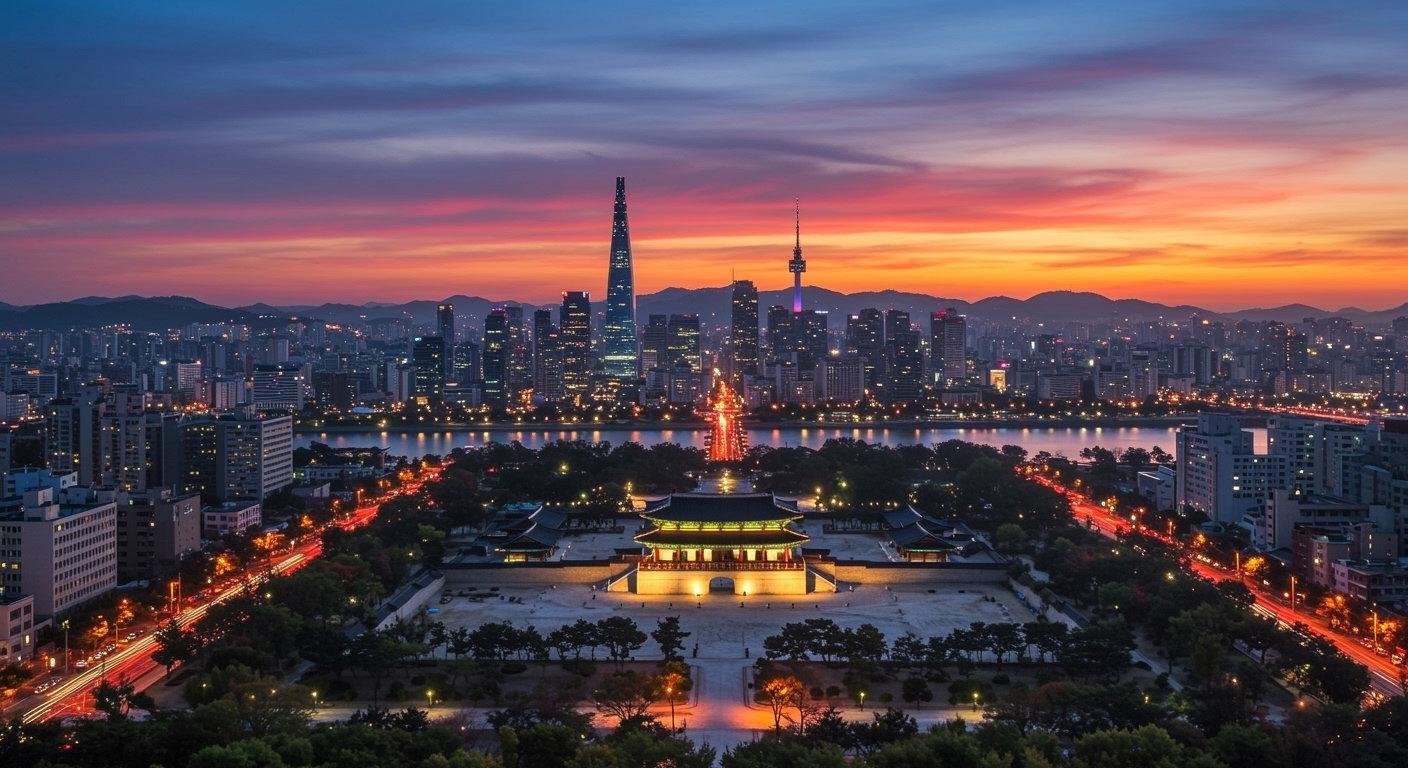
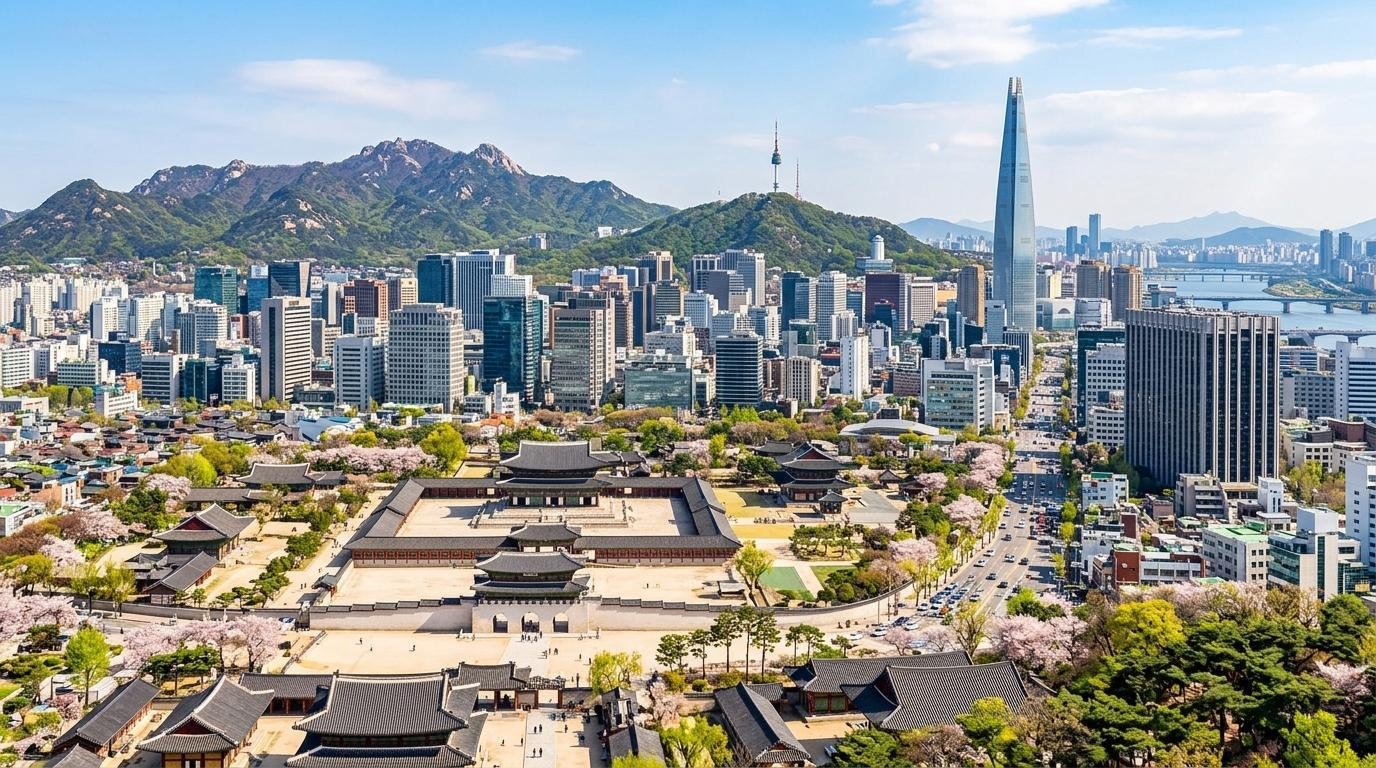
In Seoul, families can explore royal heritage, traditional neighbourhoods, public spaces and lively shopping districts. Historic landmarks such as Gyeongbokgung Palace provide an introduction to Korea’s royal past, while the city’s markets and food streets offer opportunities to discover everyday Korean life. The exact sightseeing schedule can be adapted to the ages and interests of the family.
Busan brings a different atmosphere, with its beaches, waterfront scenery, markets and hillside cultural neighbourhoods. Families can enjoy a more leisurely pace while discovering the city’s relationship with the sea. Jeju Island completes the journey with volcanic landscapes, coastal viewpoints, waterfalls and outdoor experiences that appeal to travellers who enjoy nature.
The route combines cultural discovery with opportunities for relaxation. As the journey includes three destinations within eight days, transport connections and sightseeing priorities should be planned carefully to avoid an unnecessarily rushed holiday. Domestic travel arrangements, accommodation and specific activities will depend on the final itinerary and selected package.
Tour Highlights
Discover Seoul’s Royal Heritage: Explore the city’s historic palace district and learn about traditional Korean architecture and royal history.
Experience Modern Seoul: Visit lively neighbourhoods, shopping areas and public spaces that showcase the capital’s contemporary lifestyle.
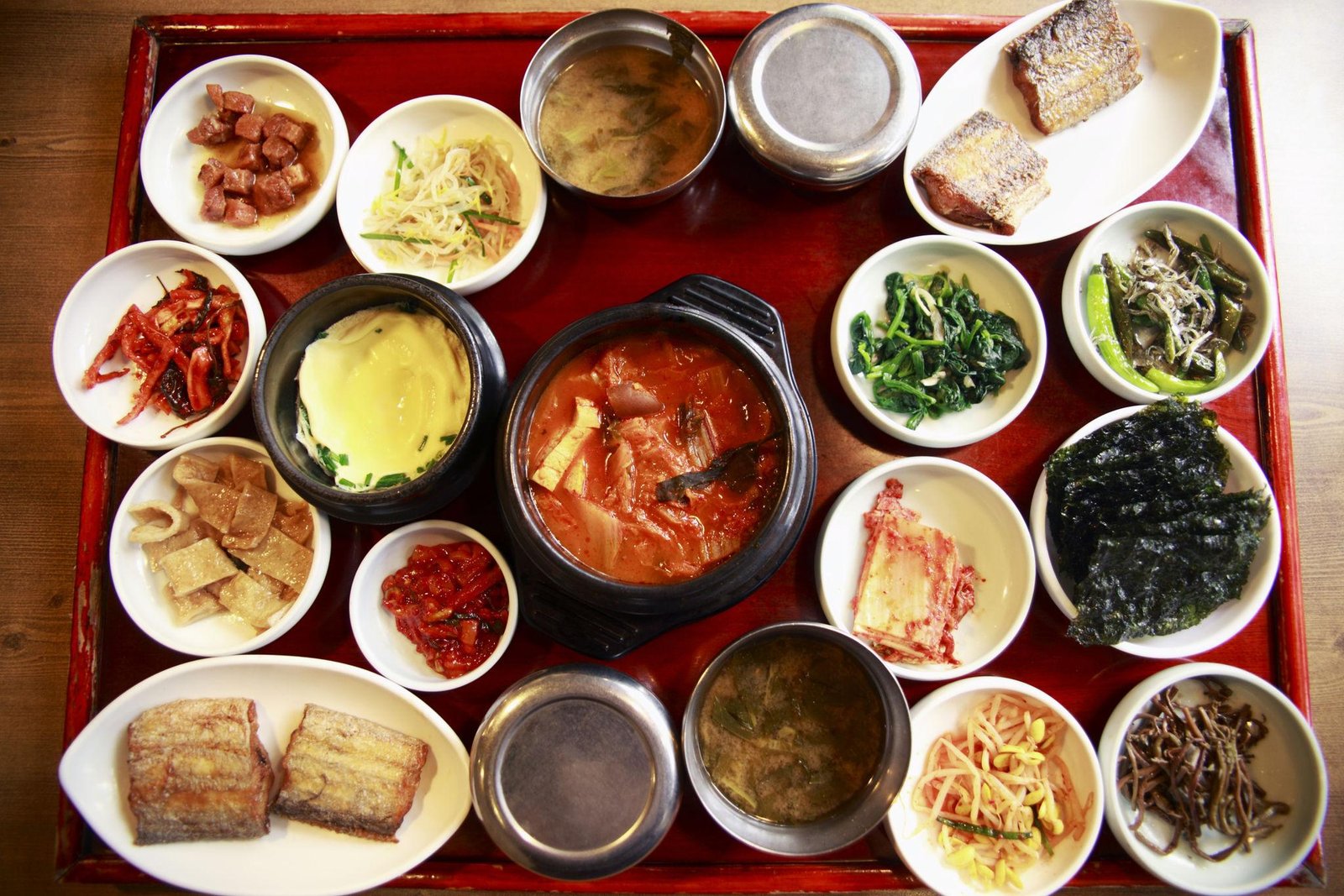
Discover Korean Cuisine: Introduce the family to dishes such as bibimbap, bulgogi, Korean pancakes and other local favourites, with alternatives selected according to dietary needs.
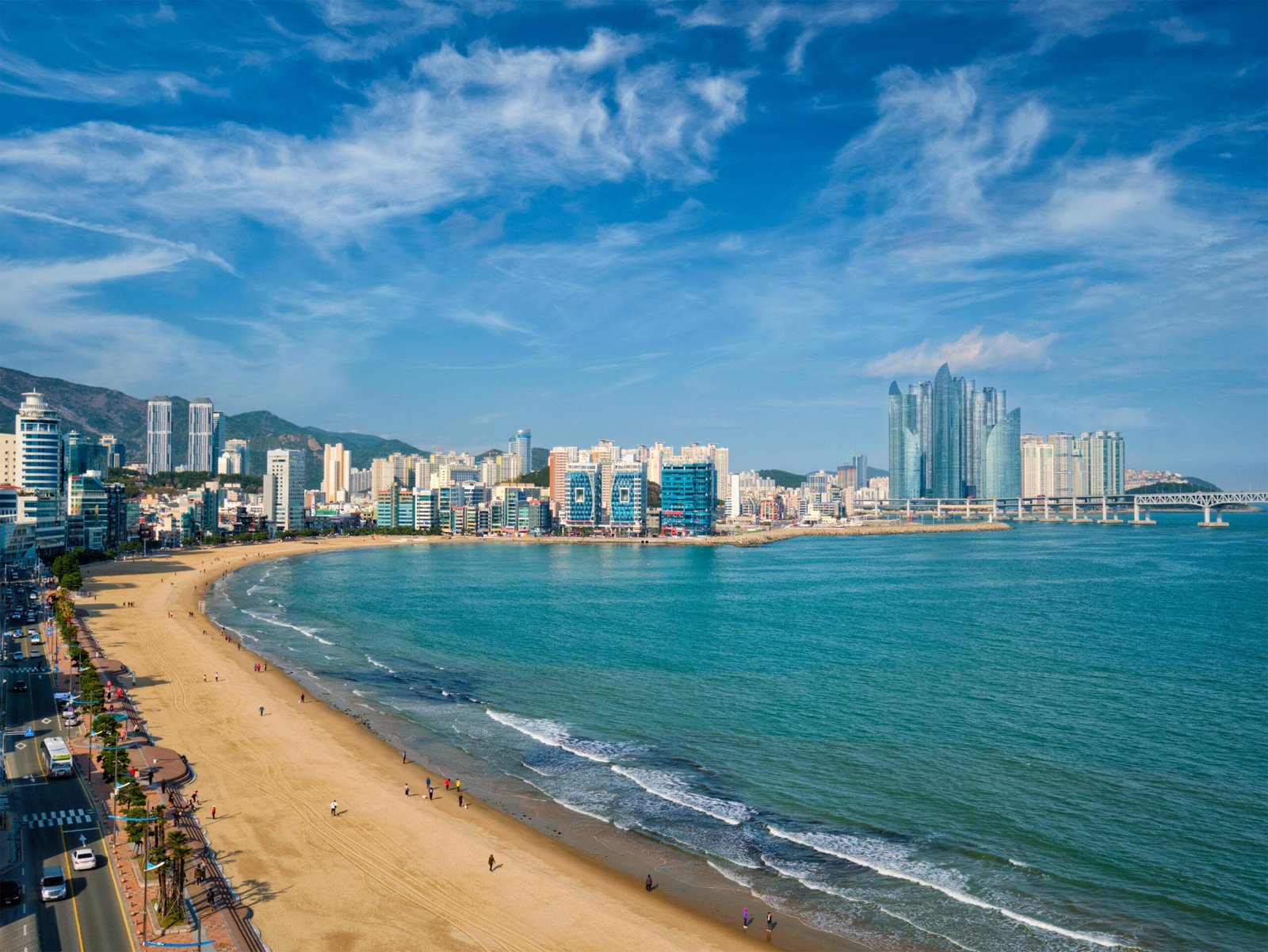
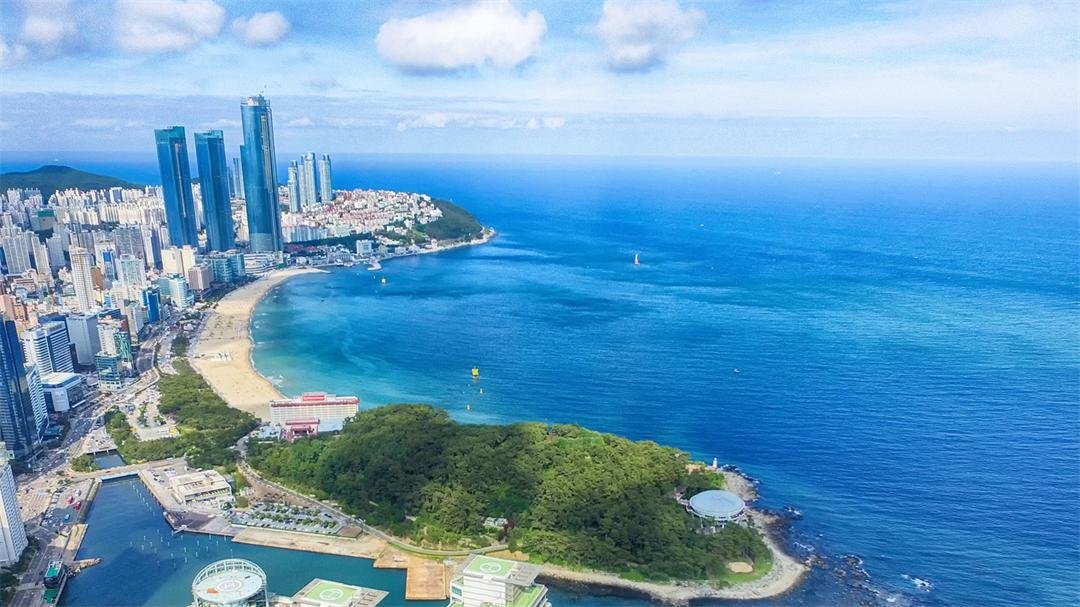
Explore Coastal Busan: Enjoy the city’s seaside atmosphere, with opportunities to visit Haeundae Beach and other coastal viewpoints.
Visit Busan’s Cultural Neighbourhoods: Discover colourful hillside streets and local markets, depending on the confirmed sightseeing plan.
Experience Jeju’s Volcanic Landscapes: Explore the island’s distinctive scenery, shaped by volcanic activity and surrounded by the sea.
Enjoy Family-Friendly Outdoor Exploration: Consider scenic walks, waterfalls, coastal paths and nature attractions suited to the family’s ages and mobility.
Experience Three Sides of South Korea: Combine city culture, coastal living and island nature in one carefully coordinated holiday.
Places You'll See
Tour Itinerary
Day 1 – Arrival in Seoul
Arrive in Seoul and begin settling into South Korea's capital. Depending on arrival time, enjoy a relaxed introduction to the surrounding neighbourhood, a short walk or an informal meal featuring Korean cuisine. Keeping the first day flexible allows families to recover from international travel and adjust to the local time zone.
Day 2 – Seoul's History and Cultural Heritage
Discover Seoul's historical side with a suggested visit to Gyeongbokgung Palace and the surrounding cultural district. Depending on opening arrangements and the final schedule, the day may include traditional architecture, nearby streets and opportunities to learn about Korean customs. Families can also explore a traditional neighbourhood or local market, with enough flexibility for breaks and individual interests.
Day 3 – Modern Seoul and Family Discovery
Explore a different side of the capital through its contemporary neighbourhoods, shopping areas and entertainment districts. Depending on family interests, possible experiences include visiting a major public landmark, browsing local shops or sampling Korean street food. The day can be adjusted for younger children, teenagers or adults who prefer a more cultural focus.
Day 4 – Travel to Busan and Coastal Exploration
Travel from Seoul to Busan using a suitable domestic transport arrangement, to be confirmed during planning. After arrival, enjoy an introduction to the coastal city. If time permits, the suggested programme may include Haeundae Beach, a waterfront walk or a local market. The exact activities will depend on the transport schedule and the family's arrival time.
Day 5 – Busan's Coast, Culture and Local Life
Spend the day discovering Busan's coastal scenery and distinctive neighbourhoods. Options for the confirmed itinerary may include a visit to Gamcheon Culture Village, known for its colourful hillside setting, or time around the city's beaches and traditional markets. Families can balance sightseeing with relaxed time by the sea before continuing the journey.
Day 6 – Travel to Jeju Island
Transfer to Jeju Island using a suitable domestic connection, with the transport method and schedule confirmed in the final arrangements. After arrival, explore the surrounding area at a comfortable pace. Depending on arrival time, the afternoon may be suitable for a coastal viewpoint, a local village or a relaxed introduction to the island's landscapes.
Day 7 – Jeju Island Nature and Scenic Attractions
Explore Jeju's natural environment, with suggested experiences including waterfalls, coastal scenery, volcanic formations or selected walking trails. Seongsan Ilchulbong, a prominent volcanic tuff cone, is one possible attraction for families interested in geology and dramatic coastal views. Activities should be selected according to weather, opening conditions, mobility and the ages of the travellers.
Day 8 – Departure from Jeju or onward travel
Enjoy breakfast and any available free time before departure or onward travel. Depending on the confirmed arrangements, travellers may depart from Jeju or connect through another South Korean city for their international flight. The appropriate departure plan should be established before flights are booked to ensure sufficient transfer time.
Destinations & Experiences
Seoul – History, Food and Contemporary Korean Life
Seoul combines royal palaces and traditional streets with modern architecture, shopping districts and an extensive urban transport network. Gyeongbokgung Palace is a key attraction for visitors interested in Korean history, while neighbourhoods such as Insadong offer opportunities to discover traditional crafts, galleries and cultural shops.
Families may also enjoy exploring selected markets, public spaces and contemporary districts. The best sightseeing choices depend on the family's interests and the amount of time available.
Busan – Beaches, Markets and Coastal Culture
South Korea's second-largest city offers a different perspective on Korean life. Haeundae Beach is one of its best-known coastal areas, while Gamcheon Culture Village attracts visitors with its colourful buildings and hillside setting. Local seafood markets and waterfront districts provide opportunities to experience the city's maritime character.
Busan is particularly suitable for families who want a combination of sightseeing and downtime by the coast. Walking distances and steep streets should be considered when selecting neighbourhood visits for younger children or travellers with reduced mobility.
Jeju Island – Volcanic Landscapes and Outdoor Discovery
Jeju is known for its volcanic origins, scenic coastline, waterfalls and distinctive island culture. Seongsan Ilchulbong, Hallasan Mountain and selected coastal attractions illustrate the island's geological diversity. Depending on the final schedule, families may choose gentle scenic outings or more active nature experiences.
Because attractions are spread across the island, transport planning is important. A realistic sightseeing schedule should group locations geographically and allow time for road travel, weather changes and rest breaks.
Culture, Food & Local Experiences
South Korean culture combines long-established traditions with a dynamic contemporary lifestyle. Families can discover traditional architecture, royal history, local markets and modern entertainment while learning about customs that shape everyday life. Depending on the season, cultural performances, public celebrations and special events may offer additional experiences.
Food is an important part of the journey. Seoul and Busan provide opportunities to sample dishes such as bibimbap, bulgogi, japchae, Korean dumplings and savoury pancakes. Busan is particularly associated with seafood, although suitable alternatives are available in many dining areas. On Jeju, travellers can discover island specialities, including locally produced seafood and Jeju black pork.
Families should communicate allergies, dietary restrictions and preferences in advance. Korean cuisine often uses ingredients such as soy, sesame, seafood and chilli, so menus and preparation methods should be checked carefully where necessary.
The trip also provides opportunities to experience Korea's contemporary popular culture, from fashion and music to entertainment districts and shopping. Families can decide how much time to devote to these interests when developing their final itinerary.
Who This Tour Is For
This family holiday is well suited to:
Families with School-Age Children: A varied itinerary introduces children to history, food, city life and natural landscapes.
Families Travelling with Teenagers: Seoul's contemporary culture, Busan's coastal atmosphere and Jeju's outdoor attractions offer varied interests.
First-Time Visitors: The three destinations provide a broad introduction to South Korea within one holiday.
Culture and Food Enthusiasts: Palace visits, traditional neighbourhoods and local cuisine add depth to the experience.
Nature-Loving Families: Jeju provides opportunities to explore volcanic landscapes, waterfalls and coastal scenery.
Multigenerational Families: The journey can be adjusted to accommodate different interests, activity levels and rest requirements.
Families travelling with toddlers or very young children should consider the pace of the itinerary, luggage transfers and the time required for domestic connections. A more relaxed version may be preferable if minimising travel days is a priority.
Best Time to Visit South Korea
South Korea has four distinct seasons, each offering a different experience for families.
Spring (March–May): Spring brings milder weather and seasonal flowers, including cherry blossoms in many parts of the country. April can be particularly attractive, although blossom timing varies annually and popular locations may be busy. Temperatures can change, so layered clothing is useful.
Summer (June–August): Summer is warm and humid, with a rainy season that commonly affects late June and July. August can be particularly hot, and typhoons may affect travel conditions. Beaches and coastal areas can appeal to families, but outdoor sightseeing should allow for heat, rain and weather-related changes.
Autumn (September–November): Autumn generally offers comfortable conditions for city sightseeing and outdoor exploration. Autumn foliage can add colour to parks and mountain landscapes, particularly in October and November, although exact timing depends on local conditions. This is often an attractive season for a family itinerary combining cities and nature.
Winter (December–February): Winter can be cold, with snowfall possible in some regions. Families who enjoy seasonal scenery, winter activities and festive city displays may appreciate this period, but Jeju's coastal weather can be windy and changeable.
Spring and autumn are strong options for a balanced sightseeing holiday. The final choice should take school holidays, airfare costs, accommodation availability and the family's preferred activities into account.
Travel Information
Passport and Visa Requirements: Travellers should hold valid passports and check entry requirements for their nationality before booking. Visa requirements, permitted stays and any electronic travel authorisation rules depend on nationality and current South Korean regulations. Check official guidance before departure.
Currency: South Korea uses the South Korean won (KRW). Cards are widely used in many urban settings, but carrying some cash can be helpful for smaller purchases and selected market transactions. Payment acceptance varies by merchant.
Language: Korean is the official language. English is available in many tourist-facing establishments, but not everyone speaks it fluently. Translation applications and offline maps can be useful for families navigating independently.
Local Transportation: Seoul and Busan have extensive public transport systems, while rail services connect the major cities. Travel to Jeju commonly involves a domestic flight, although alternative arrangements may be possible. Transport on Jeju requires additional planning because attractions are spread across the island. The final package should specify how intercity and local travel will be handled.
Weather and Clothing: Pack comfortable walking shoes, weather-appropriate layers and clothing suitable for the season. Summer visitors should prepare for humidity and rain, while winter travellers need warm outerwear. Families visiting Jeju should bring wind-resistant layers when appropriate.
Electricity: South Korea generally uses 220V electricity and Type C or Type F sockets. Check device compatibility and bring a suitable plug adapter.
Travel Insurance: Comprehensive travel insurance is recommended for all family members. Review coverage for medical expenses, cancellations, baggage and travel disruptions.
Family Travel Preparation: Keep essential medication in its original packaging, carry important travel documents and check requirements for travelling with minors. Families with specific mobility, dietary or childcare needs should discuss these requirements during the planning stage.
Frequently Asked Questions
1. Is this South Korea family tour suitable for first-time visitors?
Yes. The proposed itinerary combines Seoul's history and modern culture, Busan's coastal attractions and Jeju Island's natural scenery. It offers a varied introduction to the country, although families should be comfortable with travelling between three destinations in eight days.
2. How many days do families need to visit South Korea?
Eight days can provide a useful introduction to Seoul, Busan and Jeju Island. However, the schedule involves several travel connections. Families who prefer a slower pace or wish to include additional destinations may benefit from a longer holiday.
3. What is included in a South Korea tour package?
Inclusions vary by package. Accommodation, transfers, domestic transport, sightseeing, meals and guide services should be listed individually in the final quotation. GlobalLink Suisse can discuss the required arrangements before the itinerary is confirmed.
4. What is the best time to book a family holiday to South Korea?
Spring and autumn are popular for comfortable sightseeing conditions. Families travelling during school holidays, cherry blossom season or autumn foliage periods should plan ahead where possible. Actual availability and prices depend on travel dates and demand.
Why Travel with GlobalLink Suisse?
GlobalLink Suisse helps travellers explore destinations through considered travel planning and itinerary development. For a multi-destination South Korea holiday, advance coordination is particularly important: accommodation, domestic connections and sightseeing need to work together to make the journey practical for the whole family.
The planning process can take account of different ages, activity preferences, dietary requirements, accommodation expectations and the balance between guided experiences and independent time. This allows travellers to discuss what matters most before settling on the final itinerary, rather than relying on a one-size-fits-all schedule.
As an international travel company based in Switzerland, GlobalLink Suisse can discuss travel arrangements with Swiss-based clients and other international travellers. Specific services, inclusions, availability and support arrangements should be established during the enquiry and quotation process.
Customize Your Journey
Every family has different priorities. When contacting GlobalLink Suisse, consider sharing:
Your preferred departure and return dates.
The number of adults and children, including children's ages.
Your preferred accommodation category and room arrangements.
Your interests, such as Korean culture, food, entertainment, shopping or nature.
Your preferred balance of sightseeing and leisure time.
Any dietary, mobility or other special requirements.
Whether you need assistance coordinating international flights or additional destinations.
The itinerary can then be reviewed for practicality, including the time needed to travel between Seoul, Busan and Jeju. Any proposed changes, services and associated costs should be confirmed in the final quotation.
Start Planning Your South Korea Family Holiday
Explore South Korea through the history of Seoul, the coastal atmosphere of Busan and the natural landscapes of Jeju Island. This eight-day journey offers families an opportunity to experience different sides of the country in one thoughtfully planned holiday.
Contact GlobalLink Suisse to discuss your preferred travel dates, family requirements, accommodation preferences and sightseeing interests. Request a personalized quotation and find out how the proposed itinerary can be adapted to suit your family's travel plans.
Price Includes
The final inclusions will depend on the selected package and confirmed itinerary. No specific hotel, transport service, meal plan or guided excursion has yet been confirmed.
Potential arrangements to discuss with GlobalLink Suisse include:
Accommodation suitable for the family’s room configuration and budget.
Arrival, departure and intercity transfers, where selected.
Domestic transport between Seoul, Busan and Jeju Island.
Sightseeing arrangements for agreed attractions.
Local guide services, if required and available.
Selected meals or family dining arrangements, if included in the chosen package.
Assistance coordinating the travel schedule and agreed services.
Final inclusions are confirmed based on the selected package and itinerary. Travellers should request a written quotation identifying the services, accommodation category, transport arrangements and meals covered by the price.
Not Included:
The following are common items to clarify during quotation and should not be treated as confirmed exclusions until the package terms are issued:
International flights to and from South Korea.
Domestic flights or other transport not specified in the quotation.
Travel insurance.
Visa fees or other immigration-related charges, where applicable.
Meals and beverages not included in the confirmed package.
Optional excursions, attraction tickets and activities outside the agreed itinerary.
Personal expenses, shopping and laundry.
Additional accommodation arising from early arrivals, late departures or schedule changes.
Tips and gratuities, where applicable.
Any service not specifically listed in the confirmed inclusions.
Review the final quotation carefully so the family understands the total expected cost before confirming the booking.
Ideal For
- Culture seekers and first-time visitors to South Korea
- K-drama and K-pop fans
- Educational and alumni groups
- Wellness and spiritual travelers