Switzerland 7-Day Swiss Alps Adventure – Zermatt, Interlaken & Alpine Landscapes
Discover Switzerland’s spectacular mountain scenery on a 7-day Swiss Alps adventure tour featuring the iconic Alpine destinations of Zermatt and Interlaken. Designed for travellers who appreciate dramatic landscapes, mountain villages, fresh Alpine air and scenic journeys, this experience offers an introduction to the natural beauty and character of the Swiss Alps.
From the world-famous Matterhorn views around Zermatt to the lakes, valleys and mountain panoramas of the Interlaken region, the journey combines sightseeing, outdoor exploration and opportunities to experience traditional Swiss culture. Depending on the final itinerary, travellers may enjoy scenic rail journeys, mountain excursions, leisurely village walks and time to explore at their own pace.
Whether you are planning a couple’s holiday, a family getaway or an independent adventure, GlobalLink Suisse can help you explore the possibilities for a Switzerland holiday that reflects your interests, travel dates and preferred level of comfort.
Tour Overview
Switzerland is renowned for its mountain scenery, well-connected transport network, picturesque villages and distinctive regional traditions. This seven-day journey focuses on two of the country’s best-known Alpine destinations: Zermatt, a mountain resort beneath the Matterhorn, and Interlaken, a popular base for discovering the Bernese Oberland.
The journey offers a balance between sightseeing and leisure. In Zermatt, the car-free village setting, traditional buildings and impressive mountain backdrop create an ideal environment for walking, photography and exploring at a relaxed pace. The Matterhorn is one of Switzerland’s most recognizable natural landmarks, and the surrounding region provides opportunities for panoramic mountain excursions, depending on weather conditions and the selected arrangements.
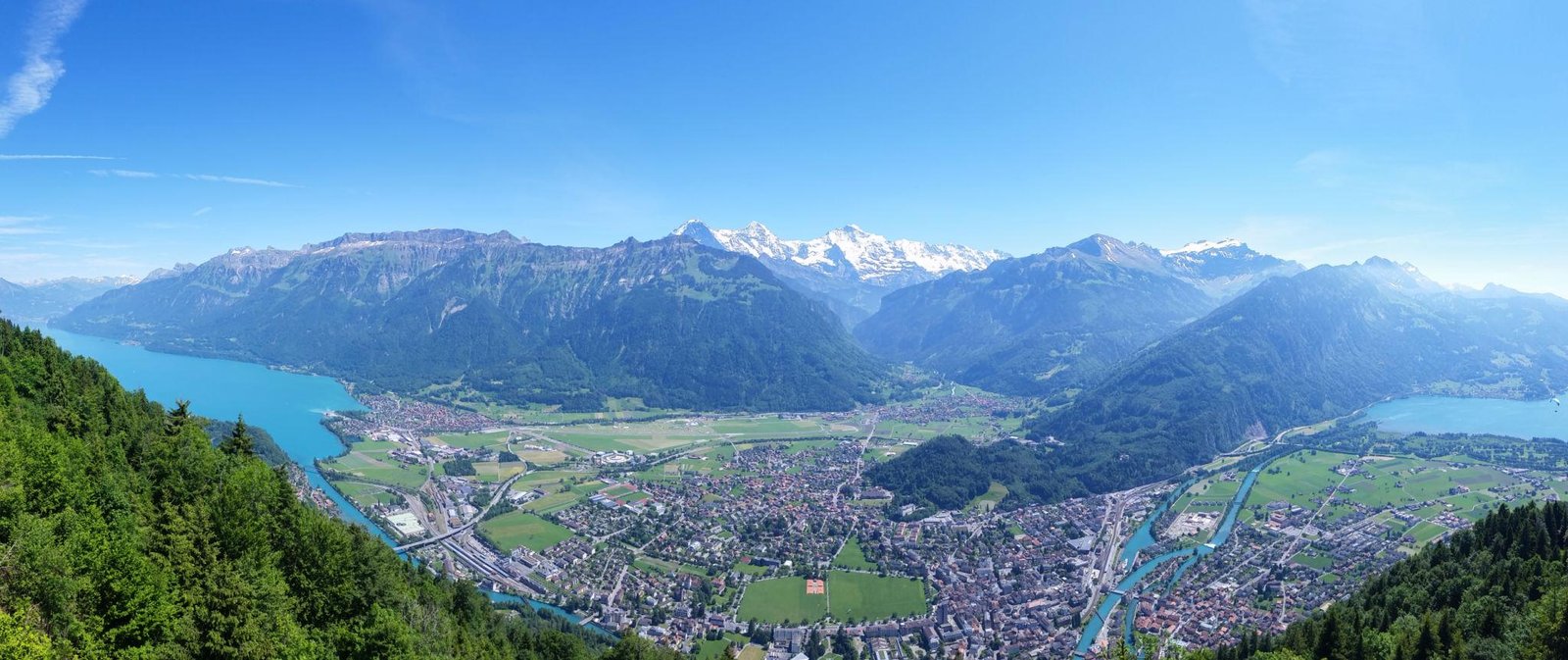
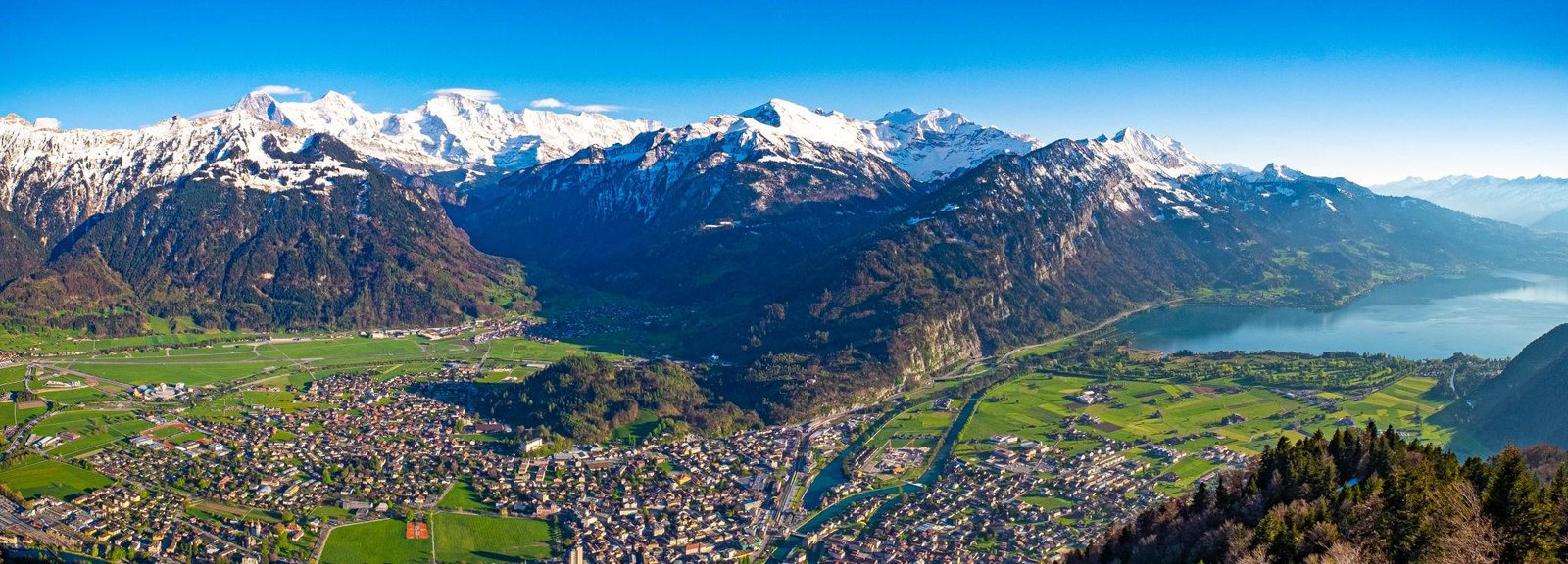
Interlaken offers a different perspective on the Swiss Alps. Located between Lake Thun and Lake Brienz, the town provides access to mountain villages, scenic valleys and viewpoints across the Bernese Oberland. Travellers can use their time here to discover the surrounding landscape, enjoy lakeside scenery and consider optional excursions to destinations such as Lauterbrunnen or Grindelwald.
Throughout the tour, Switzerland’s cultural character is an important part of the experience. Traditional architecture, regional cuisine, village life and the country’s efficient public transport all contribute to a journey that extends beyond mountain photography. The final sequence of destinations, accommodation, transport arrangements and excursions will depend on the confirmed itinerary.
Tour Highlights
- Discover Zermatt: Explore a celebrated Alpine village known for its traditional character, mountain atmosphere and views of the Matterhorn.
- Experience the Matterhorn landscape: Discover opportunities for mountain viewpoints and panoramic excursions, subject to weather, operating schedules and package arrangements.
- Explore Interlaken: Spend time in a scenic resort town positioned between Lake Thun and Lake Brienz.
- Discover the Bernese Oberland: Consider excursions to nearby Alpine villages and valleys, including Lauterbrunnen and Grindelwald.
- Enjoy Swiss Alpine scenery: Experience dramatic mountain peaks, green valleys, clear lakes and traditional settlements.
- Explore at your own pace: Allow time for photography, leisurely walks, local shopping and independent sightseeing.
- Experience Swiss culture and cuisine: Discover regional specialities, traditional village settings and the everyday character of Alpine communities.
- Plan a journey around your interests: Discuss suitable excursions, accommodation preferences and transport options with GlobalLink Suisse.
Price € 1985
Duration: 7 Days 6 Nights
Tour Itinerary
Optional Add-Ons:
Day 1- Arrival in Switzerland
Arrive in Switzerland and begin your Alpine holiday. Depending on your arrival airport and the confirmed arrangements, travel to your first overnight destination and settle into your accommodation.
Use any available free time to explore the surrounding area, enjoy a relaxed meal or prepare for the days ahead. Your arrival arrangements and overnight location will be confirmed as part of the final itinerary.
Suggested experience: An easy introductory walk, a local café visit or independent sightseeing, depending on your arrival time.
Day 2 –Scenic Journey to Zermatt
Travel towards Zermatt, an Alpine resort village in the canton of Valais. The journey can offer changing views of Switzerland’s landscapes, from settled valleys to increasingly dramatic mountain scenery.
After arrival, explore the village streets and discover its traditional chalets, shops and restaurants. Zermatt's car-free centre creates a distinctive atmosphere for walking, while the surrounding peaks provide an impressive backdrop.
Suggested experience: Explore the village centre, photograph the Matterhorn when visible and enjoy a relaxed evening in Zermatt.
Day 3 – Zermatt and the Matterhorn Region
Dedicate the day to discovering Zermatt and its spectacular mountain surroundings. Depending on the final package, available weather conditions and seasonal operations, you may choose a mountain excursion for elevated views of the surrounding Alpine landscape.
Travellers who prefer a gentler day can spend more time exploring the village, enjoying cafés or discovering local shops. Those interested in photography will find opportunities to capture traditional architecture and mountain scenery throughout the area.
Suggested experience: A panoramic mountain excursion, subject to availability, or a leisurely day exploring Zermatt.
Day 4 – Travel to Interlaken
Leave Zermatt and continue towards Interlaken according to the confirmed transport arrangements. This transfer connects two contrasting Alpine environments: the high-mountain setting of Zermatt and the lakeside landscapes of the Bernese Oberland.
On arrival, explore Interlaken's central streets and open spaces. The town is a convenient base for discovering the surrounding region, with views towards the mountains and access to Lake Thun and Lake Brienz.
Suggested experience: An introductory walk through Interlaken, time for photography and a relaxed evening exploring local dining options.
Day 5 – Interlaken and Alpine Landscapes
Spend the day discovering Interlaken and its surroundings. Depending on your interests, you may focus on lakeside scenery, local sightseeing or an excursion into the nearby mountains.
Optional experiences in the wider region may include a visit to Lauterbrunnen, known for its dramatic valley scenery and waterfalls, or Grindelwald, a village surrounded by impressive mountain landscapes. These excursions require suitable travel arrangements and may be incorporated into the final itinerary.
Suggested experience: Explore Interlaken or take an optional excursion to a nearby Alpine village.
Day 6 – Bernese Oberland Exploration
Enjoy another day in the Interlaken region, with time for additional sightseeing or a more relaxed pace. Travellers interested in mountain panoramas may consider a suitable excursion, while those who prefer leisure can discover local shops, cafés and lakeside areas.
The day can also provide flexibility for activities that depend on weather and seasonal conditions. Specific mountain transport, excursion tickets and activity costs should be confirmed before departure.
Suggested experience: A scenic excursion, leisurely village visit or additional time in Interlaken.
Day 7 –Departure from Switzerland
Enjoy breakfast and any remaining free time, depending on your departure schedule and package arrangements. Continue to the designated airport or onward destination using the confirmed transportation plan.
If you are extending your stay, GlobalLink Suisse can discuss the possibility of adding destinations or additional nights, subject to availability and the agreed arrangements.
Suggested experience: A final walk or café visit before departure, if time permits.
Destinations & Experiences
Zermatt and the Matterhorn
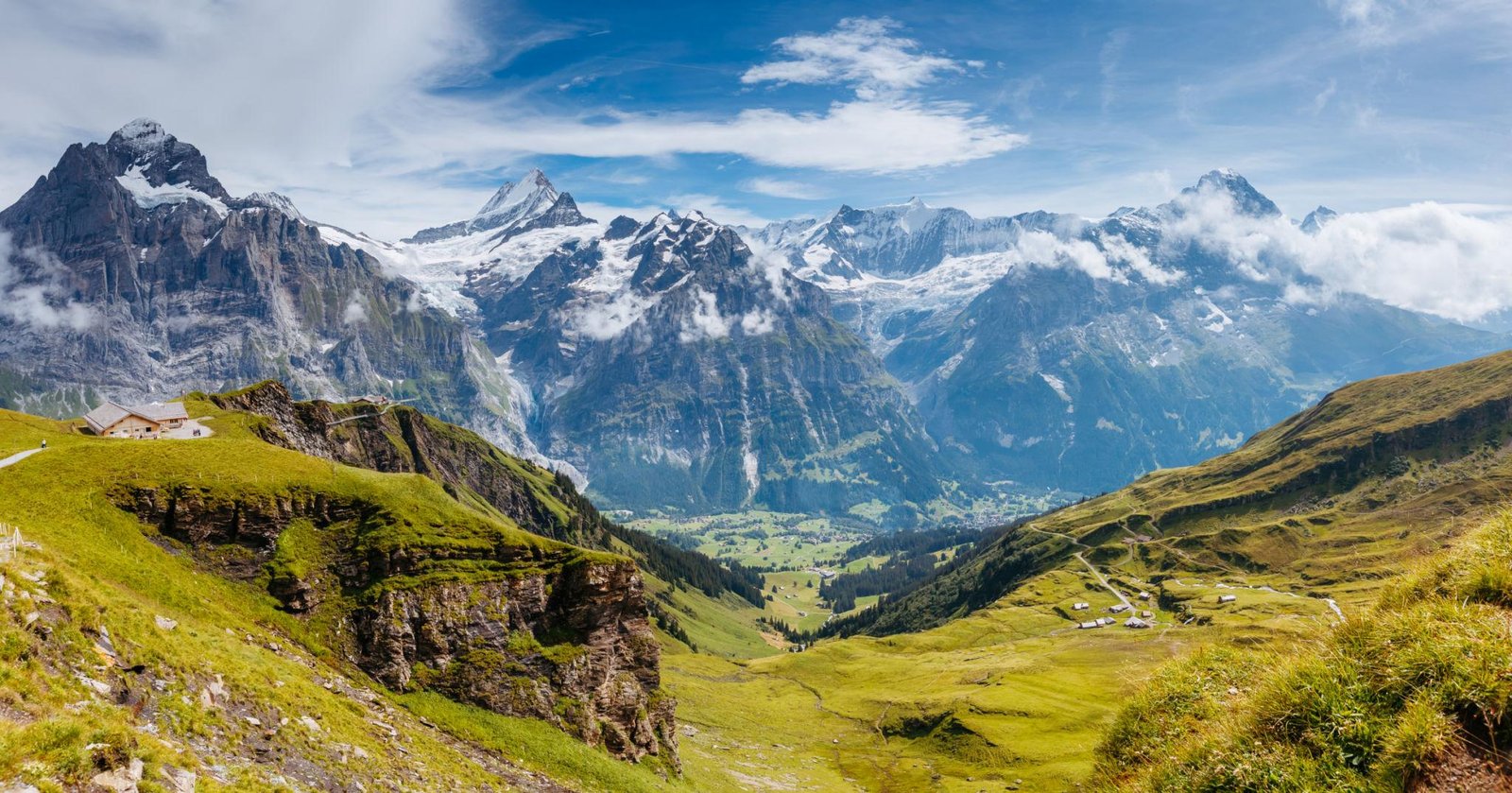
Zermatt is one of Switzerland’s most distinctive mountain destinations. Situated in the canton of Valais, the village is internationally associated with the Matterhorn, whose striking pyramid-shaped profile dominates the surrounding landscape when weather conditions allow.
The village itself is worth exploring. Traditional Alpine architecture, small shops, restaurants and mountain-oriented outdoor culture give Zermatt a character that differs from Switzerland’s larger cities. Its car-free centre also makes walking an important part of the visitor experience.
Depending on the season and selected arrangements, visitors may consider mountain railways, panoramic viewpoints and outdoor activities. Conditions vary throughout the year, so excursions should be planned with current weather and operating information in mind.
Interlaken
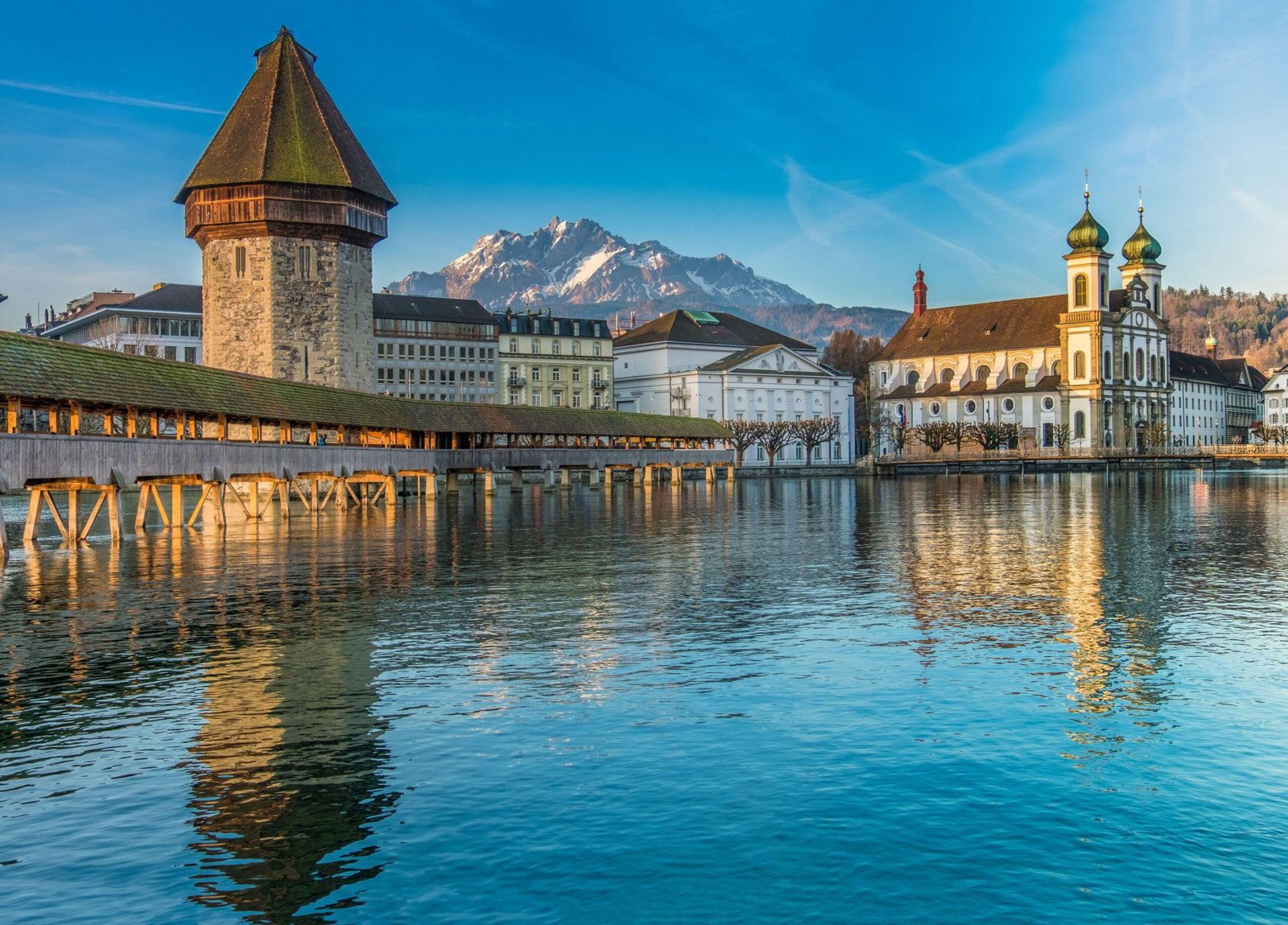
Interlaken lies between Lake Thun and Lake Brienz in the Bernese Oberland. Its position makes it a useful base for travellers who want to combine town sightseeing with excursions into the surrounding Alpine region.
The town offers open public spaces, shopping streets, restaurants and views towards the mountains. Visitors can enjoy a relatively relaxed sightseeing day or use Interlaken as a starting point for additional regional exploration.
Lauterbrunnen
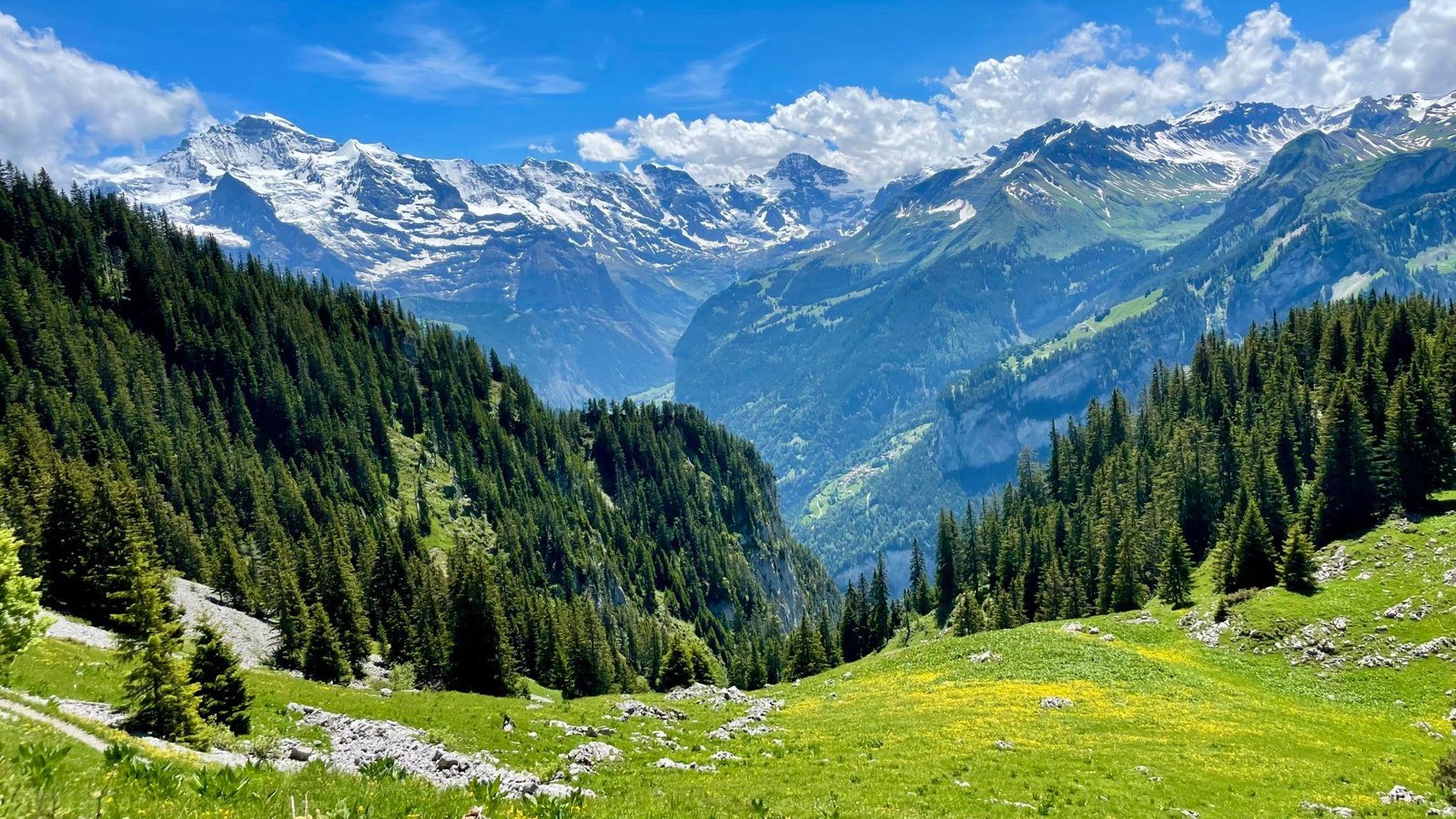
Lauterbrunnen is a village in a dramatic valley characterized by steep rock faces, mountain scenery and waterfalls. It is a popular option for travellers interested in photography, walking and traditional Swiss village landscapes.
A visit can be considered as an excursion from Interlaken, depending on the final itinerary, available transport and time.
Grindelwald
Grindelwald is a mountain village in the Bernese Oberland, surrounded by striking Alpine scenery. It offers access to outdoor experiences and mountain viewpoints, with options varying according to the season and operating schedules.
For travellers who want to experience more of the Swiss Alps beyond Interlaken, Grindelwald can be a worthwhile addition to the journey.
Culture, Food & Local Experiences
Swiss Alpine culture reflects a combination of regional traditions, mountain livelihoods and modern tourism. In the Valais region around Zermatt, traditional chalets and local food culture provide insight into life in a mountain community. The Bernese Oberland has its own distinctive village architecture, rural landscapes and traditions.
Food is an enjoyable part of exploring Switzerland. Travellers may encounter fondue, raclette, rösti and regional cheeses on restaurant menus. In Valais, locally produced wines and regional specialities are also part of the culinary identity. Menus and availability vary by establishment and season.
Local cafés, bakeries and village restaurants offer opportunities to take a break between sightseeing activities. Travellers can also browse souvenir shops and stores selling regional products.
Seasonal experiences can add another dimension to the journey. Summer generally offers more opportunities for hiking and outdoor exploration, while winter brings snow-covered landscapes and a strong focus on winter sports in many Alpine destinations. Local festivals, markets and village events vary by date, so travellers interested in particular events should plan their travel dates accordingly.
Who This Tour Is For
This Swiss Alps adventure is suitable for a range of travellers seeking mountain scenery and a manageable introduction to Switzerland.
- Couples: Enjoy scenic destinations, village walks, mountain views and opportunities for relaxed dining.
- Families: Explore Alpine landscapes together, with the final activity selection adapted to the ages and interests of family members.
- First-time visitors: Discover two major Alpine destinations within a single seven-day holiday.
- Photography enthusiasts: Capture the Matterhorn, mountain valleys, lakes and traditional Swiss villages.
- Outdoor enthusiasts: Consider seasonal walks, mountain excursions and suitable outdoor activities.
- Culture and food travellers: Experience Swiss village life, regional cuisine and local traditions.
- Independent travellers: Enjoy a combination of planned arrangements and free time, depending on the selected package.
Travellers with limited mobility or specific accessibility needs should discuss their requirements before booking, as mountain transport, walking routes and local terrain can present challenges.
Best Time to Visit Switzerland
Switzerland is a year-round destination, but the best time for a Swiss Alps adventure depends on the type of scenery and activities you prefer.
Summer (June to August): Summer is popular for hiking, sightseeing and exploring Alpine villages. Many mountain trails and seasonal attractions operate during this period, although opening dates vary. Expect higher demand at popular destinations and book important arrangements in advance.
Spring (April to May): Spring brings changing landscapes, greener lower valleys and melting snow at higher elevations. Some mountain routes and trails may remain closed, so travellers should check local operating conditions.
Autumn (September to October): Autumn can offer crisp air, colourful landscapes and opportunities for quieter sightseeing outside the busiest periods. Mountain weather can change quickly, and some seasonal services begin reducing their operating schedules.
Winter (November to March): Winter provides snow-covered scenery and access to seasonal winter sports in suitable areas. Zermatt is a major winter destination, but weather, transport and mountain excursion conditions may affect plans.
For travellers who want to combine Zermatt and Interlaken with outdoor exploration, late spring through early autumn is often a useful period to consider. The best dates depend on the specific excursions you want to experience.
Best Time to Visit Switzerland
Switzerland can be visited throughout the year, but the best season depends on the type of holiday you want.
Summer, from June to August, is popular for sightseeing, mountain excursions, hiking and enjoying Switzerland's lakes and Alpine scenery. Days are generally longer, although popular destinations can be busy.
Spring and autumn can be excellent choices for travellers looking for a quieter atmosphere. Conditions vary by altitude, but these shoulder seasons can offer attractive landscapes and comfortable conditions for city sightseeing.
Winter, from December to February, transforms many Alpine areas into winter destinations, making the season particularly appealing to travellers interested in snow, mountain scenery and winter activities. City experiences remain available, although mountain conditions can differ significantly.
For a multi-region journey such as this one, the final travel dates should be selected according to the traveller's preferred balance of city sightseeing, mountain access and seasonal experiences.
Travel Information
Passport and visa: Entry requirements depend on nationality, residence status and current Swiss/Schengen regulations. Travellers should confirm the applicable requirements before booking and travelling.
Currency: Switzerland uses the Swiss franc (CHF). Cards are widely used, although carrying some local currency can be useful.
Languages: Switzerland has four national languages: German, French, Italian and Romansh. English is also commonly encountered in tourist areas.
Transportation: Switzerland has an extensive public transportation network, including trains, buses and boats. The final transportation arrangements for this tour depend on the selected itinerary.
Weather: Conditions can change considerably between cities and Alpine areas. Mountain weather may be cooler and less predictable than conditions at lower elevations.
What to pack: Comfortable walking shoes, adaptable layers and weather-appropriate clothing are recommended. For mountain excursions, additional warm and weather-resistant clothing may be useful.
Electricity: Switzerland generally uses Type J electrical outlets. Travellers should bring a suitable adapter if their devices use different plugs.
Travel insurance: Comprehensive travel insurance is recommended for international travel and should be arranged before departure.
Travel Information
Passport and visa requirements: Travellers should hold a valid passport and check the entry requirements applicable to their nationality, residence status and travel circumstances. Switzerland participates in the Schengen area. Visa requirements and permitted stays depend on current regulations and individual circumstances.
Currency: The official currency is the Swiss franc (CHF). Cards are widely accepted, although carrying a small amount of cash may be useful for occasional purchases.
Languages: Switzerland has four national languages: German, French, Italian and Romansh. German is widely used in the Interlaken region, while French is spoken in much of western Switzerland and Italian in Ticino. English is commonly understood in many tourist-facing settings.
Local transportation: Switzerland has an extensive public transport network. Rail and regional connections can make travel between Alpine destinations practical, but the specific route and tickets should be confirmed for your itinerary. Zermatt is a car-free village, so visitors should plan accordingly.
Weather and clothing: Alpine weather can change quickly, and temperatures are often lower at higher elevations than in nearby towns. Pack layers, a waterproof jacket, comfortable walking shoes and suitable clothing for the season.
What to pack: Useful items include sunglasses, sunscreen, a reusable water bottle, a day bag and any personal medication. If you plan mountain excursions, bring appropriate footwear and clothing for the expected conditions.
Electricity: Switzerland generally uses Type J power sockets and a 230 V, 50 Hz electricity supply. Travellers should check whether their devices require a compatible plug adapter or voltage converter.
Travel insurance: Comprehensive travel insurance is recommended. Check that your policy covers your planned activities and any relevant medical expenses, cancellations or emergency assistance.
Frequently Asked Questions
1. What is included in a Swiss Alps adventure tour?
Inclusions vary by package. Accommodation, intercity transportation, guided sightseeing, mountain excursions and meals should be confirmed in the written quotation. GlobalLink Suisse can clarify the services included in the selected itinerary.
2. Is seven days enough to explore the Swiss Alps?
Seven days provides a useful introduction to two major Alpine destinations. This itinerary focuses on Zermatt and Interlaken, with possible excursions to nearby villages and mountain viewpoints. Additional time is recommended if you want to explore more regions or undertake longer hikes.
3. What is the best time for a Swiss Alps adventure tour?
Late spring through early autumn is a good period to consider for hiking, sightseeing and exploring Alpine villages. Winter is attractive for snow scenery and winter sports. The best choice depends on your preferred activities and seasonal operating schedules.
4. Can I see the Matterhorn during the tour?
Zermatt offers opportunities to view the Matterhorn, but visibility depends on weather and cloud cover. Mountain excursions may provide additional viewpoints, subject to availability, operating schedules and the package selected.
Why Travel with GlobalLink Suisse?
GlobalLink Suisse helps travellers explore travel possibilities through personalized planning and itinerary development. For a journey combining Zermatt and Interlaken, thoughtful planning can help balance travel time, sightseeing and opportunities to enjoy the Alpine surroundings.
Every traveller has different priorities. Some prefer scenic transport and comfortable accommodation, while others want additional mountain excursions, cultural experiences or time for independent exploration. Discussing these preferences before booking helps establish an itinerary that reflects your expectations and practical requirements.
GlobalLink Suisse can also discuss international travel coordination and possible adjustments to your plans, subject to availability and the services agreed. Clear information about transport, accommodation, excursions and costs helps you make informed decisions before confirming your Switzerland holiday.
Customize Your Journey
Make your Swiss Alps holiday your own by discussing your preferences with GlobalLink Suisse. When enquiring, consider sharing:
- Travel dates: Your preferred departure date and any flexibility.
- Duration: Whether seven days suits your schedule or you would like to extend your stay.
- Group size: Whether you are travelling solo, as a couple, with family or in a group.
- Accommodation: Your preferred comfort level, room arrangements and any special requirements.
- Activities: Your interest in scenic rail journeys, mountain viewpoints, village sightseeing, walking or seasonal activities.
- Additional destinations: Whether you would like to discuss other Swiss regions or destinations beyond Zermatt and Interlaken.
- Travel arrangements: Your arrival and departure points and any international travel coordination required.
All proposed arrangements should be checked for feasibility, availability and cost before confirmation.
Start Planning Your Swiss Alps Adventure
Ready to discover Zermatt, Interlaken and the spectacular landscapes of the Swiss Alps? Contact GlobalLink Suisse to discuss your preferred travel dates, accommodation preferences, sightseeing interests and package requirements.
Whether you are planning a scenic Alpine escape, a family holiday or a more activity-focused journey, the team can discuss the available arrangements and help you develop a suitable itinerary.
Visit GlobalLink Suisse to begin planning your seven-day Switzerland adventure.
What’s Included
Final inclusions are confirmed based on the selected package and itinerary.
Before booking, request written confirmation of the following, where applicable:
- Accommodation category, room type and number of nights.
- Transfers and transportation between destinations.
- Rail tickets or other intercity transport.
- Guided sightseeing and excursions.
- Mountain railway tickets and attraction admissions.
- Meals and any specified dining arrangements.
- Airport transfers and arrival or departure assistance.
- Applicable taxes and service charges.
Do not assume these services are included until they are itemized in the confirmed quotation.
What’s Not Included
The following are common items to clarify when reviewing a Switzerland tour quotation. Their treatment will depend on the selected package.
- International flights, unless specifically included.
- Travel insurance and medical or emergency coverage.
- Personal expenses, including shopping, laundry and telephone charges.
- Optional excursions and activities not listed in the confirmed package.
- Visa fees or travel-document costs, where applicable.
- Meals and beverages not specified as included.
- Tips and gratuities, where applicable.
- Additional accommodation nights or itinerary changes.
- Services not expressly listed in the confirmed booking.
Request a detailed quotation so that inclusions, exclusions and any additional costs are clear before confirming your trip.