
Switzerland 7-Day Winter Escape – Swiss Alps, Snow & Mountain Experiences
Experience the beauty of Switzerland in its winter season on a carefully designed 7-day Switzerland winter tour combining elegant cities, snow-covered landscapes and memorable mountain experiences. From the historic atmosphere of Lucerne and the spectacular scenery of the Jungfrau Region to the iconic alpine setting of Zermatt, this journey offers a balanced introduction to Switzerland during the colder months.
The tour is designed for travellers who want more than city sightseeing. Depending on the final itinerary and weather conditions, you may enjoy mountain excursions, panoramic viewpoints, winter walks, scenic rail journeys and time in charming Alpine communities. Switzerland’s winter landscape provides opportunities for both active adventures and relaxed moments surrounded by snow-covered peaks.
With a suggested route connecting Zurich, Lucerne, the Bernese Oberland and Zermatt, this Switzerland tour package can be adapted around your preferred travel dates, accommodation level, activities and pace.
Tour Overview
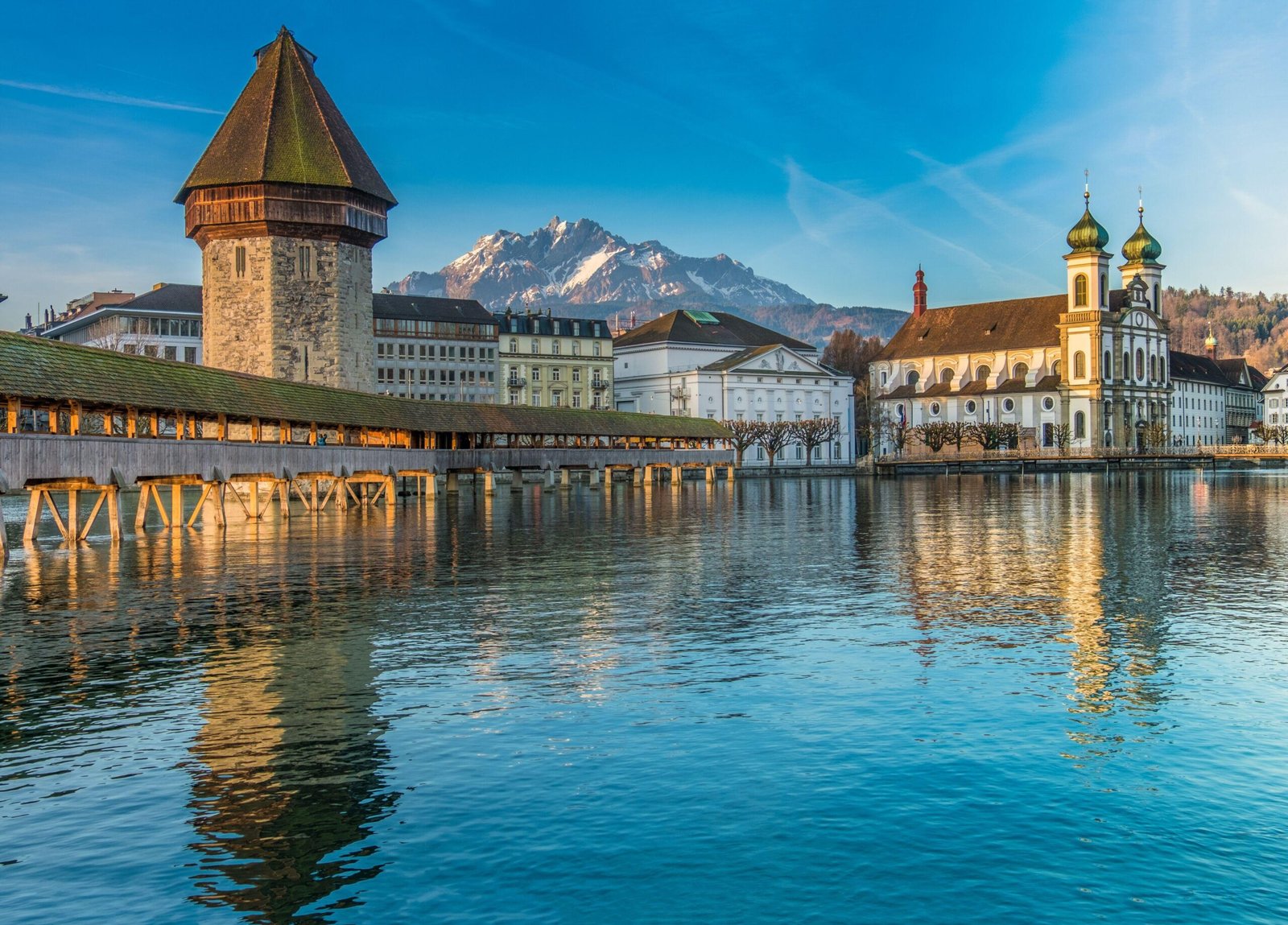
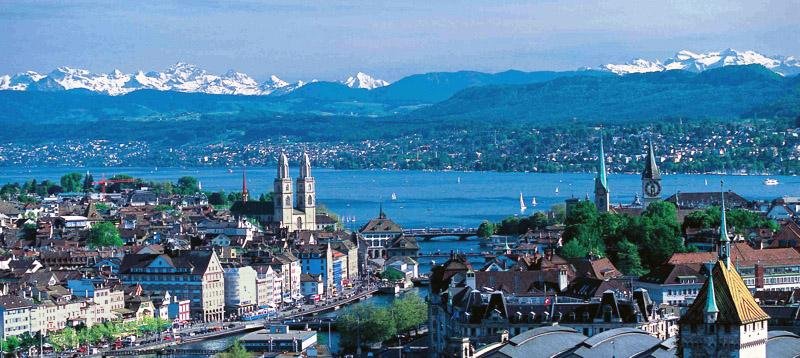
This Switzerland winter tour begins in Zurich, Switzerland’s international gateway and a sophisticated city where historic streets, contemporary culture and lakeside scenery meet. After arrival, the suggested journey continues towards Lucerne, one of Switzerland’s most attractive lakeside cities, where travellers can explore the historic centre and enjoy views towards the surrounding mountains.
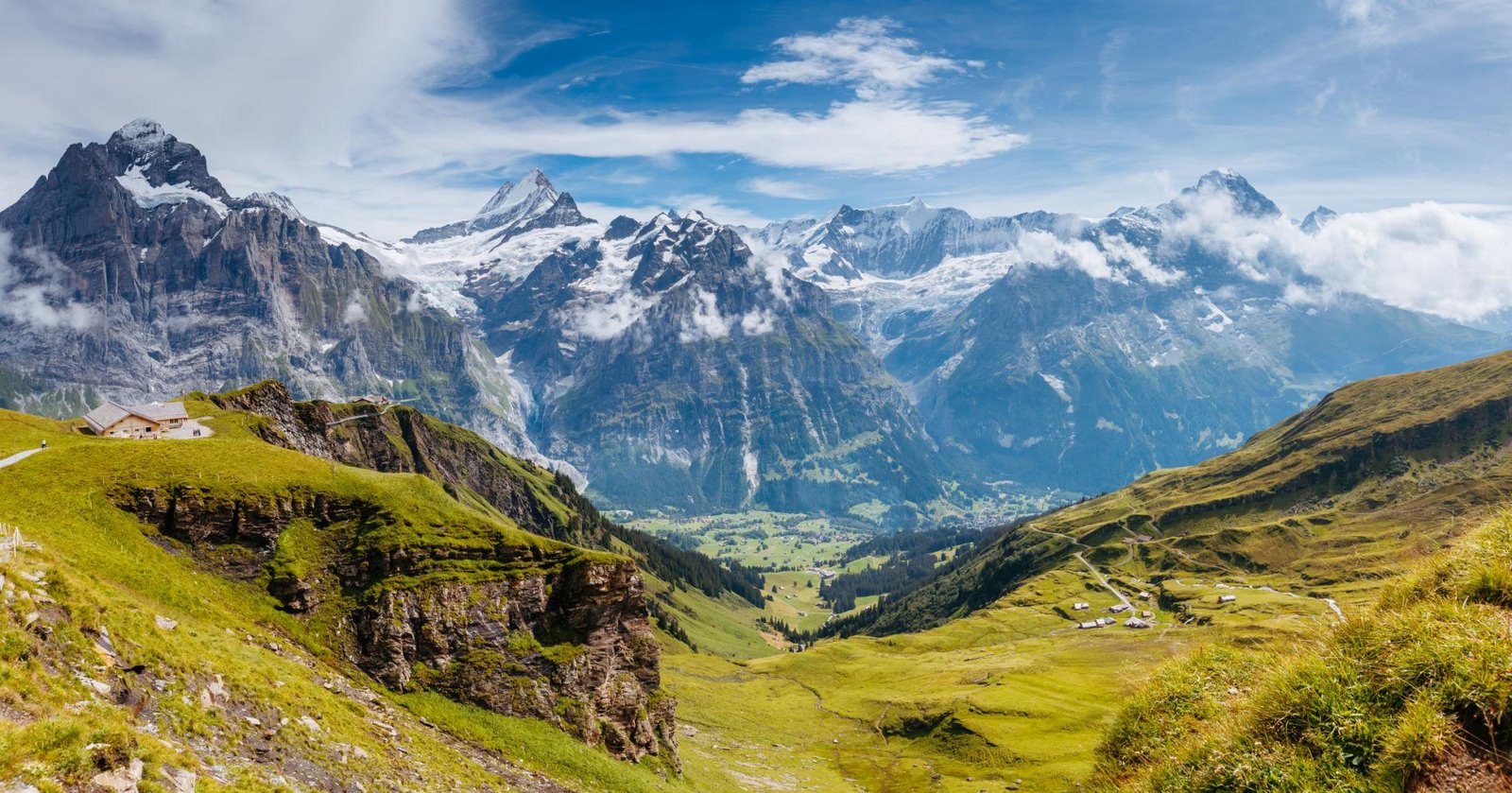
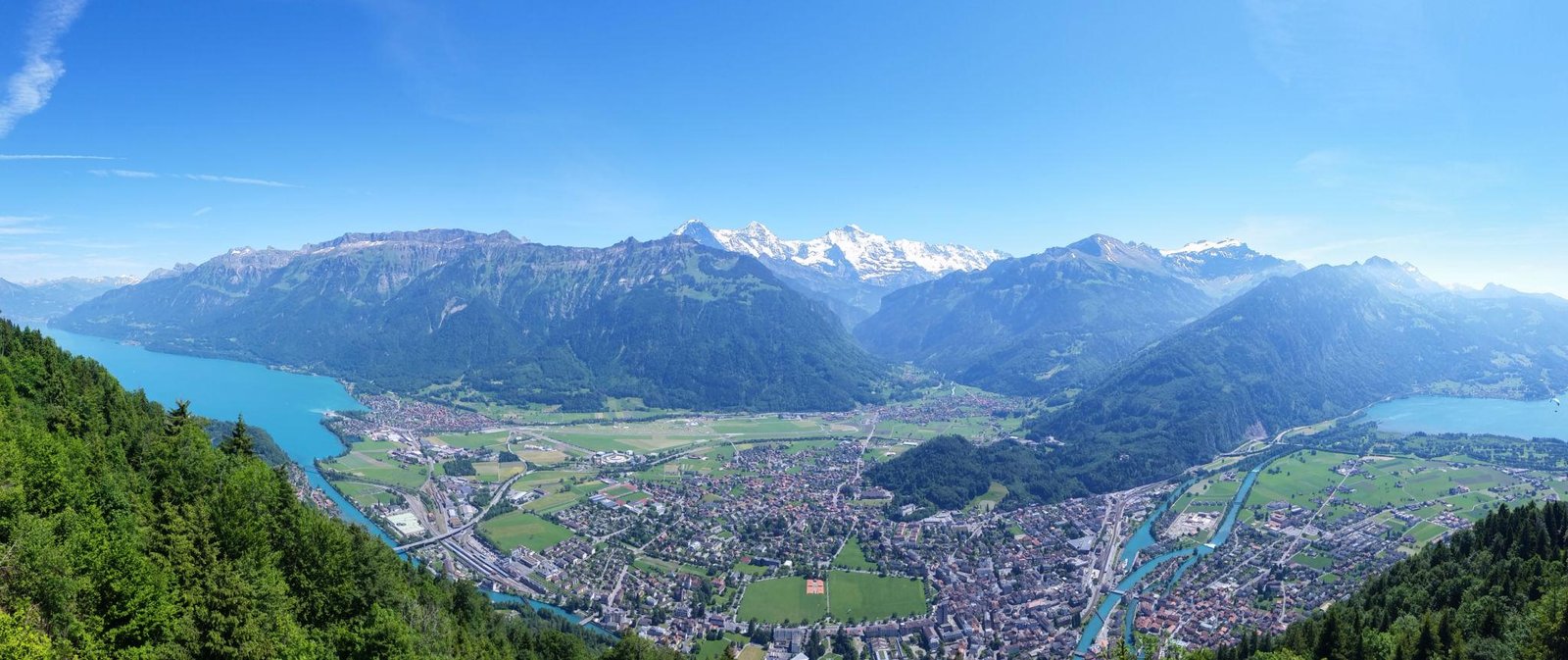
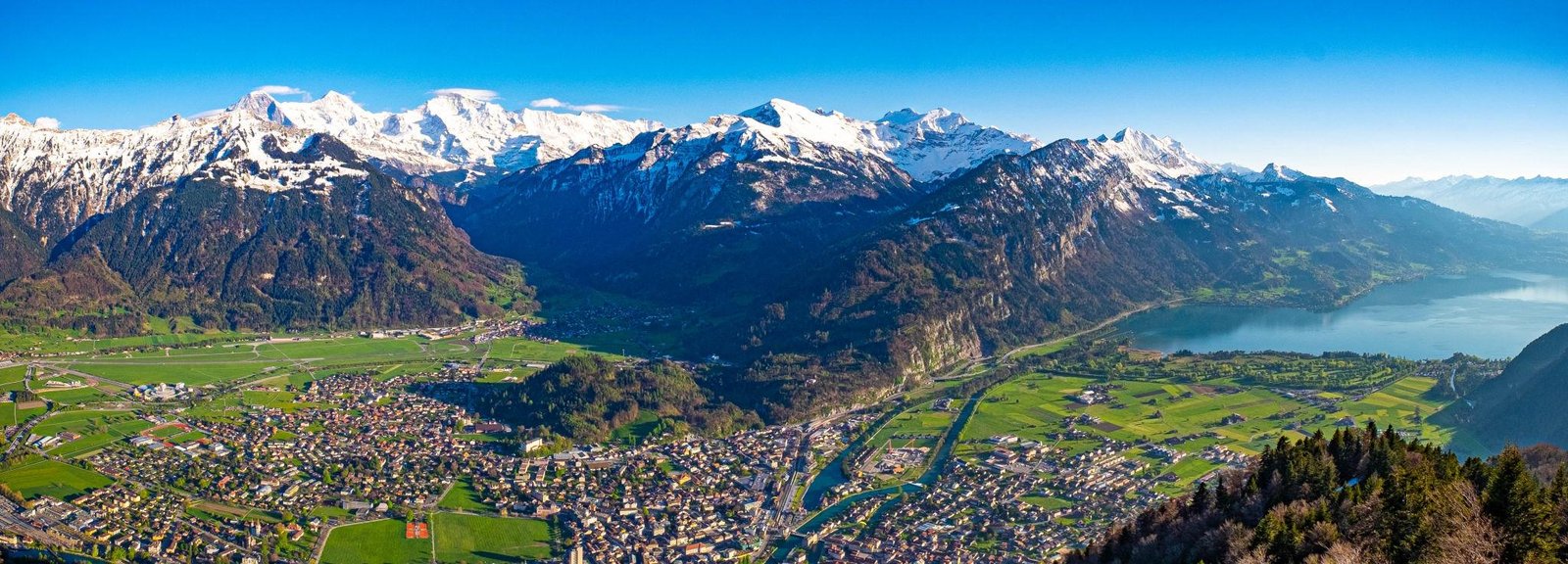
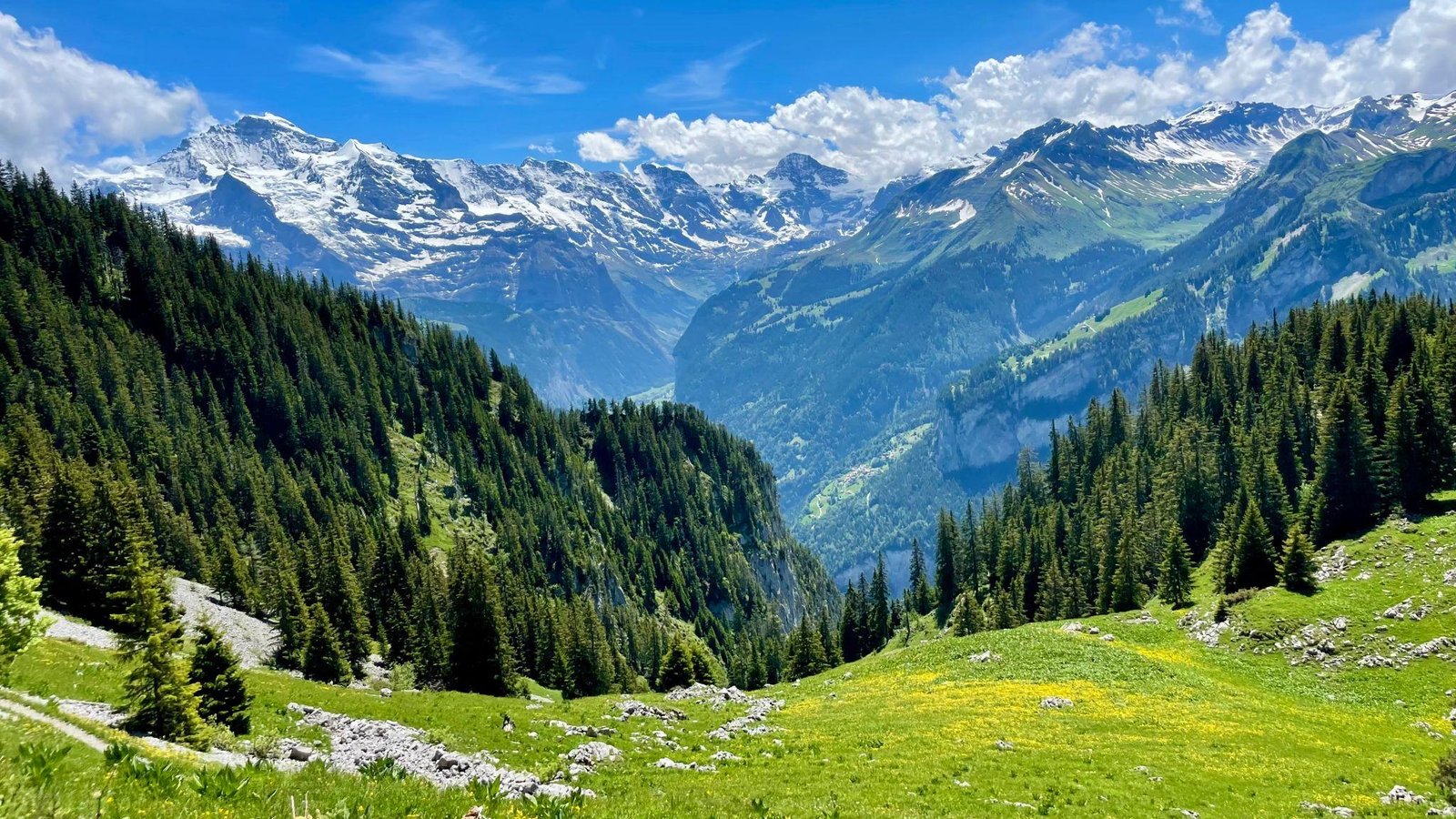
The journey then moves into the Bernese Oberland and the Jungfrau Region, an area renowned for its dramatic Alpine scenery. Interlaken provides an ideal base for exploring the mountains and nearby communities such as Grindelwald and Lauterbrunnen. Depending on the final programme, travellers may have the opportunity to experience a high-mountain excursion, enjoy snow-covered viewpoints or simply take a winter walk through the Alpine landscape. Switzerland Tourism highlights the Jungfrau Region as a major winter destination with snowy peaks and a range of winter experiences.
The final mountain experience takes you towards Zermatt, where the Matterhorn forms one of the defining landscapes of a Swiss winter holiday. The village is surrounded by high Alpine scenery and offers opportunities for mountain excursions, winter walks and snow activities. A visit to Gornergrat or another suitable mountain viewpoint can be considered depending on weather, operating conditions and the final itinerary. Switzerland Tourism identifies Gornergrat as a major mountain excursion with views towards the Matterhorn and surrounding 4,000-metre peaks.
Tour Highlights
- Explore Zurich, Switzerland’s cosmopolitan lakeside gateway.
- Discover the historic streets and lakeside setting of Lucerne.
- Experience the snow-covered landscapes of the Jungfrau Region.
- Spend time in Interlaken, surrounded by lakes and Alpine peaks.
- Discover the mountain villages and winter scenery around Grindelwald and Lauterbrunnen.
- Enjoy a suggested high-mountain excursion in the Jungfrau area, subject to weather and operating conditions.
- Travel towards Zermatt, one of Switzerland’s best-known Alpine destinations.
- Admire views of the Matterhorn and surrounding mountain landscape.
- Experience Swiss winter cuisine, including opportunities to enjoy traditional dishes such as fondue and raclette.
- Combine sightseeing, mountain experiences and leisure in one balanced Switzerland holiday.
Duration: 7 Days 6 Nights
Places You'll See
Tour Itinerary
Optional Add-Ons:
Day 1: Arrival in Zurich & Swiss Welcome
Arrive in Zurich and begin your Switzerland winter holiday. Depending on your arrival time, enjoy a relaxed introduction to the city, with time to explore its historic centre, lakeside surroundings and characteristic streets.
The remainder of the day is kept relatively flexible to allow for international travel and seasonal conditions. Travellers may choose to enjoy a relaxed evening discovering Zurich's restaurants, cafés and city atmosphere.
Suggested experience: Zurich city orientation and leisure time.
Overnight: Zurich or surrounding area.
Day 2 –Zurich – Lucerne – Lake & Old Town
Continue towards Lucerne, a picturesque city set beside Lake Lucerne and surrounded by mountains. On arrival, explore the historic centre and enjoy time around the city's famous waterfront.
A walking experience can include the Old Town, traditional buildings, squares and the area around the lake. Depending on the final programme and weather, additional time can be allocated for a mountain excursion or lakeside experience.
Lucerne is particularly attractive during winter, when the surrounding mountains can provide a striking snowy backdrop to the city's historic architecture.
Suggested experience: Lucerne Old Town and Lake Lucerne area.
Overnight: Lucerne or surrounding area.
Day 3 – Lucerne – Interlaken & Bernese Oberland
Travel onward to Interlaken and enter the Bernese Oberland, one of Switzerland's most scenic mountain regions. The journey itself can form part of the experience, with opportunities to appreciate lakes, valleys and Alpine landscapes.
After arriving in Interlaken, enjoy time to explore the town and its surroundings. Depending on conditions, travellers may choose a gentle winter walk or simply relax while taking in views of the mountains.
Interlaken also provides access to several mountain destinations and serves as a practical base for exploring the Jungfrau Region.
Suggested experience: Interlaken sightseeing and Alpine scenery.
Overnight: Interlaken or surrounding area.
Day 4 – Jungfrau Region Mountain Experience
Dedicate the day to the Jungfrau Region. The suggested programme may include a mountain excursion towards Jungfraujoch, subject to weather, operating schedules and final arrangements.
Alternatively, the day can focus on destinations such as Grindelwald or Lauterbrunnen, offering a more relaxed introduction to the region's winter landscapes. Winter walking, snow activities and scenic mountain viewpoints are among the experiences available in Switzerland during the winter season.
The exact mountain experience can be selected according to traveller interests, mobility, weather and operating conditions.
Suggested experience: Jungfrau Region mountain excursion.
Overnight: Interlaken or surrounding area.
Day 5-Interlaken – Zermatt & Matterhorn Region
Continue towards Zermatt, travelling deeper into Switzerland's Alpine landscape. Zermatt is a car-free mountain resort village and one of the country's most recognisable winter destinations, with the Matterhorn providing its dramatic backdrop.
After arrival, take time to explore the village at a relaxed pace. Wander through its streets, discover local shops and cafés, or enjoy views of the surrounding mountains.
Depending on the final arrangements, an optional mountain excursion can be considered.
Suggested experience: Zermatt village and Matterhorn views.
Overnight: Zermatt or surrounding area.
Day 6 – Zermatt Mountain Experience & Alpine Leisure
Spend a full day enjoying the Zermatt mountain environment. A suggested excursion is the Gornergrat, where the railway provides access to a high-altitude panoramic viewpoint overlooking the Matterhorn and surrounding peaks.
Travellers who prefer a less active day can enjoy winter walks, cafés, local shopping or time at leisure in the village. Depending on the season and conditions, other mountain experiences may also be available.
The day is intentionally flexible so the final programme can be adjusted according to weather and traveller preferences.
Suggested experience: Gornergrat or alternative Zermatt mountain excursion.
Overnight: Zermatt or surrounding area.
Day 7 – Zermatt – Departure
Enjoy a final morning in Zermatt before beginning the onward journey towards your departure point. Depending on flight arrangements, the final routing may be coordinated through Zurich or another suitable Swiss gateway.
Travellers with later departures may have additional time for sightseeing, shopping or a relaxed breakfast before leaving the Alpine region.
Suggested experience: Final Alpine morning and onward departure.
End of tour.
Destinations & Experiences
Zurich
Zurich combines a historic old town with a modern international atmosphere. Its location beside Lake Zurich makes it an appealing starting point for a Swiss holiday, while its excellent transport connections make it practical for connecting with other regions.
Lucerne
Lucerne offers a combination of historic architecture, lakeside scenery and access to nearby mountains. The city is especially attractive for travellers who want to combine cultural sightseeing with Alpine experiences.
Interlaken & Jungfrau Region
Interlaken sits between Lake Thun and Lake Brienz and provides access to the surrounding Bernese Oberland. The wider Jungfrau Region offers some of Switzerland's most impressive mountain scenery and a choice of winter activities and mountain excursions.
Zermatt
Zermatt is one of Switzerland's best-known Alpine destinations. The village's car-free character, mountain setting and views towards the Matterhorn make it a natural highlight for a winter-focused itinerary.
Culture, Food & Local Experiences
A Switzerland holiday is not only about mountains. Winter provides an opportunity to experience the country's distinctive food traditions and slower Alpine lifestyle.
Travellers can look forward to Swiss specialities such as cheese fondue, raclette, rösti and regional pastries, with menus varying between regions. Mountain villages and resort towns also provide cafés and restaurants where visitors can warm up after time outdoors.
Winter markets and seasonal events may be available depending on travel dates. Switzerland Tourism also highlights Christmas markets, winter food experiences, ice skating, snowshoeing and other seasonal activities.
Who This Tour Is For
This Switzerland winter holiday is suitable for:
- Couples looking for a scenic Alpine escape.
- Families interested in accessible winter experiences and mountain scenery.
- First-time visitors wanting a balanced introduction to Switzerland.
- Solo travellers seeking a structured journey through several Swiss regions.
- Cultural travellers interested in Swiss cities, traditions and cuisine.
- Nature lovers attracted to snow-covered landscapes and mountain viewpoints.
- Adventure travellers interested in optional snow and mountain activities.
- Senior travellers who prefer a combination of sightseeing, scenic transport and flexible leisure time.
The pace and activities can be discussed with GlobalLink Suisse when planning the final journey.
Best Time to Visit Switzerland for a Winter Tour
Best Time to Visit Switzerland for a Winter Tour
For travellers specifically seeking snow and mountain experiences, the core winter season is generally the most appropriate time to plan this journey. Conditions vary by altitude and region, so individual activities and mountain transport should always be checked for the selected travel dates.
December can add a festive atmosphere, with Christmas markets and seasonal events in various Swiss cities and towns. January and February are particularly appealing for travellers focused on snowy Alpine landscapes and winter sports. March can provide a mix of winter and early spring conditions, particularly at lower elevations.
Switzerland also offers winter experiences beyond skiing, including snowshoeing, winter hiking, tobogganing and scenic mountain excursions.
Travel Information
Passport & Visa
Travellers should carry a valid passport or recognised travel document meeting the applicable Swiss entry requirements.
Visa requirements depend on nationality, residence status and the nature and duration of the visit. Switzerland participates in the Schengen area, and short tourism stays may require a Schengen visa depending on nationality. Travellers should check current requirements with the relevant Swiss authorities before booking or travelling.
Currency
The official currency is the Swiss franc (CHF). Major cards are widely useful, although carrying some local currency can be convenient for smaller purchases.
Language
Switzerland has four national languages: German, French, Italian and Romansh. English is commonly encountered in major tourist destinations, although the local language varies by region.
Local Transportation
Switzerland has an extensive public transportation network, including trains, buses, boats and mountain railways. Scenic rail travel can be an important part of the overall experience, particularly when travelling between cities and Alpine destinations.
Weather
Winter temperatures can be cold, particularly in mountain areas. Conditions can change quickly at higher elevations, so travellers should be prepared for snow, wind and variable mountain weather.
What to Pack
Recommended winter essentials include:
- Warm waterproof jacket.
- Thermal layers.
- Comfortable waterproof walking shoes or winter boots.
- Warm socks and gloves.
- Hat and scarf.
- Sunglasses and sunscreen for high-altitude conditions.
- Small daypack.
- Personal medications and essential travel documents.
Electricity
Switzerland uses 230V electricity and Swiss-style electrical sockets. Travellers should bring an appropriate adapter if their devices use a different plug type.
Travel Insurance
Comprehensive travel insurance is strongly recommended, particularly for international travel and winter activities. Travellers taking part in skiing or other adventure activities should check that their policy provides appropriate coverage.
Frequently Asked Questions
What is a Switzerland winter tour?
A Switzerland winter tour combines Swiss cities, Alpine destinations and seasonal experiences during the colder months. This suggested seven-day itinerary combines Zurich, Lucerne, Interlaken, the Jungfrau Region and Zermatt.
How many days do you need for a Switzerland winter holiday?
Seven days provides enough time to combine several major destinations without attempting to cover the whole country. This itinerary focuses on a practical combination of cities and Alpine regions.
What can I do on a Switzerland winter tour?
Depending on the final itinerary and conditions, travellers can enjoy mountain excursions, winter walks, snow activities, sightseeing, scenic rail travel and traditional Swiss food experiences.
Is Switzerland suitable for first-time visitors in winter?
Yes. Switzerland offers a combination of well-connected cities, mountain destinations and a broad range of winter experiences. Travellers can choose between active activities and more relaxed sightseeing.
Why Travel with GlobalLink Suisse?
GlobalLink Suisse provides international travel planning with a focus on creating journeys around the traveller's destination interests, schedule and preferred travel style. For a Switzerland holiday, this means bringing together city sightseeing, Alpine experiences and practical travel planning into one coherent itinerary.
The team can help travellers discuss the details that matter before departure, including travel dates, duration, accommodation preferences, group requirements and activities. Rather than treating every traveller the same, the final programme can be developed around the type of Swiss experience the traveller wants.
For travellers planning international travel from Switzerland or looking to explore Switzerland as an inbound destination, GlobalLink Suisse can help turn the initial travel idea into a structured holiday plan.
Customize Your Journey
Your seven-day Switzerland itinerary can be discussed and adjusted according to your travel priorities.
When enquiring with GlobalLink Suisse, you can discuss:
- Preferred travel dates.
- Number of travellers.
- Trip duration.
- Accommodation preferences.
- Mountain excursions.
- Winter activities.
- City sightseeing.
- Additional destinations.
- Dietary or other special requirements.
- Preferred pace of travel.
The final itinerary, inclusions and arrangements will be confirmed according to your selected travel programme.
Ready to Explore Switzerland in Winter?
A Swiss winter holiday offers the opportunity to combine sophisticated cities with snow-covered Alpine landscapes, mountain viewpoints and distinctive local experiences.
Contact GlobalLink Suisse to discuss your preferred travel dates, group size, accommodation preferences and experiences, and begin planning your Switzerland winter tour.
GlobalLink Suisse
Inbound & Outbound Swiss Tourism
Website: https://globalinksuisse.com/
Package Inclusions
As the exact package configuration has not been specified, final inclusions should be confirmed when the itinerary is prepared.
Potential inclusions may be arranged according to the selected package and can include:
- Accommodation according to the selected category.
- Airport or station transfers where arranged.
- Intercity transportation where included in the final itinerary.
- Sightseeing and excursions specified in the confirmed programme.
- Mountain excursions selected as part of the final package.
- Meals specifically stated in the confirmed itinerary.
- Guide or local assistance where arranged.
Final inclusions are confirmed based on the selected package and itinerary.
Package Exclusions
Unless specifically included in the final package, travellers should generally budget separately for:
- International flights.
- Travel insurance.
- Visa fees, where applicable.
- Personal expenses and shopping.
- Optional excursions and activities.
- Meals not specified in the confirmed itinerary.
- Additional transportation not included in the package.
- Any services not specifically stated in the final travel proposal.