
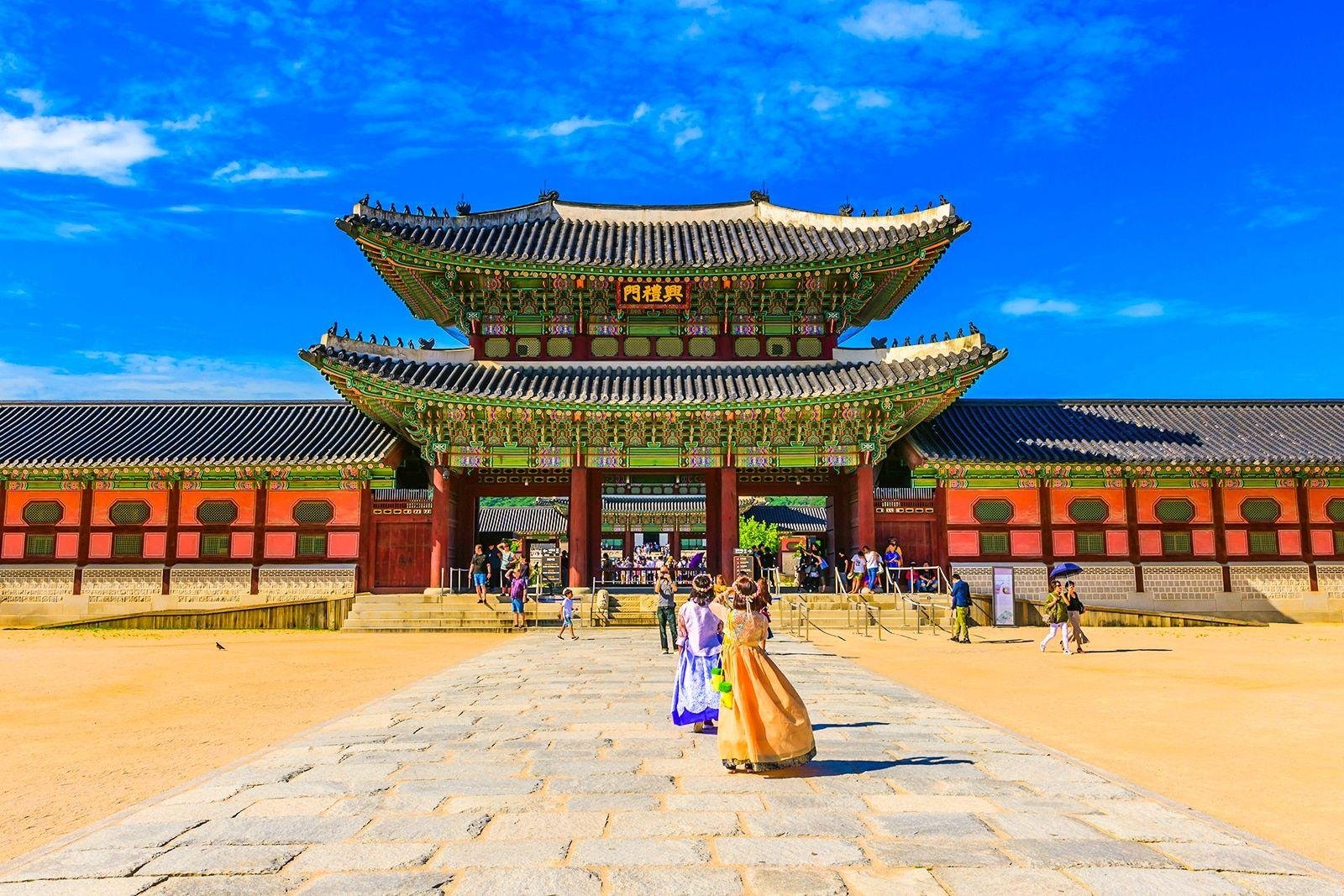
South Korea is one of Asia’s most exciting culinary destinations, offering a remarkable combination of traditional dishes, vibrant street food markets, regional specialities and modern dining experiences. From sizzling Korean barbecue in Seoul to fresh seafood in Busan and traditional bibimbap in Jeonju, Korean cuisine provides an unforgettable journey through the country’s culture and history.
Food plays an important role in everyday Korean life. Meals often bring families and friends together, while traditional recipes reflect generations of culinary knowledge and regional customs.
Visitors can explore bustling markets, sample authentic Korean dishes, participate in cooking classes and discover unique dining traditions.
Whether you are a passionate food lover or a first-time visitor interested in Korean culture, this South Korea food travel guide explores the best cities, famous dishes and culinary experiences to enjoy during your holiday with GlobalLink Suisse.
Why South Korea Is a Great Destination for Food Lovers
South Korean cuisine is famous for its bold flavours, fermented ingredients, colourful presentation and variety of dishes.
Many traditional meals combine rice, vegetables, meat or seafood with small side dishes known as banchan.
Fermented foods such as kimchi and traditional sauces are essential elements of Korean cooking.
One of the most exciting aspects of food travel in South Korea is discovering how cuisine varies between regions.
Seoul offers everything from traditional restaurants to contemporary Korean dining. Busan is famous for seafood, Jeonju celebrates traditional Korean cuisine, and Jeju Island offers distinctive local specialities.
The country also provides culinary experiences for different budgets, from affordable market stalls to premium restaurants.
Best Cities for Food Experiences in South Korea
1. Seoul: Street Food, Korean BBQ and Modern Cuisine
Seoul is an excellent starting point for exploring Korean food culture.
The capital offers an extraordinary variety of restaurants, traditional markets, cafés and contemporary dining establishments.
Gwangjang Market is one of Seoul’s most famous food destinations. Visitors can sample traditional dishes such as bindaetteok, a savoury mung bean pancake, and mayak gimbap, small rice rolls.
Myeongdong is another popular destination for Korean street food, particularly during the evening.
Travellers can enjoy tteokbokki, hotteok, grilled snacks and Korean-style fried chicken.
Seoul is also famous for Korean barbecue restaurants, where guests grill meat at their tables.
For a more refined experience, the city offers contemporary Korean restaurants and traditional multi-course dining.
2. Busan: Fresh Seafood and Coastal Cuisine
Busan is South Korea’s second-largest city and one of its leading seafood destinations.
Located along the southeastern coast, Busan offers a distinctive culinary experience influenced by its maritime culture.
Jagalchi Market is one of the city’s best-known seafood markets.
Visitors can explore seafood stalls and discover fresh fish, shellfish and other marine specialities.
Another popular dish is dwaeji gukbap, a comforting pork and rice soup associated with Busan.
The city is also known for milmyeon, a cold wheat noodle dish particularly enjoyable during warmer months.
Busan combines delicious food with beautiful beaches, coastal attractions and lively markets.
3. Jeonju: Traditional Korean Cuisine and Bibimbap
Jeonju is widely recognised as one of South Korea’s most important traditional food destinations.
The city is especially famous for Jeonju bibimbap, a colourful rice dish featuring vegetables, seasoned ingredients and various toppings.
Visitors can explore traditional restaurants and discover dishes prepared using regional ingredients.
Jeonju Hanok Village provides an attractive setting for cultural and culinary experiences.
The village features traditional Korean architecture, restaurants, cafés and speciality food shops.
Travellers can also explore Korean traditional sweets and local street food.
Jeonju is particularly suitable for visitors interested in authentic Korean cuisine and cultural heritage.
4. Jeju Island: Seafood and Unique Island Specialities
Jeju Island offers distinctive culinary traditions influenced by its volcanic landscape and coastal environment.
One of the island’s most famous specialities is Jeju black pork, commonly enjoyed grilled at Korean barbecue restaurants.
Fresh seafood is another important part of Jeju’s food culture.
Visitors can discover abalone dishes, seafood soups and grilled fish.
Jeju is also famous for its citrus fruits, including hallabong and other locally grown varieties.
Dongmun Traditional Market in Jeju City provides opportunities to sample regional snacks and discover local ingredients.
Combining culinary experiences with beaches and natural attractions makes Jeju an excellent destination for food-focused holidays.
5. Gyeongju: Traditional Flavours and Cultural Heritage
Gyeongju is famous for its historic attractions and traditional Korean culture.
The city also offers distinctive regional food experiences.
One of its best-known specialities is Hwangnam-ppang, a traditional pastry filled with sweet red bean paste.
Visitors can discover local restaurants, traditional tea houses and regional dishes while exploring the city’s historical landmarks.
Gyeongju is particularly attractive for travellers who want to combine cultural sightseeing with Korean culinary discovery.
Famous Korean Foods Every Traveller Should Try
Korean Barbecue
Korean barbecue is one of South Korea’s most popular dining experiences.
Guests grill meat, such as beef or pork, at their tables and enjoy it with vegetables, sauces and side dishes.
Popular options include bulgogi, marinated beef, and samgyeopsal, grilled pork belly.
Bibimbap
Bibimbap is a traditional Korean rice dish served with vegetables, seasoned ingredients and often egg or meat.
The ingredients are mixed together before eating, commonly with gochujang, a Korean chilli paste.
Jeonju is particularly famous for its regional version.
Kimchi
Kimchi is one of Korea’s most recognisable traditional foods.
It is typically prepared by fermenting seasoned vegetables, especially napa cabbage or radish.
Kimchi is served alongside many Korean meals and forms an important part of the country’s culinary heritage.
Tteokbokki
Tteokbokki is a popular Korean street food made with chewy rice cakes, often served in a spicy sauce.
It is widely available in traditional markets and street food districts.
Korean Fried Chicken
Korean fried chicken is famous for its crispy texture and flavourful sauces.
Popular varieties include sweet and spicy glazed chicken and soy garlic chicken.
Japchae
Japchae is a Korean noodle dish prepared with sweet potato glass noodles, vegetables and savoury seasonings.
It is commonly served during celebrations and family gatherings.
Hotteok
Hotteok is a popular Korean sweet pancake, often filled with brown sugar, cinnamon and nuts or seeds.
It is particularly enjoyable during cooler weather.
Best Culinary Experiences in South Korea
Explore Traditional Food Markets
Traditional markets provide an excellent introduction to Korean food culture.
Popular destinations include Gwangjang Market in Seoul, Jagalchi Market in Busan and Dongmun Traditional Market on Jeju Island.
Visitors can discover local ingredients, traditional snacks and regional specialities.
Join a Korean Cooking Class
Cooking classes offer opportunities to learn how traditional Korean dishes are prepared.
Popular experiences include kimchi making, bibimbap preparation and Korean home-style cooking.
These activities are suitable for couples, families and travellers interested in cultural learning.
Experience Korean Traditional Dining
Traditional Korean dining often involves several shared dishes served together.
Visitors can enjoy rice, soups, vegetables, fermented foods and carefully prepared regional specialities.
Some restaurants offer elaborate multi-course meals inspired by traditional Korean culinary practices.
Discover Korean Café Culture
South Korea has a vibrant café culture, particularly in Seoul and Busan.
Visitors can explore speciality coffee shops, themed cafés and bakeries offering creative desserts.
Neighbourhoods such as Seongsu-dong and Hongdae in Seoul are popular for contemporary café experiences.
Best Time to Visit South Korea for Food Travel
South Korea offers memorable culinary experiences throughout the year.
Spring is popular for seasonal vegetables, fresh produce and outdoor market visits.
Summer offers refreshing dishes such as naengmyeon, a Korean cold noodle speciality.
Autumn is associated with harvest ingredients, seasonal fruits and traditional celebrations.
Winter is an excellent time to enjoy warming soups, stews, hotpot dishes and freshly prepared street food.
Food-focused travellers can therefore visit South Korea during any season.
Suggested 7-Day South Korea Food Travel Itinerary
Day 1: Arrival in Seoul
Arrive in Seoul and explore local restaurants.
Enjoy your first Korean barbecue experience.
Day 2: Seoul Street Food Discovery
Visit Gwangjang Market and sample traditional Korean snacks.
Explore Myeongdong’s street food stalls in the evening.
Day 3: Korean Cooking Experience
Participate in a Korean cooking class.
Discover traditional ingredients and explore Seoul’s café culture.
Day 4: Seoul to Jeonju
Travel to Jeonju and explore Jeonju Hanok Village.
Enjoy authentic Jeonju bibimbap and regional specialities.
Day 5: Jeonju to Busan
Continue to Busan and explore local dining districts.
Sample dwaeji gukbap or another regional speciality.
Day 6: Busan Seafood Experience
Visit Jagalchi Market and discover Busan’s seafood culture.
Enjoy coastal sightseeing and local restaurants.
Day 7: Departure
Enjoy a final Korean meal before continuing to your departure destination.
This itinerary can be customised according to your culinary interests, travel schedule and preferred destinations.
Practical Tips for Food Travel in South Korea
-
Explore traditional markets to discover authentic regional dishes.
-
Try local specialities rather than ordering familiar meals everywhere.
-
Carry some cash for smaller food stalls.
-
Check ingredients carefully if you have food allergies.
-
Respect Korean dining customs and shared-meal etiquette.
-
Consider guided food tours when exploring unfamiliar markets.
-
Reserve popular restaurants during busy travel periods.
-
Learn basic Korean food vocabulary to make ordering easier.
Frequently Asked Questions About South Korean Food Travel
1. What food is South Korea most famous for?
South Korea is famous for kimchi, Korean barbecue, bibimbap, tteokbokki, bulgogi and Korean fried chicken.
2. Which city in South Korea has the best food?
Seoul offers exceptional variety, Busan is famous for seafood, and Jeonju is particularly celebrated for traditional Korean cuisine.
3. Is Korean street food worth trying?
Yes. Korean street food offers delicious, affordable opportunities to experience local flavours and food traditions.
4. What is the best place to experience Korean barbecue?
Seoul and Busan offer numerous Korean barbecue restaurants, ranging from casual establishments to premium dining experiences.
5. Can vegetarians enjoy Korean cuisine?
Yes. Vegetarian options are available, but travellers should confirm ingredients because some dishes contain seafood-based stocks, fish sauce or meat products.
6. How many days are enough for a South Korea food holiday?
Seven to ten days provide a good opportunity to explore several culinary destinations and experience different regional specialities.
Plan Your South Korea Culinary Holiday with GlobalLink Suisse
South Korea offers an unforgettable culinary journey filled with delicious traditional dishes, vibrant food markets, regional specialities and memorable cultural experiences.
Whether you want to discover Seoul’s street food, enjoy Busan’s fresh seafood, experience Jeonju’s famous bibimbap or explore Jeju Island’s distinctive cuisine, South Korea provides exceptional opportunities for food lovers.
GlobalLink Suisse helps international travellers discover South Korea through personalised travel planning and carefully selected destinations.
Explore our South Korea tours and let us help you plan a memorable culinary journey tailored to your interests and travel preferences.