
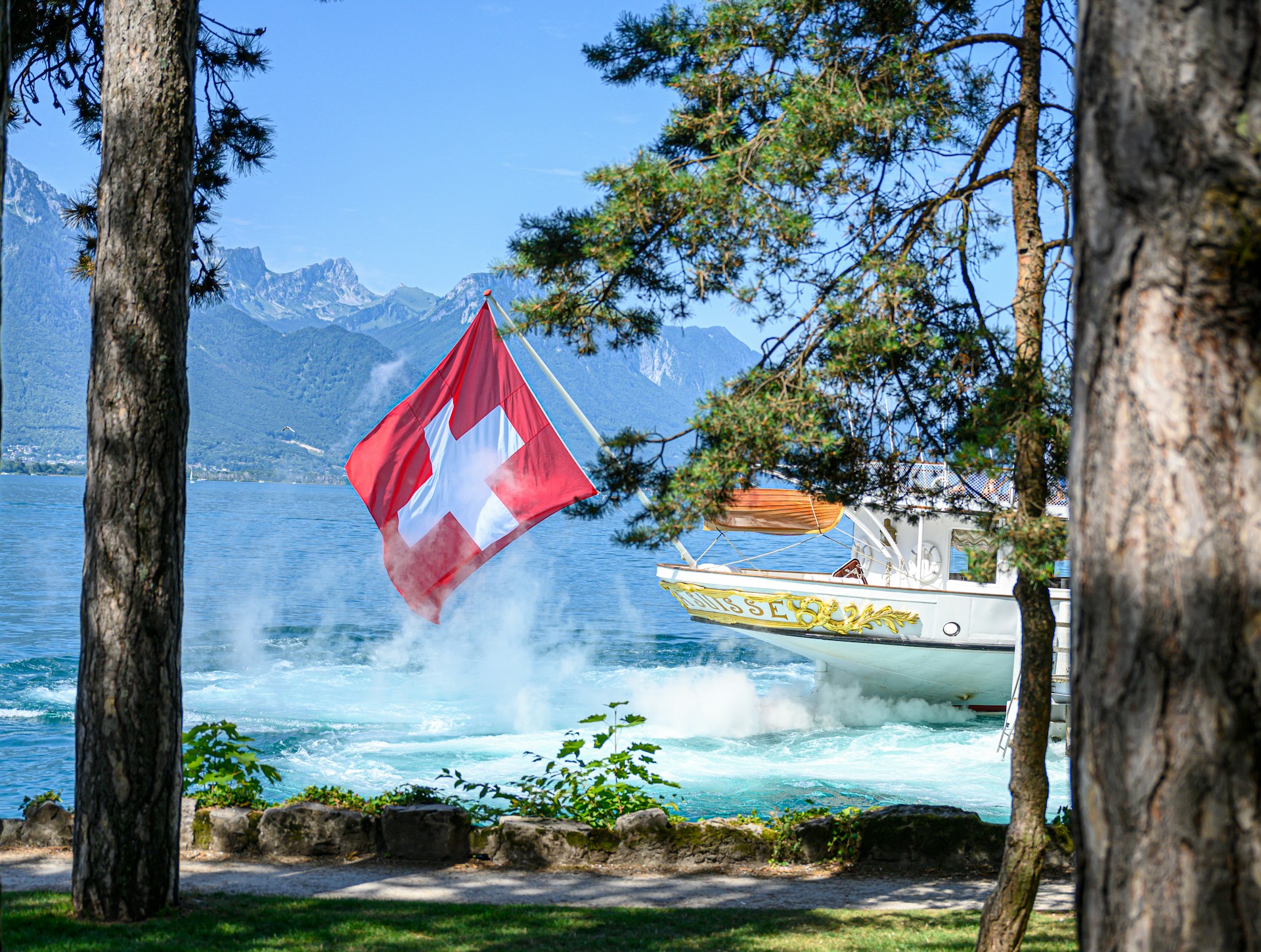
Switzerland is one of Europe’s most attractive destinations for international students, offering excellent educational opportunities, multicultural cities, beautiful landscapes and an exceptional quality of life.
From the vibrant streets of Zurich and Geneva to the picturesque university cities of Lausanne, Bern and Basel, Switzerland provides a unique environment where students can combine academic development with cultural exploration and unforgettable travel experiences.
Studying in Switzerland is about more than attending lectures and completing assignments. International students have opportunities to discover new cultures, build global friendships, learn additional languages and explore some of Europe’s most spectacular natural attractions.
However, adjusting to student life in a new country requires preparation. Understanding accommodation options, living expenses, transportation, university culture and everyday expectations can help international students settle comfortably.
This guide explores what to expect from student life in Switzerland and how to make the most of your educational journey with GlobalLink Suisse.
Why Switzerland Is an Attractive Destination for International Students
Switzerland is internationally recognised for its academic institutions, research opportunities and high standard of living.
The country attracts students from different parts of the world, creating diverse university communities.
Some of the main advantages of studying in Switzerland include:
-
High-quality education: Access to respected universities and research institutions.
-
Multicultural environment: Opportunities to interact with students from different nationalities.
-
Beautiful surroundings: Easy access to lakes, mountains and historic European cities.
-
Efficient transportation: Extensive train, tram and bus networks.
-
Language opportunities: Exposure to German, French, Italian and English.
-
International connections: Opportunities to develop academic and professional networks.
For students seeking both educational achievement and international experience, Switzerland offers a rewarding environment.
Best Swiss Cities for International Students
1. Zurich: A Vibrant International Student City
Zurich is Switzerland’s largest city and an important centre for education, technology, finance and innovation.
It is home to ETH Zurich and the University of Zurich, attracting students from around the world.
Student life in Zurich combines academic opportunities with cultural attractions, restaurants, museums and beautiful lakeside scenery.
During weekends, students can explore Lake Zurich, visit nearby towns or enjoy outdoor activities.
Although Zurich is among Switzerland’s more expensive cities, it offers an active international student environment.
2. Geneva: International Culture and Global Connections
Geneva is particularly attractive for students interested in international relations, law, diplomacy and global affairs.
The city is home to the University of Geneva and numerous international organisations.
Its multicultural environment provides opportunities to interact with people from different backgrounds.
Students can explore Lake Geneva, discover historic neighbourhoods and enjoy cultural events throughout the year.
Geneva also provides convenient access to destinations in western Switzerland and neighbouring France.
3. Lausanne: University Life Beside Lake Geneva
Lausanne is a beautiful French-speaking city located on the northern shore of Lake Geneva.
It is home to the University of Lausanne and EPFL, two important Swiss educational institutions.
The city combines academic life with scenic waterfront areas, cultural attractions and outdoor recreation.
Students can enjoy lakeside walks, sporting activities and excursions to nearby Alpine destinations.
Lausanne is particularly appealing to students seeking a balance between university life and natural beauty.
4. Bern: Historic Charm and a Relaxed Atmosphere
Bern, Switzerland’s capital, offers a distinctive student experience.
The city is known for its beautiful medieval Old Town, traditional architecture and peaceful atmosphere.
The University of Bern attracts students across a wide range of academic disciplines.
Students can explore historic streets, visit museums and enjoy riverside recreation during warmer months.
Bern is particularly attractive for those who prefer a smaller and more relaxed city environment.
5. Basel: Culture, Research and International Opportunities
Basel is located near the borders of France and Germany.
It is home to the University of Basel and is an important centre for life sciences, pharmaceutical research and cultural activities.
The city offers museums, historic architecture and an active arts scene.
Its international location also makes it convenient for students interested in exploring neighbouring European countries.
Accommodation Options for International Students
Finding suitable accommodation is one of the most important steps when preparing to study in Switzerland.
Housing demand can be high, particularly in major university cities.
Student Residences
Some universities and student housing organisations provide accommodation for enrolled students.
These residences may offer furnished rooms, shared facilities and convenient access to campus.
Availability is often limited, so students should begin their search early.
Shared Apartments
Shared accommodation is a popular option among university students.
Renting a room in a shared apartment can reduce expenses while providing opportunities to meet other students.
Private Apartments
Students seeking additional privacy may prefer independent accommodation.
However, private apartments can be expensive, particularly in Zurich and Geneva.
Before signing a rental agreement, students should carefully review the monthly rent, deposit requirements, utilities and contract conditions.
Understanding the Cost of Student Life in Switzerland
Switzerland is known for its relatively high living expenses.
International students should prepare a realistic budget covering accommodation, food, transportation, health insurance and personal expenses.
Housing is often the largest monthly expense.
Students can manage their budgets by preparing meals at home, using university dining facilities and taking advantage of available student discounts.
Shopping at supermarkets, sharing accommodation and planning transportation carefully can also help reduce costs.
Actual expenses depend on the city, lifestyle and accommodation arrangements.
As a general planning guide, students may need approximately CHF 1,900–3,100 per month, although individual budgets vary considerably by city and lifestyle.
Transportation and Getting Around Switzerland
Switzerland has an extensive public transportation network connecting major cities, university campuses and popular tourist destinations.
Students can travel using trains, trams, buses and boats.
Trains
Swiss trains provide convenient connections between cities such as Zurich, Geneva, Lausanne, Bern and Basel.
Rail travel also makes it possible to explore Alpine destinations during weekends and university holidays.
Trams and Buses
Major cities offer efficient local transportation networks, making it convenient to travel between accommodation, university campuses and shopping areas.
Student Travel Discounts
Students should investigate regional transport passes, youth discounts and rail discount cards.
The best option depends on age, travel frequency and location.
Part-Time Work Opportunities for International Students
Some international students choose to work part-time to gain experience and supplement their living expenses.
Employment opportunities may include university assistant positions, hospitality, retail and other suitable roles.
However, international students must understand the applicable employment regulations.
For many students, work during the academic semester is limited to 15 hours per week. Non-EU/EFTA students generally face an initial six-month waiting period and require appropriate employment authorisation, although specific exceptions may apply.
Students should confirm their eligibility with the university and relevant cantonal authorities before accepting employment.
Part-time work should complement academic responsibilities rather than interfere with studies.
Healthcare and Student Insurance
Healthcare is an important consideration for international students living in Switzerland.
Health insurance is generally compulsory, although students with qualifying equivalent coverage may be eligible for an exemption.
Requirements depend on nationality, existing insurance arrangements and individual circumstances.
Students should investigate insurance arrangements before arrival and confirm applicable procedures with their university and cantonal authorities.
It is also advisable to become familiar with nearby healthcare facilities and emergency services.
University Culture and Making Friends
Swiss universities provide opportunities for students to participate in academic, social and cultural activities.
Student associations, sports clubs, university events and international student groups can help newcomers build friendships.
Many universities organise orientation programmes to introduce new students to campus facilities, academic expectations and everyday life.
Participating in these activities can make adjusting to a new environment easier.
Learning basic phrases in the local language can also improve everyday communication and help students connect with local communities.
Exploring Switzerland During University Breaks
One of the greatest advantages of studying in Switzerland is the opportunity to explore extraordinary destinations outside the classroom.
Interlaken and the Jungfrau Region
Interlaken is a popular gateway to the Swiss Alps.
Students can explore beautiful mountain scenery, visit nearby villages and enjoy outdoor activities.
Lucerne
Lucerne is famous for its picturesque lake, historic architecture and surrounding mountains.
Popular attractions include Chapel Bridge and excursions to Mount Pilatus or Mount Rigi.
Montreux and Lake Geneva
Montreux offers beautiful lakeside scenery and access to attractions such as Chillon Castle.
It is an excellent destination for students studying in Geneva or Lausanne.
Zermatt and the Matterhorn
Zermatt is one of Switzerland’s most famous Alpine destinations.
The village offers spectacular mountain scenery, hiking opportunities and winter sports.
Students should plan these excursions according to their budgets, academic schedules and seasonal conditions.
Adjusting to Swiss Culture and Everyday Life
International students may notice differences between Switzerland and their home countries.
Punctuality is highly valued, particularly in academic and professional environments.
Public transportation generally follows published schedules, and students are expected to manage appointments responsibly.
Waste separation and recycling are common parts of everyday life.
Quiet hours and residential building rules should also be respected.
Understanding local customs helps international students adapt comfortably and build positive relationships.
Practical Tips for International Students in Switzerland
-
Begin searching for accommodation before arriving.
-
Prepare a realistic monthly budget.
-
Attend university orientation activities.
-
Learn basic phrases in the local language.
-
Investigate student discounts and transportation passes.
-
Understand health insurance and residence requirements.
-
Join student associations and international communities.
-
Explore Switzerland during weekends and academic holidays.
Frequently Asked Questions About Student Life in Switzerland
1. Is Switzerland a good country for international students?
Yes. Switzerland offers respected universities, multicultural environments, research opportunities and an excellent quality of life.
2. Is student life in Switzerland expensive?
Living expenses can be high, particularly in Zurich and Geneva. Careful budgeting and shared accommodation can help students manage costs.
3. Can international students work while studying?
Eligible students may work part-time, subject to nationality, permit conditions and employment regulations.
4. Which Swiss city is best for international students?
Zurich, Geneva, Lausanne, Bern and Basel all offer attractive academic environments. The best choice depends on the university, programme, language and preferred lifestyle.
5. Is it easy to travel around Switzerland as a student?
Switzerland’s extensive public transportation network makes travel between major cities and tourist destinations convenient.
6. Can students explore the Swiss Alps during university holidays?
Yes. Many Alpine destinations are accessible by public transportation, making weekend excursions and holiday trips possible.
Discover Student Life and Travel Experiences in Switzerland with GlobalLink Suisse
Student life in Switzerland offers an extraordinary combination of academic opportunities, cultural diversity, beautiful cities and unforgettable travel experiences.
Whether you are studying in Zurich, Geneva, Lausanne, Bern or Basel, Switzerland provides opportunities to discover new cultures, build international friendships and explore spectacular natural landscapes.
From the beautiful shores of Lake Geneva to the majestic Swiss Alps, every university break can become an opportunity for adventure and discovery.
GlobalLink Suisse helps international travellers explore Switzerland through personalised travel planning and carefully selected destinations and experiences.
Let us help you discover the best of Switzerland and create memorable travel experiences alongside your educational journey.